
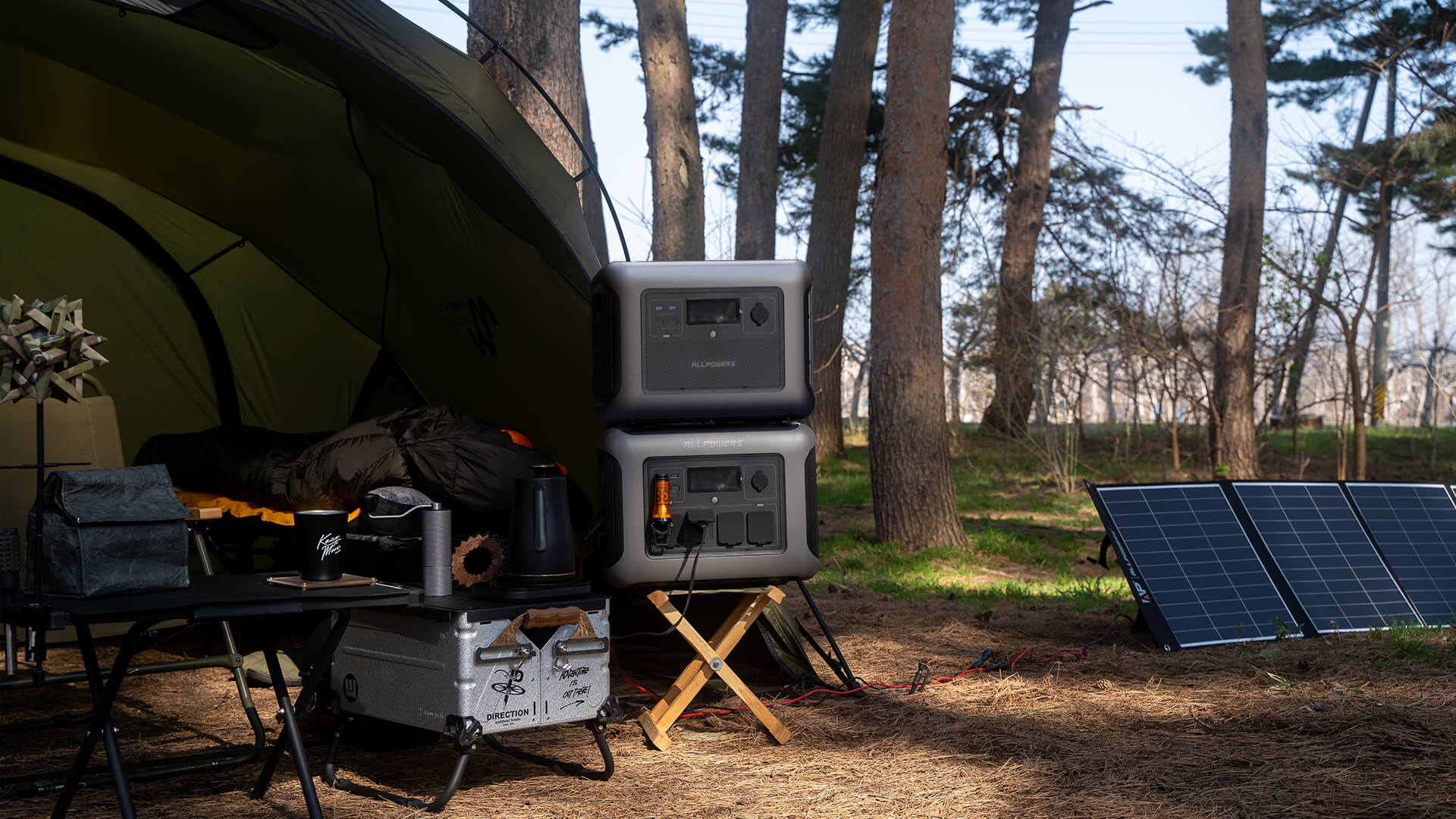
For enthusiasts who enjoy camping in the wild. A camping solar power station provides a clean, quiet, and portable way to supply power far from the grid, whether at a remote campsite, an RV stopover, or an outdoor event. Unlike fuel generators, these systems deliver stable electricity without exhaust fumes, vibration, or complex maintenance. From basic lighting to power-hungry appliances, a camping power solution can support far more devices than many users expect.
At its core, a camping solar power station combines a lithium battery, an inverter, a charge controller, and multiple output ports into one integrated unit. When paired with solar panels or vehicle charging, it becomes a flexible energy source that adapts to different outdoor scenarios.
Camping Solar Power Station and Essential Personal Electronics
A camping solar power station is ideally suited for powering everyday personal electronics, which form the foundation of modern outdoor life. Smartphones, tablets, GPS devices, cameras, and wireless earbuds all require relatively low wattage but frequent recharging. These devices typically draw between 5 and 30 watts, allowing even compact power stations to recharge them dozens of times on a single battery cycle.
Especially laptops, which are increasingly used for remote work, photo editing, and trip planning. Most laptops consume between 45 and 100 watts during active use. A mid-capacity power station can run a laptop for several hours while still reserving energy for other essentials.
Small communication and safety equipment also fall into this category. Two-way radios, satellite communicators, headlamps, and emergency beacons require minimal power yet play a critical role in outdoor safety. A reliable power source ensures these devices remain operational throughout extended trips, reinforcing the value of solar-based electricity beyond convenience alone.
Camping Solar Power Station for Lighting and Camp Comfort Devices
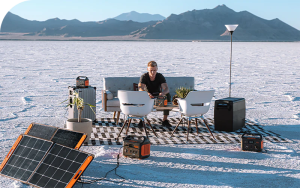
Lighting is one of the most common and practical uses of camping solar power stations. LED lanterns, string lights, and portable area lights consume very little power, often under 10 watts per unit. This efficiency allows campsites to remain well-lit throughout the evening without significantly draining the battery. Compared to disposable batteries or fuel lanterns, solar-powered lighting offers improved safety and reduced waste.
Beyond lighting, comfort-focused devices greatly enhance the camping experience. Electric blankets, low-wattage fans, and heated seat pads are commonly used in both hot and cold environments. A small DC fan may draw only 20 to 40 watts, while an electric blanket typically consumes 60 to 100 watts, depending on settings.
Inflatable mattress pumps, portable air compressors for bike or paddleboard inflation, and small water pumps also fall within this range. These tools are used intermittently, which minimizes their impact on total energy consumption.
Kitchen and Food-Related Equipment
A camping power station can power many kitchen appliances, but its runtime depends heavily on wattage and usage patterns. Low-power devices such as coffee grinders, short-burst blenders, and electric kettles with modest watt ratings are commonly supported by mid- to high-capacity units.
Refrigeration is one of the most valuable applications. Portable compressor refrigerators and coolers typically draw 40 to 60 watts during operation, cycling on and off throughout the day. When combined with solar charging, a power station can keep food and beverages cold for multiple days.
Cooking appliances require more careful consideration. Induction cooktops, electric grills, and rice cookers often demand 800 to 1500 watts or more. High-capacity power stations with robust inverters can handle these loads, but usage is usually brief to conserve energy.
Outdoor Tools and Recreational Gear
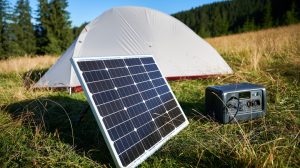
A portable solar power station also supports a wide range of tools and recreational equipment. Power tools such as drills, saws, and sanders are commonly used for campsite setup, vehicle maintenance, or temporary construction. These tools typically draw high wattage during operation but are used for short durations, making them compatible with appropriately sized power stations.
Recreational gear adds another dimension. Electric bikes, scooters, drones, and camera stabilizers all require charging, often at higher voltages. Many modern power stations include AC outlets and regulated DC ports capable of handling these demands. Drone batteries, in particular, benefit from clean and stable power, which solar stations are designed to provide.
Entertainment devices also fit comfortably within this category. Portable projectors, Bluetooth speakers, and gaming consoles can be powered for several hours, turning a campsite into a social hub. While these uses are not essential, they demonstrate how solar energy can support modern lifestyles even in remote locations.
Camping Solar Power Station in RV and Van Life Applications
For RV owners and van travelers, a camping solar power station often serves as the central energy hub. In these environments, power demands are higher and more continuous, covering appliances such as water pumps, ventilation fans, routers, and control systems. Many RV-compatible power stations are designed with higher surge capacity to safely handle motor-driven loads.
Medical and health-related equipment is another critical consideration. Devices such as CPAP machines, oxygen concentrators, and portable medical refrigerators require reliable overnight power. Solar power stations with sufficient battery capacity and quiet operation are particularly well suited for these needs, offering peace of mind without disturbing rest.
When integrated with rooftop solar panels or vehicle charging, a best power station camping setup can maintain a daily energy balance. This approach reduces reliance on campground hookups and fuel generators, aligning with the growing demand for sustainable and self-sufficient travel solutions.
Choosing Equipment Wisely with a Camping Solar Power Station
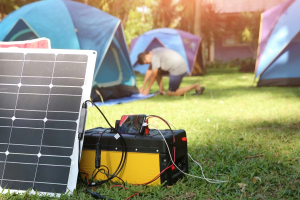
A camping solar power station can power a wide range of equipment, from personal electronics and lighting to refrigeration, tools, and RV systems. Its actual value lies in matching power capacity with realistic usage scenarios. When selected and used appropriately, solar power enhances comfort, safety, and independence in outdoor environments.
By understanding a device’s power, runtime, and charging method, users can build a reliable and tailored system to choose the portable power supply manufacturer that best suits their needs. Whether it’s a weekend getaway or a fully equipped mobile lifestyle, a well-chosen power station can provide quiet, efficient, and reliable performance.