
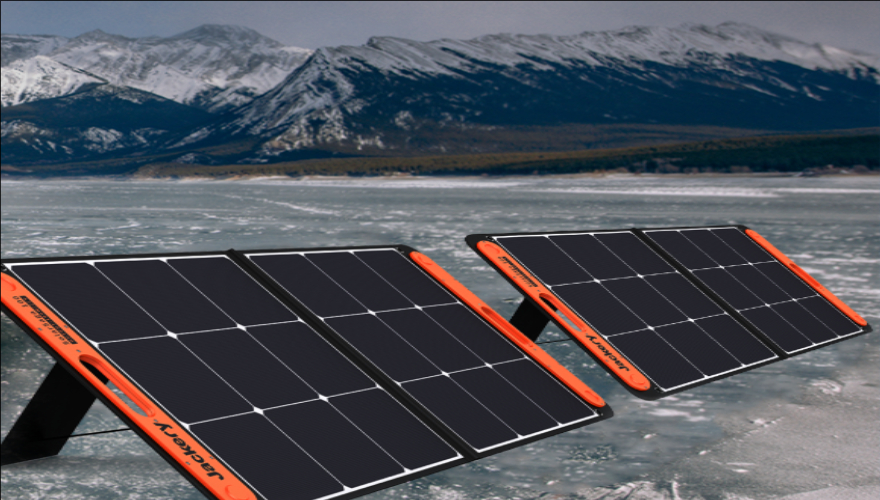
A Portable Solar Panel for users who need dependable electricity beyond traditional power infrastructure. Whether supporting outdoor recreation, mobile work, emergency preparedness, or temporary off-grid living, these compact energy generators offer a flexible solution for charging essential devices. At the same time, portable solar panels are designed for mobility, rapid setup, and user-friendly operation. They rely on high-efficiency photovoltaic cells, lightweight folding structures, and standardized output ports to deliver power wherever sunlight is available.
Their adaptability drives the growing popularity of portable solar panels. Campers use them to keep communication devices powered, RV users rely on them to supplement onboard energy systems, and households turn to them during outages when grid power becomes unreliable.
How Portable Solar Panel Energy Conversion Works
The working principle of a portable solar panel is based on photovoltaic energy conversion. High-efficiency monocrystalline silicon cells absorb sunlight and convert it into direct current (DC) electricity. When sunlight reaches the surface of the cells, photons excite electrons within the silicon material, creating an electrical flow that can be captured and directed to output terminals.
To increase usable output, multiple photovoltaic cells are interconnected within a single panel. The combined voltage and current are regulated through internal circuitry or external charge controllers, depending on the panel design. Some portable solar panels integrate voltage regulation directly into the panel, enabling safe charging of phones and other small electronics.
It is important to note that portable solar panels generate power only when exposed to sufficient light. They do not store energy internally unless paired with a battery system. Therefore, the output level of solar energy products fluctuates significantly throughout the day, with peaks typically occurring under direct sunlight at midday on clear, cloudless days.
Portable Solar Panel Design and Structural Features
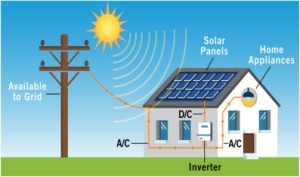
A Portable Solar Panel is engineered to balance electrical output with portability and durability. Foldable designs are widely used, allowing the panel to collapse into a compact form for transport and storage. These designs often resemble briefcases or multi-section mats connected by reinforced hinges or flexible fabric joints. Aluminum frames or composite reinforcements provide rigidity, helping the panel maintain shape when deployed outdoors.
Many modern panels use ETFE lamination instead of traditional plastic coatings. ETFE improves light transmission, resists UV degradation, and enhances scratch resistance, making the panel suitable for repeated outdoor use. Waterproof and dust-resistant ratings help protect internal components from rain, sand, and dirt.
Output Options and Device Compatibility
Portable solar panels’ standard output interfaces include USB-A ports for phones and small electronics, USB-C ports with Power Delivery for tablets and laptops, and DC outputs with XT60 or Anderson connectors for portable power stations. Each interface serves a specific purpose, and output performance depends on both the panel’s capacity and the connected device’s requirements.
Wattage ratings typically range from 30W to 200W, with higher wattage panels capable of charging larger devices or replenishing battery systems more quickly. However, the rated wattage represents peak output under ideal conditions. Actual charging speed depends on sunlight intensity, panel orientation, and the efficiency of the connected device’s charging circuitry.
Compatibility with a solar panel battery or power station requires attention to voltage limits and input specifications. A mismatch may result in reduced charging efficiency or no charging at all.
Real-World Performance and Environmental Influences
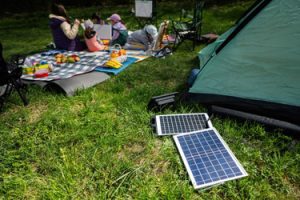
Although laboratory efficiency ratings may exceed 23%, real-world performance is shaped by environmental conditions. Sun angle plays a significant role, as panels receive the most energy when sunlight strikes the surface directly. Morning and late afternoon sunlight produce lower output due to reduced intensity and oblique angles. Moreover, cloud cover, haze, and atmospheric conditions further reduce the available solar energy.
Temperature also affects performance. High surface temperatures can lower voltage output, slightly reducing efficiency during hot conditions. Conversely, cooler temperatures may improve electrical efficiency but are often associated with shorter daylight hours. Dust, dirt, and moisture accumulation on the panel surface can block sunlight if left unchecked.
Portable Solar Panel Usage Limitations and Constraints
Despite their versatility, Portable Solar Panel products are not designed to replace permanent solar installations or grid electricity. Limited surface area restricts total energy generation, making them unsuitable for powering high-demand appliances such as air conditioners, electric cooktops, or space heaters. Their strength lies in supporting low- to medium-power devices over extended periods.
Prolonged cloudy weather or shaded environments can also significantly reduce output, extending charging times or limiting usability altogether. Without a connected solar panel battery or power station, energy cannot be stored for nighttime use, further emphasizing the importance of system pairing for practical applications.
At last, while lightweight construction is convenient, it may require careful handling to avoid mechanical stress during transport. Portable panels are intended for temporary deployment and frequent adjustment rather than permanent outdoor exposure.
Portable Solar Panel Value and Practical Expectations
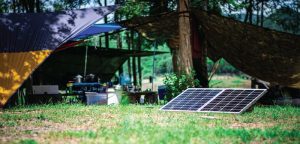
By converting sunlight into usable electricity through efficient photovoltaic cells, these solar products support essential devices in a wide range of situations, from outdoor recreation to emergency power backup. Their foldable structure, durable materials, and multiple output options make them well-suited for mobile and temporary applications.
At the same time, portable solar panels operate within clear physical and environmental limits. Output depends on sunlight availability, panel size, and proper orientation, while energy storage requires additional components. When selected thoughtfully and deployed with realistic expectations, a portable solar panel delivers dependable performance, convenience, and energy independence. Used as a supplementary power source, it remains a valuable tool in modern, mobile energy systems.