
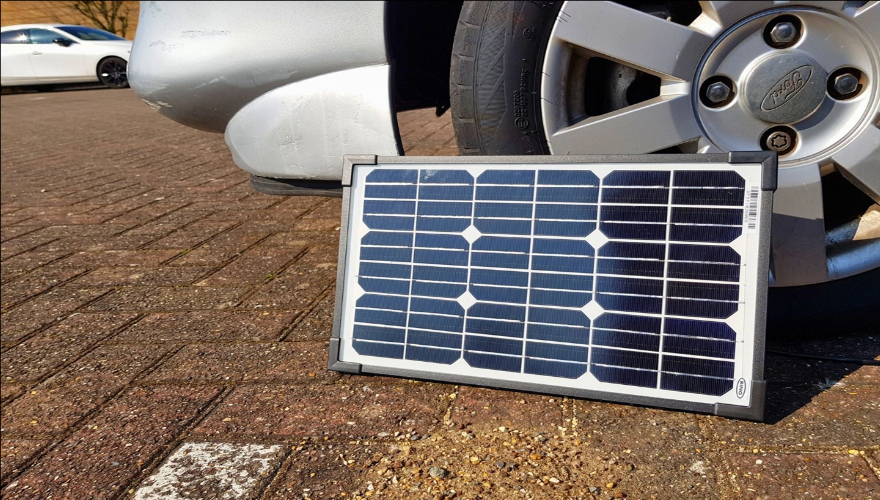
A solar battery charger offers an efficient, eco-friendly solution for powering household devices without relying solely on the mains grid. Designed to harness solar energy, these chargers convert sunlight into usable electrical power, providing a reliable source for mobile phones, small electronics, and even home battery systems. Modern solar battery chargers often include intelligent charge controllers that prevent overcharging, protect connected devices, and optimize energy use throughout the day.
At the same time, a solar battery charger can complement existing mains-powered chargers, allowing devices to be charged during peak daylight hours when solar energy is abundant. This can contribute to energy savings, particularly in regions with high levels of sunlight. Some chargers also power small home battery systems, supporting low-power appliances such as LED lighting, fans, and small kitchen electronics. The combination of portability, efficient energy conversion, and storage capabilities makes the solar battery charger a versatile tool for daily household energy needs.
How Solar Battery Chargers Work
Efficiency and energy storage are key considerations when selecting solar battery chargers for household use. The type of solar panel determines the amount of energy that can be captured from sunlight. Monocrystalline panels generally provide the highest efficiency, converting up to 18% of the sun’s energy into usable electricity. In contrast, thin-film and amorphous silicon panels offer lower efficiency but are lighter and more flexible. CIGS panels, a thin-film technology, provide a good balance between efficiency and flexibility, making them suitable for portable and foldable chargers.
In addition to panel efficiency, the onboard battery capacity influences the charger’s utility. Chargers with higher-capacity batteries can store more energy. Lithium-ion batteries are commonly used due to their high energy density, longevity, and ability to handle frequent charge-discharge cycles. Some advanced chargers also use multiple battery cells arranged to optimize energy distribution, providing more stable, higher output current for various devices and, when combined with reflective coatings or transparent substrates, maximizing sunlight capture.
Portability and Household Applications
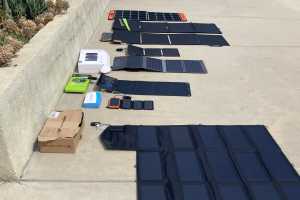
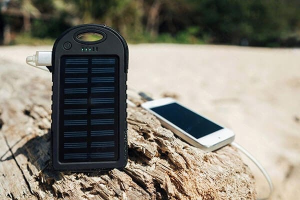
Small-sized solar chargers are designed to fit easily in backpacks or kitchen counters, providing power for mobile phones, tablets, and other small electronics. Foldable or petal-style panels expand when in use to maximize sunlight capture and fold compactly when stored. Larger units, sometimes referred to as “Portable Power Houses,” can deliver higher wattage, enabling the simultaneous charging of multiple devices or even supporting small household systems.
Portable solar chargers are particularly valuable in regions with intermittent electricity or for households interested in energy independence. Semi-public or mobile solar chargers—mounted on wheeled stands or moveable frames—can provide power in gardens, patios, or temporary outdoor events. These models allow multiple devices to be charged simultaneously, offering a versatile solution for households that need flexible energy distribution without complex wiring or installation.
Safety and Voltage Regulation
Solar panels produce variable voltage depending on sunlight intensity, which can cause overcharging or damage sensitive electronics if left uncontrolled. Modern solar chargers include voltage regulators and intelligent charge controllers that stabilize the output voltage, ensuring that batteries and devices operate safely. These systems can automatically adjust current to optimize charging speed while preventing overheating, electrical shorts, and overcurrent conditions.
Some chargers incorporate additional safety features such as surge protection, reverse polarity protection, and temperature sensors. These protections are vital for households using the solar charger for multiple devices or high-capacity battery banks. With proper regulation, households can rely on solar battery chargers for a consistent, safe, and predictable power supply without risking damage to the expensive electronics.
Efficiency and Energy Storage
The type of solar panel determines the amount of energy that can be captured from sunlight. Monocrystalline panels generally provide the highest efficiency, converting up to 18% of the sun’s energy into usable electricity. In contrast, thin-film and amorphous silicon panels offer lower efficiency but are lighter and more flexible. CIGS panels, a thin-film technology, provide a good balance between efficiency and flexibility, making them suitable for portable and foldable chargers.
In addition to panel efficiency, the onboard battery capacity influences the charger’s utility. Chargers with higher-capacity batteries can store more energy. Manufacturers commonly use lithium-ion batteries for their high energy density and long service life. These batteries also tolerate frequent charge-discharge cycles. Some advanced chargers use multiple battery cells. This arrangement optimizes energy distribution and delivers more stable, higher output current for different devices.
Advantages of a Solar Battery Charger
Solar battery chargers offer several advantages. By reducing dependence on mains electricity, they lower energy costs and provide a clean, renewable energy source. Their portability allows for placement in sunlit areas within homes, such as windowsills, rooftops, or patios, ensuring maximum sunlight exposure. Integrated batteries store energy for nighttime use, making solar chargers reliable even when sunlight is unavailable.
What’s more, in the event of power outages, they provide a backup source for essential devices such as mobile phones, LED lights, and small home appliances. The chargers’ intelligent control systems protect devices from electrical faults, while their durable construction ensures long-term performance. Environmentally, using solar energy reduces household carbon footprints and dependence on fossil-fuel-based electricity, promoting sustainability.
Choosing a Solar Battery Charger for Everyday Use
Solar battery chargers provide a practical and sustainable way to integrate renewable energy into daily household life. They combine high-efficiency photovoltaic conversion, voltage regulation, and onboard energy storage. This design allows households to charge devices reliably. It also supports low-power appliances. Portable designs enable flexible placement in sunlit areas. Larger units support more demanding applications. These include garden lighting and backup energy systems.
Modern advancements continue to improve the energy capture, storage, and portability of solar chargers, making them increasingly capable and user-friendly. With careful selection, a solar product becomes a core part of household energy management. It offers convenience, reliability, and meaningful support for greener living.