
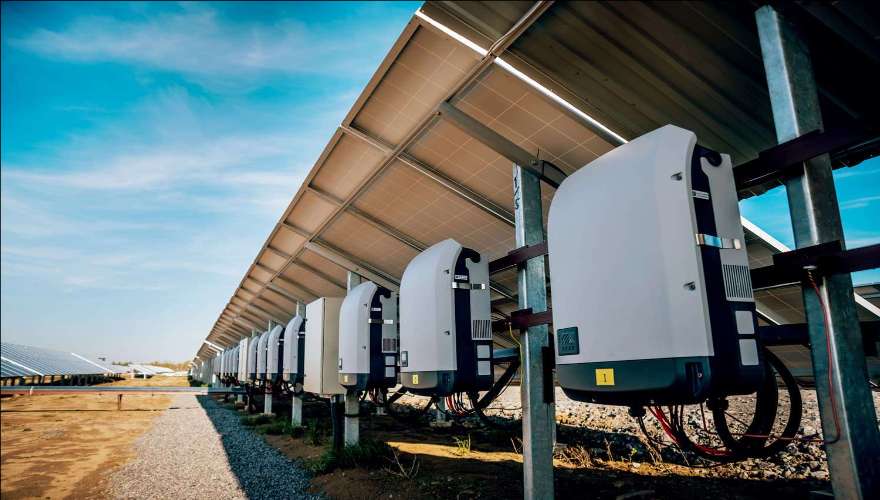
Solar Inverters sit at the heart of every photovoltaic system, quietly converting direct current from solar panels into usable alternating current for homes, businesses, and public infrastructure. While often perceived as a stable and mature component, inverter reliability directly determines whether a solar installation performs as expected over its service life. Many system interruptions, energy losses, and safety incidents trace back not to the panels themselves, but to inverter faults that were either misunderstood or preventable. In real-world applications, failures rarely occur without warning. Environmental stress, installation quality, electrical compatibility, and operational habits all leave detectable signals long before a shutdown occurs. Understanding common inverter faults and their prevention methods allows users to reduce downtime, protect investment value, and maintain consistent power output.
Common Electrical Faults in Solar Inverters and How to Prevent Them
Electrical faults represent the most frequently reported issues in Solar Inverters, especially in grid-connected systems. Typical problems include DC overvoltage, AC overcurrent, ground faults, and insulation resistance alarms. These conditions often arise from mismatched module strings, incorrect cable sizing, or gradual degradation of wiring insulation exposed to heat and ultraviolet radiation. Overvoltage faults may occur during cold weather when the panel voltage exceeds the inverter’s acceptable range.
At the same time, ensuring that string voltage remains within the inverter’s operating window under all environmental conditions is essential. High-quality DC connectors, certified cables, and proper grounding practices significantly reduce the risk of electrical leakage and arc faults. Periodic inspection of terminals and connectors is also key, as loose connections increase resistance and generate heat over time. When electrical parameters remain within design limits, inverter protective functions operate as safeguards.
Environmental and Thermal Issues Affecting Inverter Performance
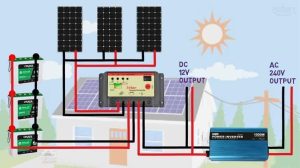
Inverters contain sensitive electronic components that are highly responsive to temperature, humidity, and airborne contaminants. Excessive heat remains a leading cause of premature inverter failure. Rooftop installations without adequate airflow, poorly ventilated equipment rooms, or exposure to direct sunlight can push internal temperatures beyond safe thresholds. Prolonged thermal stress accelerates capacitor aging, reduces component tolerance, and increases the likelihood of unexpected shutdowns.
Secondly, there is the issue of moisture, particularly in coastal or high-humidity regions. Condensation inside the enclosure can corrode circuit boards and compromise insulation. Dust accumulation further exacerbates thermal issues by obstructing heat-dissipation paths and cooling fans.
Effective prevention focuses on placement and protection. Installing the inverter in a shaded, well-ventilated location dramatically improves thermal stability. Enclosures with appropriate ingress protection ratings should be selected based on environmental conditions, and ventilation paths must remain unobstructed.
Installation and Configuration Errors That Lead to System Failures
Many inverter solar power faults originate not from manufacturing defects but from installation and configuration mistakes. Incorrect polarity during DC connection, improper grounding, and inaccurate parameter settings frequently result in immediate alarms or delayed operational issues. In grid-connected systems, incorrect grid code settings can cause repeated disconnections, even when the inverter itself is functioning correctly.
Cable routing also influences performance. Long DC cable runs without proper sizing increase voltage drop and heating, while poorly separated AC and DC lines may introduce electromagnetic interference. Simultaneously, verifying polarity before energizing the system, confirming torque values at all terminals, and validating grid parameters during commissioning help avoid avoidable faults.
Component Aging and Wear in Long-Term Operation
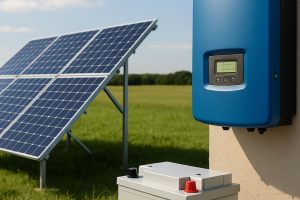
Although Solar Inverters are designed for extended service life, internal components inevitably age. Electrolytic capacitors, relays, and cooling fans gradually wear out, affecting performance over time. Capacitor degradation reduces filtering capability, leading to voltage ripple and unstable output. Fan failure compromises thermal management, accelerating damage to surrounding components.
Aging rarely causes sudden failure without prior symptoms. Audible noise changes, increased operating temperature, and sporadic error codes often appear months before a complete shutdown. Systems operating in high-temperature environments or under heavy load cycles experience faster wear compared to those in moderate conditions.
Periodic inspections, firmware updates, and thermal checks help identify aging components early. Selecting inverters from manufacturers that emphasize component quality and long service ratings further reduces replacement frequency.
Grid Interaction Problems in Solar Inverters and Mitigation Measures
Sometimes, Voltage fluctuations, frequency instability, and poor grid quality can trigger protective shutdowns in Solar Inverters, even when the solar system itself is functioning normally. In weak or rural grids, rapid voltage rises during peak solar production often trigger disconnection events, leading to perceived underperformance.
Anti-islanding protection can also respond aggressively to unstable grid conditions. These shutdowns are protective rather than indicative of inverter malfunction. However, repeated disconnections reduce energy yield and frustrate users unfamiliar with grid dynamics.
Mitigation involves proper coordination between inverter settings and local grid characteristics. Voltage regulation devices, optimized output limits, and updated firmware help stabilize operation.
Preventive Maintenance Strategies for Solar Inverters in Daily Use
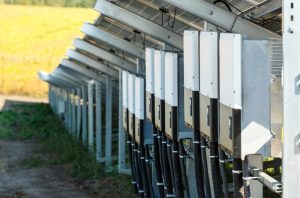
Long-term inverter reliability depends less on reactive repairs and more on consistent preventive care. Simple routines such as visual inspections, cleaning ventilation paths, and reviewing operational logs provide valuable insight into system health. Monitoring platforms enable early detection of abnormal patterns, enabling corrective action before energy losses escalate.
Preventing water accumulation, controlling dust exposure, and maintaining safe clearance around the inverter protect internal components from avoidable stress. When preventive maintenance becomes part of routine system management, inverter faults shift from unexpected events to manageable conditions. This approach not only extends equipment life but also reinforces confidence in the solar product as an energy solution.