
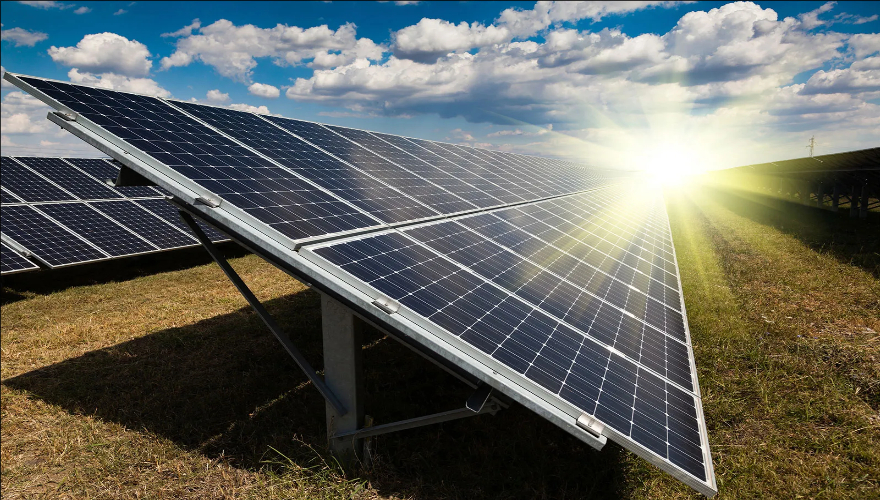
A Solar Battery Charger converts sunlight into usable electrical energy, offering a practical and increasingly reliable way to power devices and store electricity without dependence on conventional grids. As solar technology has matured, performance expectations have shifted from basic energy capture to stable output, intelligent protection, and dependable usability across diverse environments. Whether installed as a stationary solar panel battery solution on rooftops or deployed as a portable Solar product for mobile charging, performance remains the central concern for end users.
Modern solar battery chargers are no longer limited to niche or emergency use. They support lead-acid, Ni-Cd, and lithium-based batteries across a wide voltage range, often up to 48 V. They can serve applications from small consumer electronics to large-capacity battery banks. Performance today is defined not only by how much power is generated, but also by how consistently, safely, and efficiently that power is delivered.
Solar Battery Charger Energy Conversion Efficiency and Output Stability
One key performance indicator of a Solar Battery Charger is the efficiency of sunlight conversion. This efficiency depends mainly on solar cell technology. Thin-film panels typically operate between 7% and 15%. Monocrystalline panels can reach about 18% under optimal conditions. Higher efficiency directly translates into faster charging and better usability in limited sunlight.
However, efficiency alone does not guarantee strong performance. Output stability is equally important. Sunlight intensity fluctuates throughout the day due to cloud cover, temperature variation, and panel orientation. A well-designed solar panel battery maintains steady voltage and current despite these changes. Integrated voltage regulation ensures that connected batteries or devices are not exposed to harmful overvoltage during peak sunlight, while still providing sufficient power in lower-light conditions. 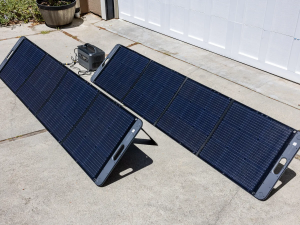
Battery Compatibility and Charging Control Performance
Another critical performance highlight lies in battery compatibility and charge management. Solar battery chargers are often required to support a wide range of battery chemistries, capacities, and charging profiles. From small lithium-ion batteries in mobile devices to large lead-acid banks exceeding thousands of ampere-hours, performance depends on accurate charge regulation.
Advanced charge controllers play a central role here. These controllers manage multi-stage charging processes, including bulk charging, absorption, and maintenance phases. This controlled approach prevents undercharging, which reduces battery capacity, and overcharging, which accelerates battery degradation. In real-world applications, this capability ensures batteries remain reliable even when exposed to variable sunlight over extended periods.
Portability, Design Flexibility, and Environmental Adaptability
For portable solar chargers, physical design and adaptability strongly influence performance. Lightweight construction, foldable panels, and flexible thin-film materials allow users to deploy solar products in diverse settings. These settings range from urban travel to remote fieldwork. In such cases, users do not judge performance solely by wattage. They evaluate how effectively the charger generates power under real-world conditions.
Fold-out and rollable solar chargers offer increased panel surface area while maintaining compact storage. This design improves charging speed without compromising portability. Some models incorporate on-board batteries that store energy during daylight hours for use at night or indoors. This buffering capability significantly enhances practical performance, especially in regions with inconsistent sunlight. 
Performance of Voltage Regulation and Device Protection
Voltage regulation is one of the most technically important performance highlights of a solar battery charger. Solar panels naturally produce varying voltages depending on sunlight intensity, making regulation essential for safe operation. Without proper control, connected batteries or electronics can be damaged by excessive voltage during bright conditions or receive insufficient power during low light.
High-quality chargers incorporate precise regulators that maintain output within narrow tolerances. This is particularly critical when charging sensitive electronics such as mobile phones, audio equipment, and communication devices. Poorly regulated chargers may cause devices to repeatedly connect and disconnect from charging, resulting in inefficient energy use and potential long-term damage.
Solar Battery Charger Performance in Public and Shared Charging Applications
Public and semi-public charging installations highlight a different dimension of Solar Battery Charger performance: durability, accessibility, and sustained output under frequent use. Installations in parks, streets, and transportation hubs must operate continuously, often serving multiple users simultaneously. Performance in these environments depends on robust construction and efficient power distribution.
Shared charging stations typically include multiple USB ports, battery-buffering systems, and, sometimes, additional features such as lighting or wireless connectivity. A strong solar panel battery ensures energy collected during peak sunlight hours can support extended usage periods. Performance here is measured by uptime, charging consistency, and resistance to misuse or environmental wear.
Security considerations also influence perceived performance. Well-designed systems isolate charging circuits to prevent data interference and protect user devices. In public settings, reliable operation builds trust and encourages broader adoption of solar charging solutions. These installations demonstrate how performance extends beyond raw electrical output to include safety and dependability. 
Solar Battery Charger Performance as a Measure of Reliability and Trust
A Solar Battery Charger delivers more than basic power generation. Its performance depends on how efficiently it converts sunlight. It also reflects how intelligently it regulates power and how reliably it delivers energy to batteries and devices in real-world conditions. From portable chargers for personal electronics to large solar panel battery systems supporting substantial storage banks, performance remains the foundation of user satisfaction.
High-performing Solar products combine efficient panels, stable voltage regulation, intelligent charge control, and durable construction. These attributes protect batteries, extend service life, and ensure consistent operation despite environmental variability. As solar charging continues to replace traditional power sources in both developed and developing regions, performance becomes a symbol of trust rather than a technical specification.
Ultimately, a well-engineered solar battery charger provides confidence. It delivers power when needed, protects what it charges, and operates predictably day after day. These performance advantages explain why users no longer see solar charging solutions as alternatives. Instead, they regard them as dependable components of modern energy use.