
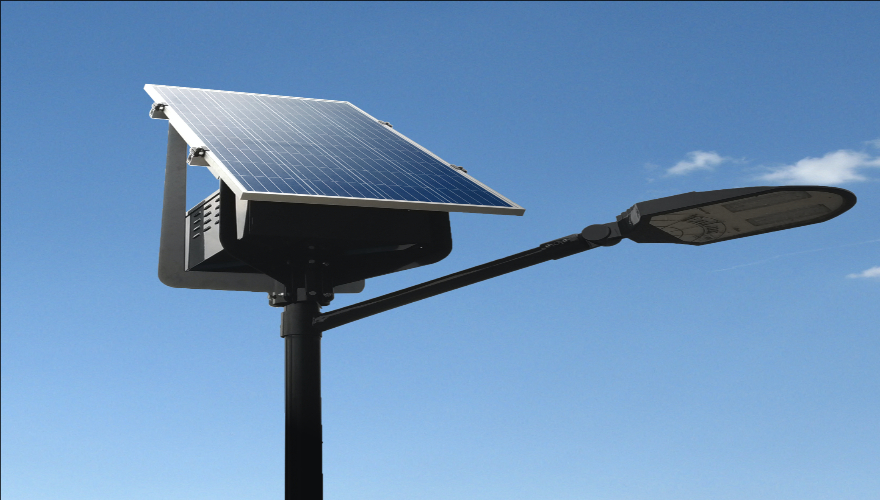
Solar energy street lights are an essential facility for sustainable outdoor lighting, freeing users from the constraints of the power grid, reducing energy costs, and requiring minimal maintenance. Beyond these advantages, what is the typical lifespan of a solar streetlight? How do the individual components affect its overall lifespan? These are also questions worth exploring.
Solar energy street lights are complex systems comprising solar panels, LED lights, batteries, controllers, and support poles. Each component has its own durability, and the overall lifespan depends on the synergistic performance of these parts under various environmental conditions. Understanding the expected lifespan helps municipalities, businesses, and residential users plan maintenance and replacement cycles, as well as investments in solar lighting infrastructure.
Solar Energy Street Lights: Solar Panels and LED Fixtures
Solar panels form the backbone of solar street lights, converting sunlight into electricity to power the LEDs. High-quality panels typically offer lifespans of 20 to 30 years, with performance gradually declining over time. Proper panel maintenance, including routine cleaning to remove dust and debris, ensures consistent energy output and reduces strain on other components, such as the battery and controller.
LED fixtures, which provide illumination, are also remarkably durable. Modern LED lights used in solar street lights are rated for 50,000-100,000 operational hours, translating to 10–15+ years of continuous use. The combination of energy-efficient LEDs and well-designed optics delivers consistent brightness while minimizing heat buildup, a critical factor in prolonging service life. Choosing high-quality LED components is therefore vital to maximizing the system’s operational lifespan.
Battery Lifespan and Performance
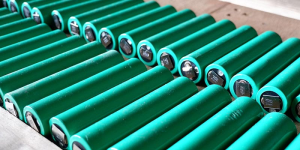
The battery is often the limiting factor in the lifespan of solar energy street lights. Batteries store the energy generated by solar panels and supply power during nighttime operation. Lifespan varies significantly based on battery chemistry, capacity, and usage patterns. Lithium Iron Phosphate batteries are the most durable option, lasting between 8–12 years and supporting 2,000–4,000 complete charge cycles. Li-ion batteries typically last 5–8 years, while Gel or AGM lead-acid batteries generally require replacement every 3–5 years.
Environmental conditions, including temperature extremes and humidity, can accelerate battery degradation. Overcharging, deep discharges, and inadequate maintenance may further reduce lifespan. Selecting the right battery type for specific climates and usage patterns is critical for achieving reliable, long-term operation of solar street lights.
Controllers, Poles, and System Reliability
Controllers regulate power distribution between solar panels, batteries, and LEDs, ensuring optimal charging and protecting components from damage. Typical controller lifespans range from 5 to 15 years, depending on quality, usage, and environmental conditions. Advanced controllers with overcharge and temperature protection extend the overall system life by preventing premature battery or LED failure.
The pole and structural support of a solar energy street light also impact longevity. Poles are designed to withstand wind, rain, and other environmental stressors, with lifespans ranging from 10 to 30 years depending on materials, coatings, and installation quality. Durable poles protect electrical and mechanical components from environmental damage, contributing to the overall stability of the lighting system.
Factors Affecting Lifespan and Maintenance Practices
Several factors influence the effective lifespan of solar energy street lights. Environmental conditions play a significant role: extreme heat or cold, strong winds, heavy rainfall, or corrosive atmospheres can shorten component life. The quality of materials and manufacturing processes also affects durability, with higher-quality solar panels, batteries, LEDs, and controllers providing more reliable long-term performance.
Proper maintenance significantly extends lifespan. Routine cleaning of solar panels ensures optimal sunlight absorption, while regular inspection of connections, battery terminals, and seals prevents unexpected failures. Monitoring system performance allows early detection of issues, such as dimming LEDs or declining battery efficiency, before they escalate into major problems.
Solar Energy Street Lights: Expected Operational Lifespan
Taking all components into account, solar energy street lights generally offer a total system lifespan of 10 to 25 years. While solar panels and poles can last over two decades, LED fixtures typically last 10–15+ years. Batteries usually require more frequent attention, with replacements every 3–12 years depending on battery type and operating conditions. Controllers fall in between, offering 5–15 years of reliable service.
On average, a well-maintained, high-quality solar street light system provides consistent illumination for approximately 10–15 years before major component overhauls become necessary. Selecting durable components and adhering to routine maintenance schedules is essential to achieving this level of reliability.
Maximizing the Lifespan of Solar Energy Street Lights
The typical lifespan of solar energy street lights depends on component selection, environmental conditions, and maintenance practices. Solar panels, LEDs, batteries, controllers, and poles all have varying durability profiles, with batteries generally requiring the most frequent replacement. By selecting high-quality materials, designing for environmental resilience, and performing regular maintenance, users can ensure that solar-powered street lights deliver reliable performance for over a decade.
Understanding component lifespans enables realistic replacement planning and reduces the risk of unexpected downtime. In professional solar energy solutions, well-engineered systems offer both sustainable energy efficiency and long-term operational reliability, making solar energy street lights a practical and enduring choice for urban, commercial, and residential applications.