
The Quiet Muscle Behind Reliable Home Backup Power
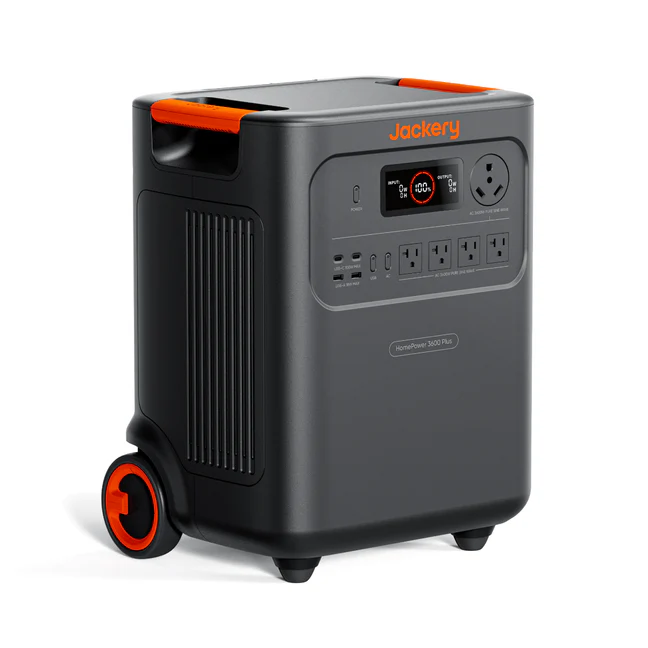
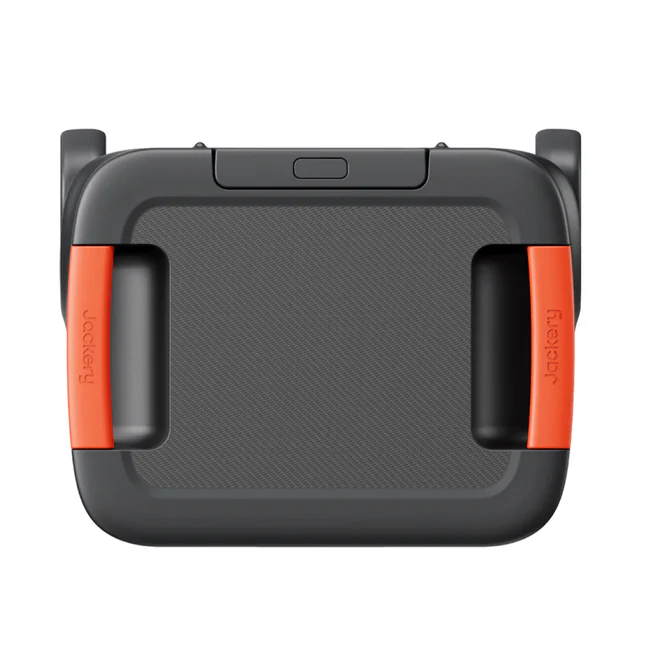
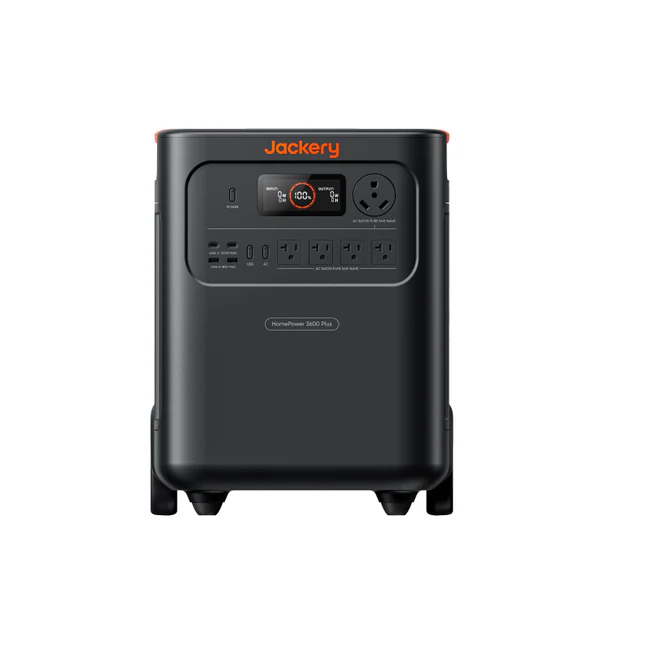
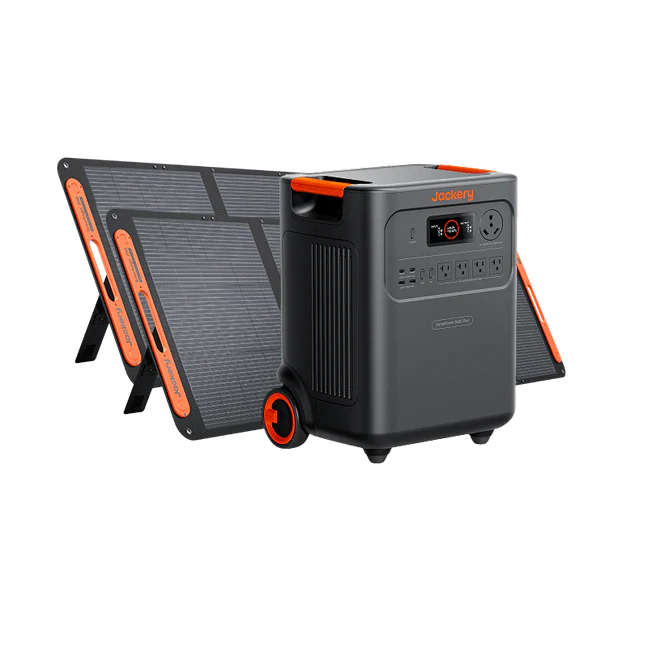
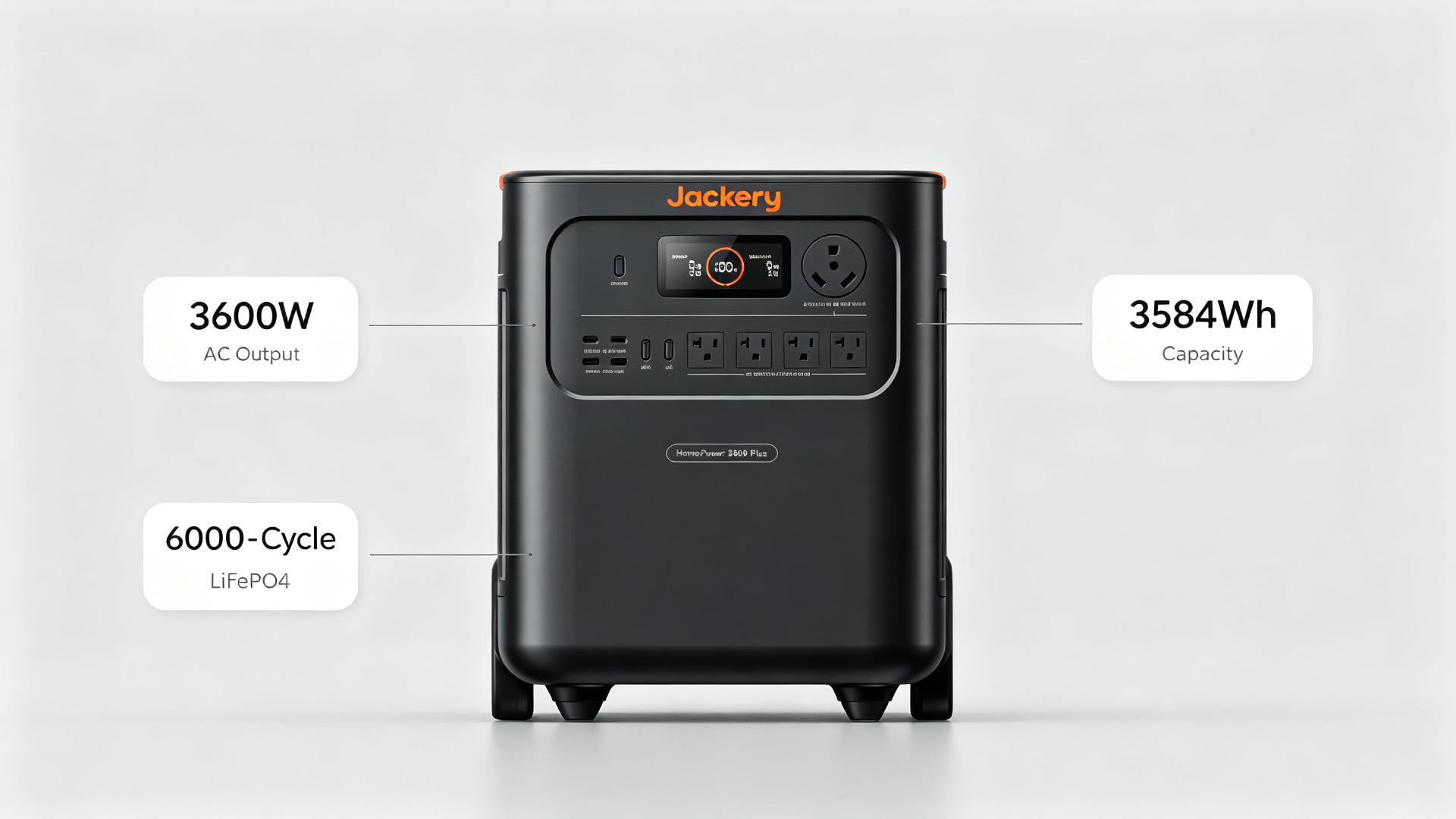
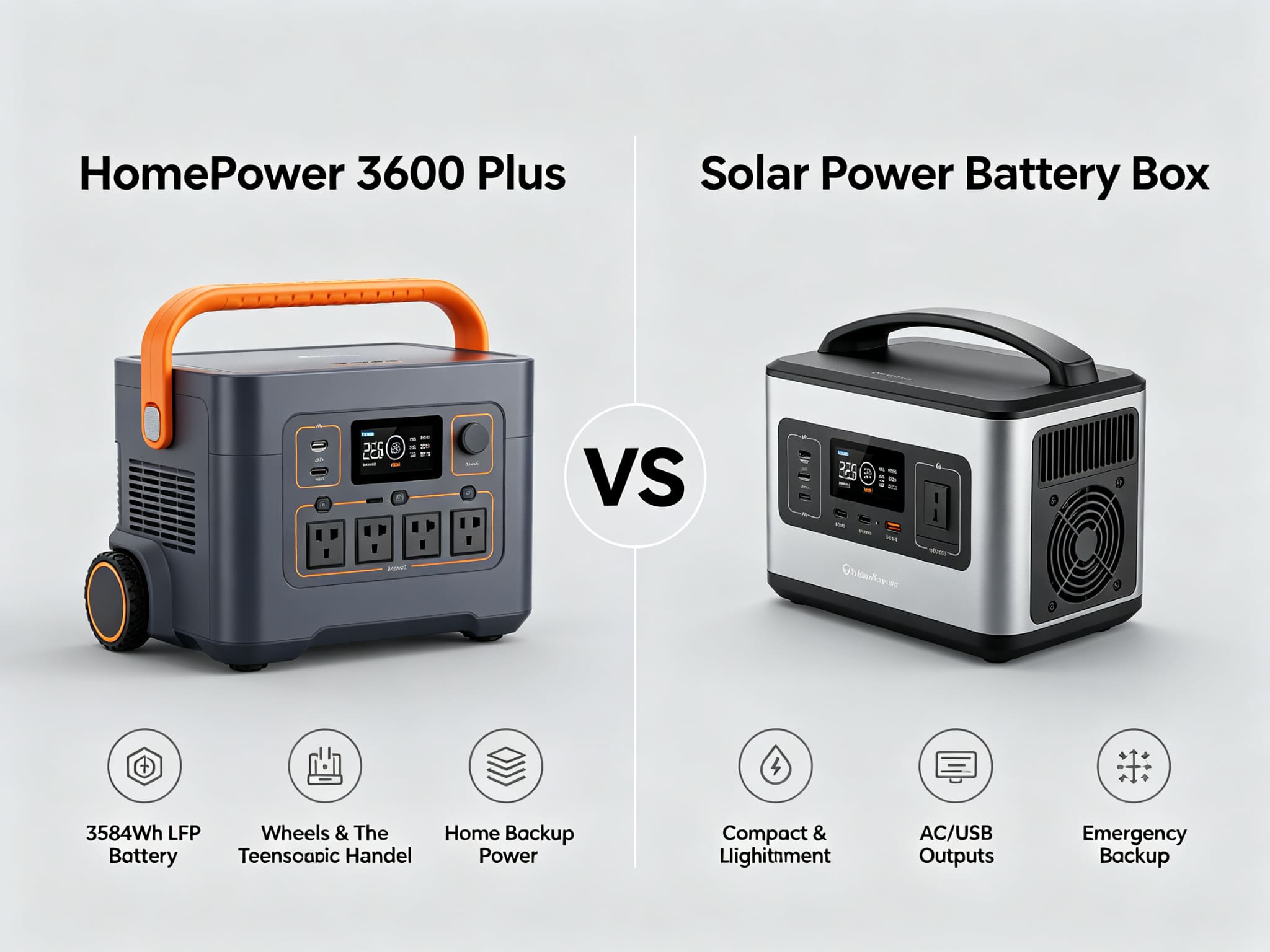
The HomePower 3600 Plus delivers 3600W of pure-sine-wave AC power. Its 7200W surge peak starts heavy household appliances like refrigerators, water pumps, and dryers without dropping voltage. A 3584Wh LiFePO4 battery keeps a family of three powered for up to 14 days on a single charge. The LFP chemistry runs cooler and lasts far longer than traditional lithium-ion, making it ideal for daily cycling and long-term standby use. The unit operates at roughly 30dB in quiet mode, about as loud as a library. Overnight indoor use stays completely comfortable with no engine noise, fumes, or vibration. High-temperature ceramic membrane cells tested to 302°F significantly reduce thermal runaway risk in extreme conditions. ChargeShield 2.0 protects against overcharge, over-discharge, overcurrent, and short circuits. The automotive-grade CTB structure keeps this 3.6kWh portable power station compact and lightweight, with a wheeled frame that moves effortlessly from room to room.
Who This Portable Power Station Serves
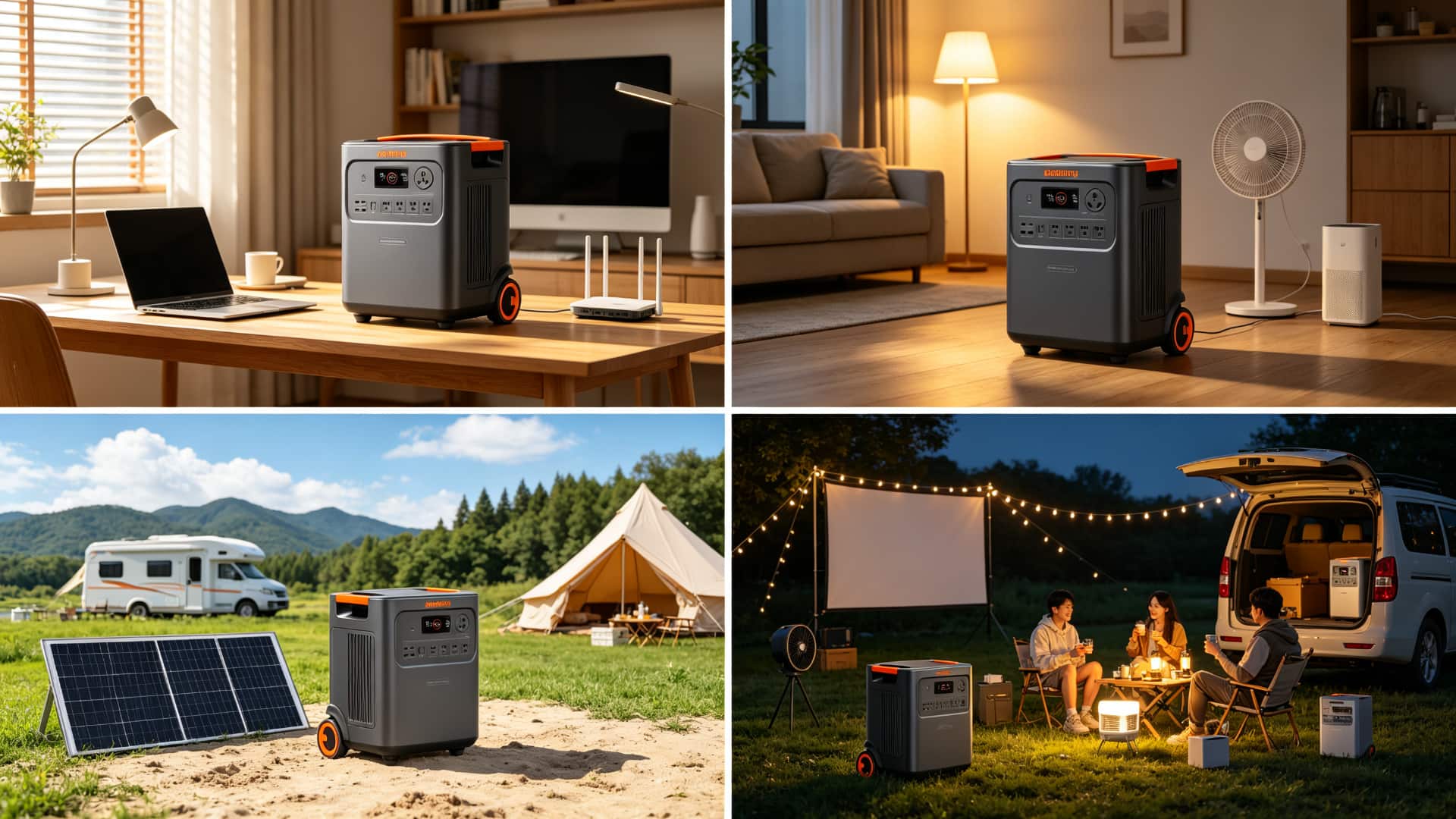
Beyond emergencies, however, it shines in everyday life as well. Families use it to power home offices, entertainment systems, and smart-home devices with the sub-10ms UPS mode. Campers and RV owners, in contrast, carry it to sites where shore power is unavailable, while tailgaters and event hosts rely on it for portable AC and USB charging. In fact, its 120V/240V parallel output lets two units run heavy loads like dryers and water pumps together.
This power station fits a surprisingly broad range of users.
- First, homeowners in outage-prone regions who want whole-home essentials backup without installing a permanent generator.
- Second, RV and van-lifers who need silent, emission-free energy on the road.
- Third, remote workers who cannot afford even a minute of downtime.
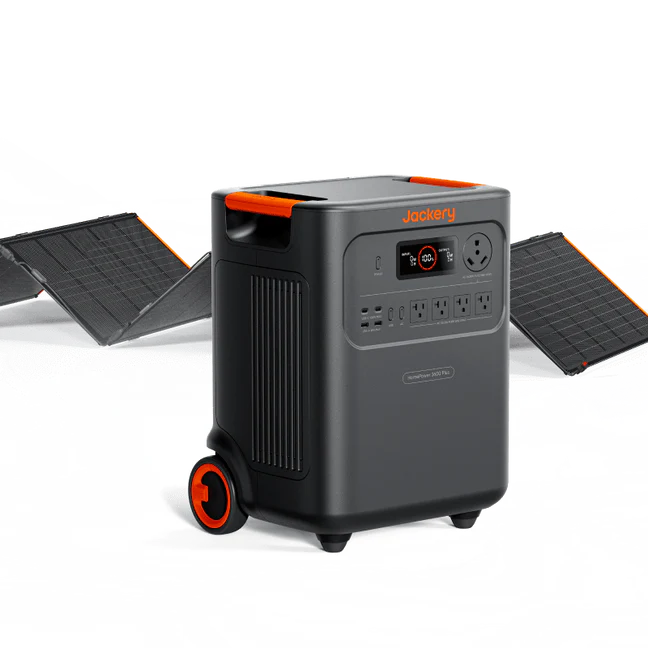
For each group, the expandable 21kWh capacity offers a clear growth path, since you can simply add Battery Pack 3600 modules as needs grow. Furthermore, first-time users will appreciate the plug-and-play design, because you need no wiring or installation — just wheel it in and press a button. And when you pair it with solar panels, it turns free sunlight into stored energy.
Power That Shows Up When Everything Else Powers Down
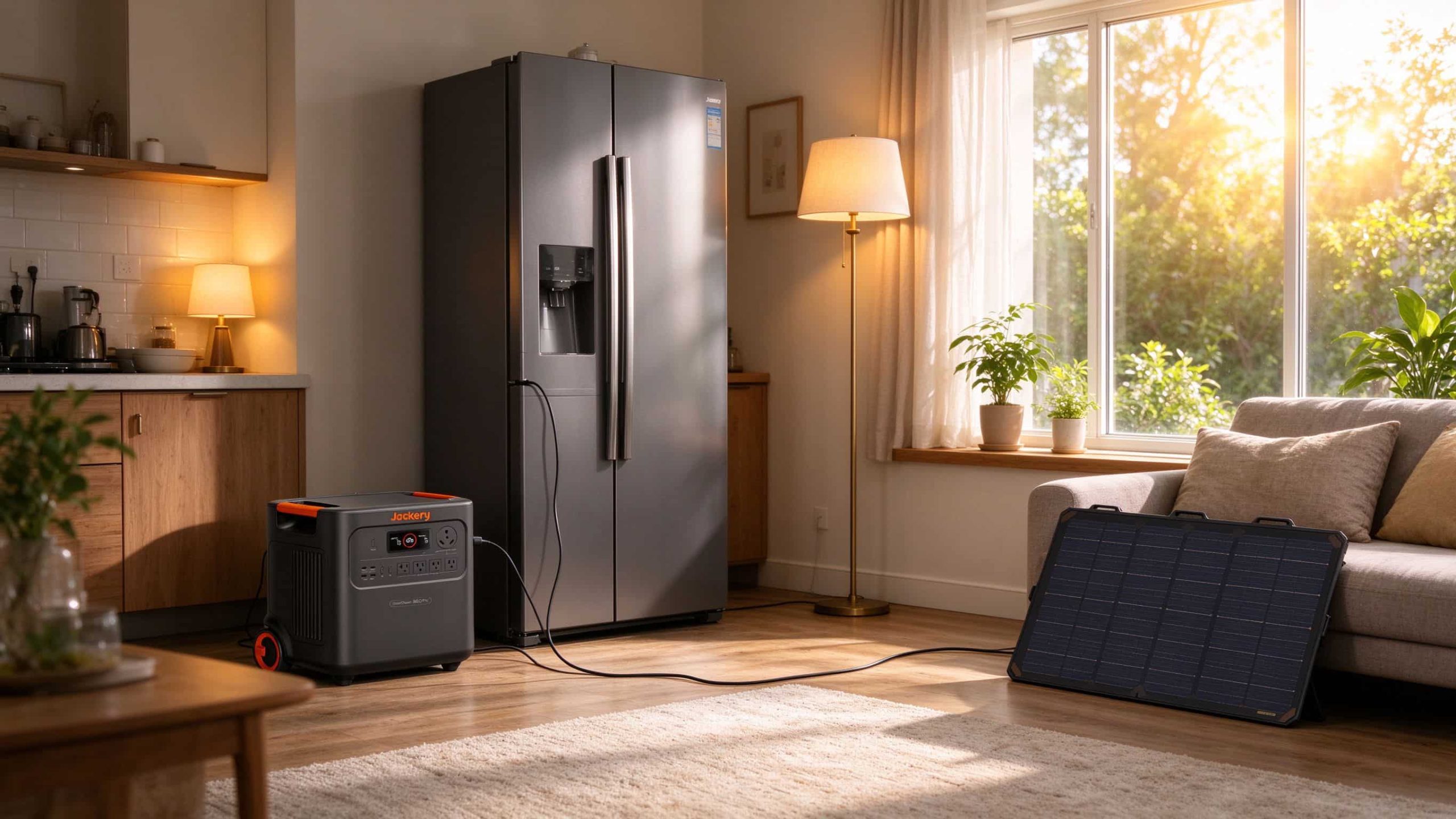
When the grid goes dark, the HomePower 3600 Plus steps in as a dependable home backup power station that keeps your household running without interruption. Its 3600W output and sub-10ms UPS switching transfer power in less than 10 milliseconds, keeping connected devices online seamlessly. Your refrigerator, Wi-Fi router, lights, and medical devices never notice the outage. Pair it with a high-efficiency monocrystalline solar board for fuel-free recharging during extended blackouts. You can also add a portable solar power battery box to expand your backup capacity for multi-week resilience. Unlike gas generators that demand fuel and ventilation, this portable power station runs silently indoors. It emits zero fumes, requires no maintenance, and starts with a single button press. Whether you face a summer storm, a winter ice event, or a planned utility shutdown, the 3600 Plus delivers clean, stable power exactly when your family needs it most.
Which One Should You Choose?
The HomePower 3600 Plus is a long-term home energy system built for resilience and high output, while the Solar Power Battery Box is a compact, budget-friendly companion for light-duty portable use. If you can only pick one, match it to your largest expected load: refrigerators and medical devices need the 3600 Plus; phones and laptops on a weekend trip are well served by the Battery Box.
Reviews
There are no reviews yet.