
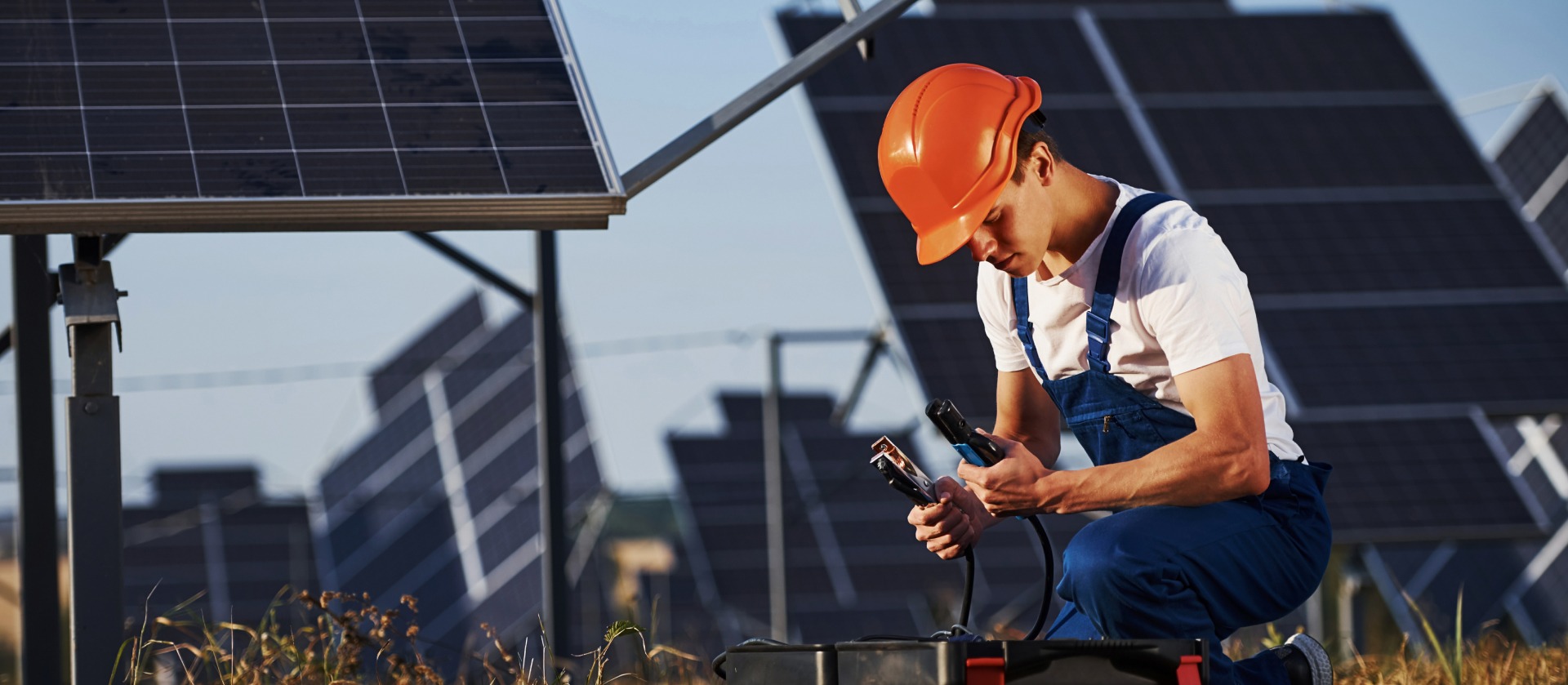
Choosing from the many solar technologies available can be confusing. While solar panel micro inverters promise higher efficiency and panel-level control, they also entail higher upfront costs. Therefore, the real question is: do the benefits outweigh the costs, or are they an unnecessary upgrade? The answer often depends on the homeowner’s roof condition, long-term energy goals, and the importance placed on performance stability. For families planning to use a solar system long-term, even small efficiency gains from microinverters can translate into significant energy savings over time.
What Are Solar Panel Micro Inverters?
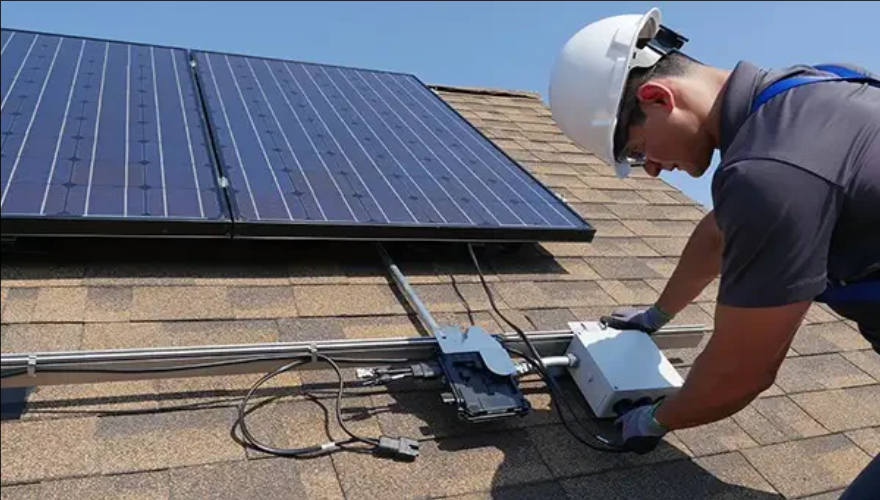
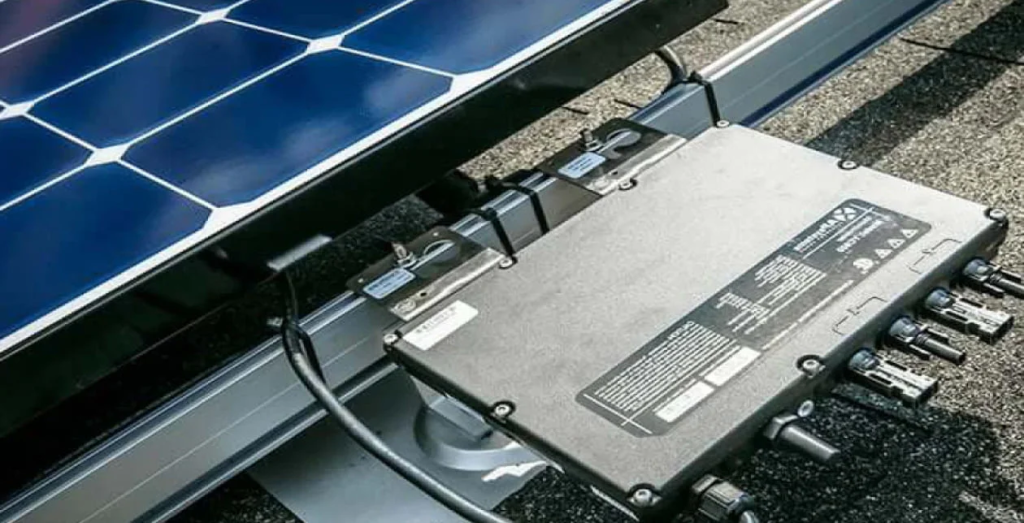
Installers place solar panel micro inverters on each solar panel as small devices. Unlike string inverters, central inverter units, and traditional power conversion systems, they convert electricity directly at the panel level.
This setup allows each panel to operate independently, which improves system resilience and overall energy production. As a result, microinverter systems, panel-level inverters, and module-level electronics are becoming increasingly popular in residential solar installations. Another practical advantage is system flexibility—homeowners can expand their setup later without redesigning the entire system, unlike with string-based configurations.
How Solar Panel Micro Inverters Boost Efficiency and Performance
When evaluating a solar system, efficiency is not just about peak output on a sunny day—it’s about how consistently the system performs under real-world conditions. Factors such as shading, panel orientation, and long-term wear all affect actual energy production. This is where solar panel micro inverters offer a different approach compared to traditional designs. By improving how each panel operates and how performance is tracked, they help reduce common energy losses and make the system easier to manage over time.
Higher Energy Output in Real-World Conditions
From an installation perspective, solar panel micro inverters help address uneven panel output. In traditional setups, a single weak panel can limit the entire system’s performance, a limitation that becomes more noticeable over time. In real use, factors such as shading, dust, and panel angle often affect output. With panel-level operation, each panel runs independently, keeping performance losses localized and resulting in more stable energy production, especially under changing light conditions.
Smarter Monitoring and Easier Maintenance
Another advantage of solar panel micro inverters is improved visibility into system performance. Instead of relying on overall estimates, users can access more detailed data on individual panels. This makes troubleshooting faster and more precise, as issues can be identified without having to check the entire system. Over time, this reduces maintenance effort and helps improve overall system reliability.
Are Solar Panel Micro Inverters Worth the Cost?
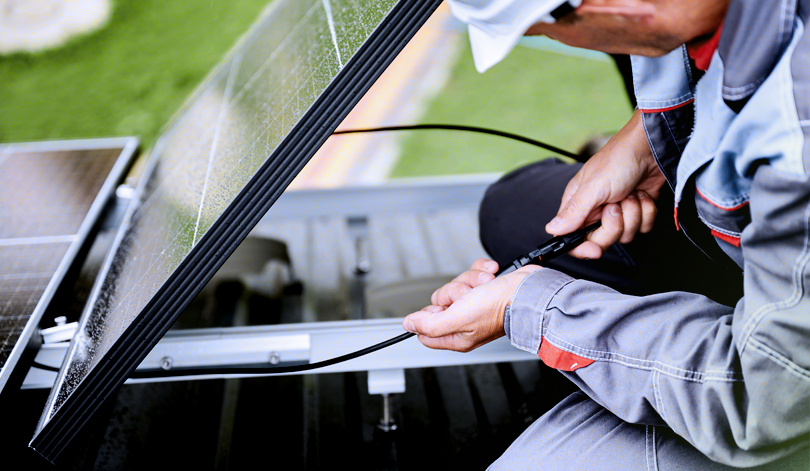
The answer is definitely yes! Compared to traditional inverters, the biggest drawback of solar micro inverters is the higher initial investment, installation, and equipment costs, which may be a concern for budget-conscious homeowners. However, over time, this initial investment often yields a higher return. Many users believe it has greater long-term value due to more stable energy production, reduced maintenance needs, and a longer system lifespan. Furthermore, a lower system failure rate means less downtime, ensuring that the solar microinverter system generates more usable energy over many years.
The Best Application Scenarios for Solar Microinverters
Not all solar systems lose energy for the same reasons, but when energy loss occurs, roof layout or shading is usually to blame. Solar micro inverters address these issues directly. Instead of forcing every panel to operate the same way, microinverters allow each panel to operate independently, helping recover energy that would otherwise be lost.
Suitable for Complex Roof Layouts
Solar panel orientation affects the overall performance and output power of traditional systems, but solar microinverters effectively resolve this issue. Solar micro inverters are particularly suitable for houses with roofs of varying angles or shapes. Microinverters allow each panel to operate independently, making it easier to handle these variations. This provides installers with greater flexibility and helps maximize available roof space without compromising efficiency.
Reliable Operation in Shaded Areas
Shading is one of the most common challenges in solar installations. Trees, nearby buildings, or seasonal changes can reduce the amount of sunlight reaching some panels. With solar micro inverters, any drop in output power is limited to the affected panels, not the entire system. This helps maintain more stable energy production, making it ideal for areas with uneven or highly variable sunlight conditions.
Final Conclusion: A Wise Upgrade or a Waste?
So, is a solar panel microinverter a wise upgrade or a waste of money? The answer is definitely wise! Compared to traditional inverters and base power conversion systems, solar panel microinverters offer significant advantages in efficiency, flexibility, and system visibility. For users who prioritize long-term performance and reliability, it’s a worthwhile investment. However, for users who prefer simple installation and have a tighter budget, more traditional options may still suffice.