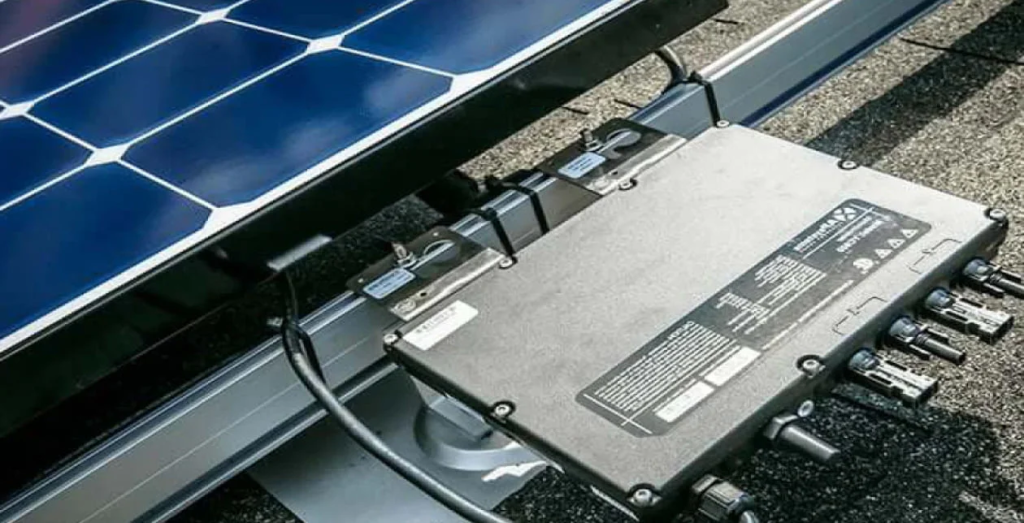
Choosing the right microinverter is crucial to improving the efficiency of your home solar system. Many homeowners are confused by the wide variety of products on the market. In fact, mastering some key selection tips can help you easily find the ideal solar microinverter. Whether you’re focusing on performance, budget, or brand quality, professional guidance can greatly simplify your selection. Top-tier home microinverters and reliable solar microinverters are popular with home users, providing stable power conversion for everyday household needs.
Key Performance Metrics for Home Microinverters
When choosing a microinverter, performance is the core consideration. First, focus on energy conversion efficiency, as high-efficiency models can generate more usable electricity for your home solar panels. Additionally, pay attention to load adaptability, which ensures the device’s stable operation under different lighting conditions.
Classic solar microinverter designs make it easy to connect to a variety of home solar modules. A qualified solar microinverter should have overvoltage and overcurrent protection to ensure its long-term safe operation in your home.

Checking the Power Conversion Rate of a Micro Solar Inverter
Confirming the Safety and Durability of a Home Micro Inverter
Home Micro Inverters: Buying & Installation Tips
Besides performance, a sound purchasing strategy and proper installation can also optimise a micro-optimiser’s performance. First, ensure the micro inverter’s power parameters match the output of your home’s solar cells. Incompatible parameters can reduce power generation and even damage equipment.
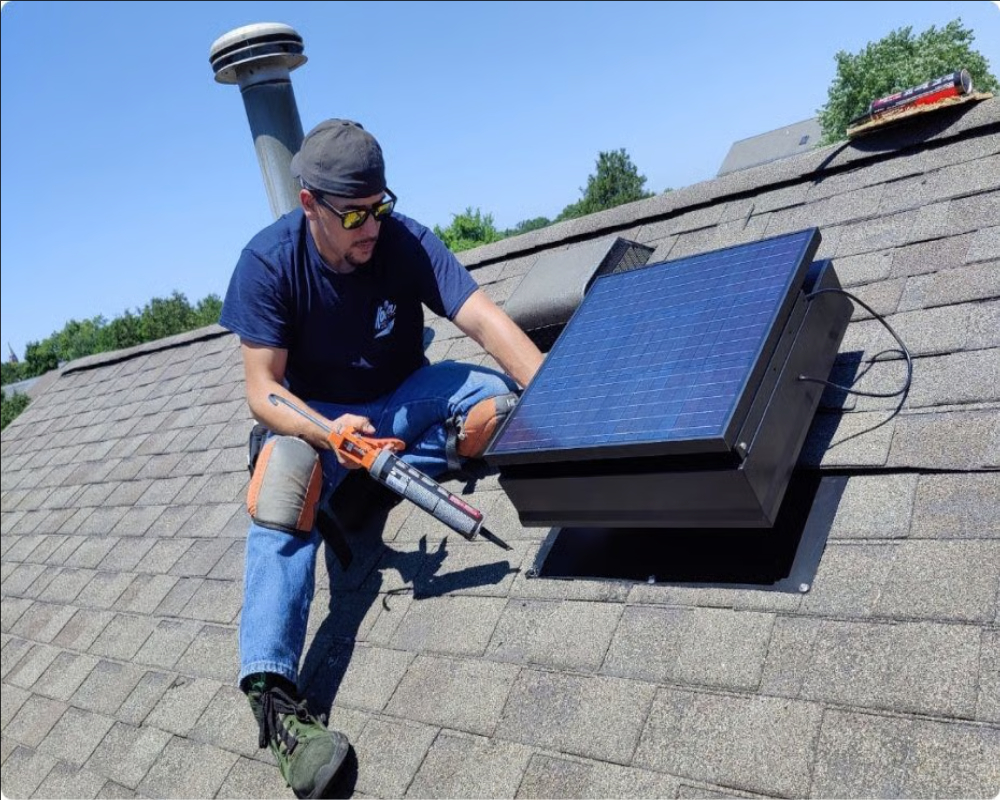
Secondly, choose a reputable supplier to ensure reliable after-sales service. Many homeowners prefer to purchase solar microinverters from authorised dealers known for their reliability. Furthermore, professional installation helps utilise the full advantages of a residential microinverter. At the same time, proper wiring and location layout can significantly improve the operational stability of the solar microinverter.
Matching Residential Miniature Solar Inverters with Panel Power
Residential miniature solar inverters are designed specifically for distributed residential solar panels. Before purchasing, accurately calculate the total power of your solar array. Then, select a microinverter that matches it to ensure coordinated operation of the entire system. In addition, flexible matching functions allow residential microinverters to be compatible with most mainstream residential solar panels.
Miniature solar microinverters occupy little space but require scientific installation. On the one hand, installers need to arrange ventilation openings to facilitate heat dissipation. On the other hand, standardised leakage and power loss. Furthermore, proper installation can maximise the energy efficiency of the solar microinverter, reducing household electricity bills in the long run.