

If you are considering purchasing a portable solar charger—or are simply curious about exactly how long it takes to charge your devices—I will provide a detailed breakdown of this topic below. I will also offer practical tips to help you maximise the efficiency of your solar charger, whether you are camping, hiking, or simply in need of a backup power source. This guide will prove to be both highly helpful and insightful for you.
Perfect Conditions vs. Real-Life Charging Times
Let’s start with the best-case scenario. If you’re charging under perfect conditions—bright, full sun at noon—charging is pretty fast. For a 10W solar charger, it should take around 4–6 hours to fully charge your device. If you go for a 20W charger, it’ll speed things up to about 2–3 hours. For a mobile phone, you’re looking at 1.5 to 3 hours to top it off, depending on your phone model and battery size. Sounds good, right? But here’s the reality: it’s not always perfect.
In real life, the weather can mess things up. If it’s cloudy or you’re in a shady spot, charging time can easily stretch out. With a 10W charger, you might be waiting around 8–12 hours. On days when the clouds are thick, or you’re hiding in a shaded area, that could drag out to 15 hours. If you’re trying to charge a tablet or power bank with a 20W charger, it could take 5–8 hours, again depending on how much sun you’re getting. And here’s something important: larger devices always take longer to charge than smaller ones. So if you’re charging a 10,000mAh power bank or a tablet, it’ll take more time than charging your phone.

How to Speed Up Your Solar Charging
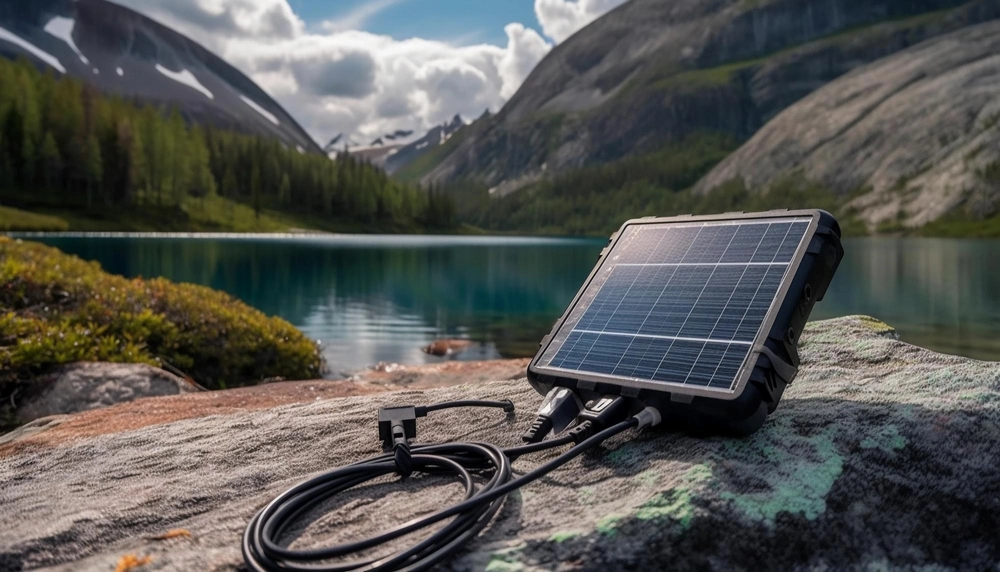
If you’re looking to speed up the charging process of your charger portable solar, there are a few tricks that can help you get the most out of your solar power. By following these simple tips, you’ll ensure that your devices charge faster and more efficiently.
Maximise Sun Exposure
The more sunlight your solar charger receives, the faster it will charge. To get the best results, make sure your charger is always facing the sun directly. Move it around every couple of hours to adjust the angle and catch as much sunlight as possible. Don’t forget to keep the solar panel clean—dust and dirt can block sunlight and slow down the charging process. A quick wipe now and then can make a big difference in efficiency.
Use a More Powerful Charger & Avoid Using Devices While Charging
If you’re charging larger devices like a tablet or laptop, switch to a 15W or 20W charger. A 10W charger is perfect for phones, but it won’t be enough for bigger devices. By using a more powerful charger, you’ll get faster charging times.
Also, avoid using your device while it’s charging. If you’re watching videos, playing games, or using your device for any other tasks, it will slow down the charging process. Let your device charge undisturbed, and it’ll reach full capacity much quicker.
With these simple steps, you’ll significantly speed up your solar charging experience, making sure your devices stay powered up without any unnecessary delays!
FAQs About Portable Solar Chargers
- How long does it take to fully charge a solar charger?
It depends on the wattage and sunlight, but in ideal conditions, a 10W charger takes about 4–6 hours, and a 20W charger takes 2–3 hours. - Does the charger work on cloudy days?
Yes, but it’ll take 1.5 to 2 times longer in cloudy or shaded conditions. - Can I use my device while charging it with solar power?
It’s best not to. Using your device while charging will slow things down. - How does temperature affect solar charging?
Your charger works best between 59°F (15°C)and 95°F (35°C). Anything too hot or too cold will slow it down. - How can I tell if my solar charger is efficient enough?
Look for a charger with 15%–25% efficiency. The higher the efficiency, the faster the charge.
Maximise Your Charger Portable Solar Performance
So, how long does it take to charge a portable solar charger? Well, a lot depends on factors like sunlight, weather, and the device you’re charging. But by keeping your charger clean, positioning it properly, and using the right charger for your device, you can speed up the process and get the most out of your solar power.
Whether you’re outdoors for a hike, camping, or just need an off-grid solution, a portable solar charger can be a game-changer. Just make sure you understand how it works and how to optimise your setup for the best results. Stay charged!