
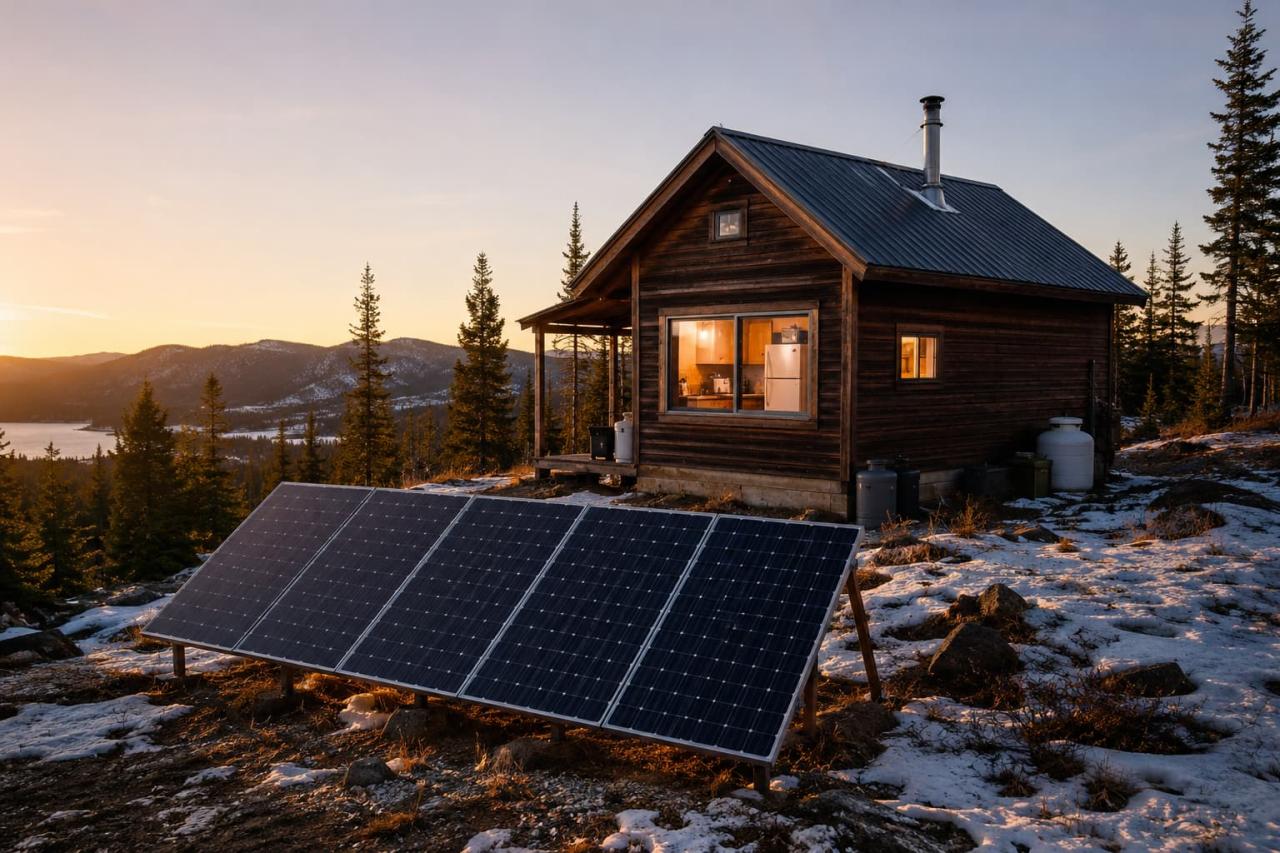
The best solar panels for off grid living in 2026 are defined by reliable daily charging, system compatibility, outdoor durability, and installation flexibility. A panel has to support real loads, charge batteries in changing weather, and work with the inverter and controller behind the setup. That may mean a cabin roof, a ground rack, an RV, a camping frame, or a small emergency backup system. Its value depends on how well the panel matches the load, battery bank, mounting location, and local sunlight pattern. Off-grid buyers should assess every panel through that full-system view before comparing prices.
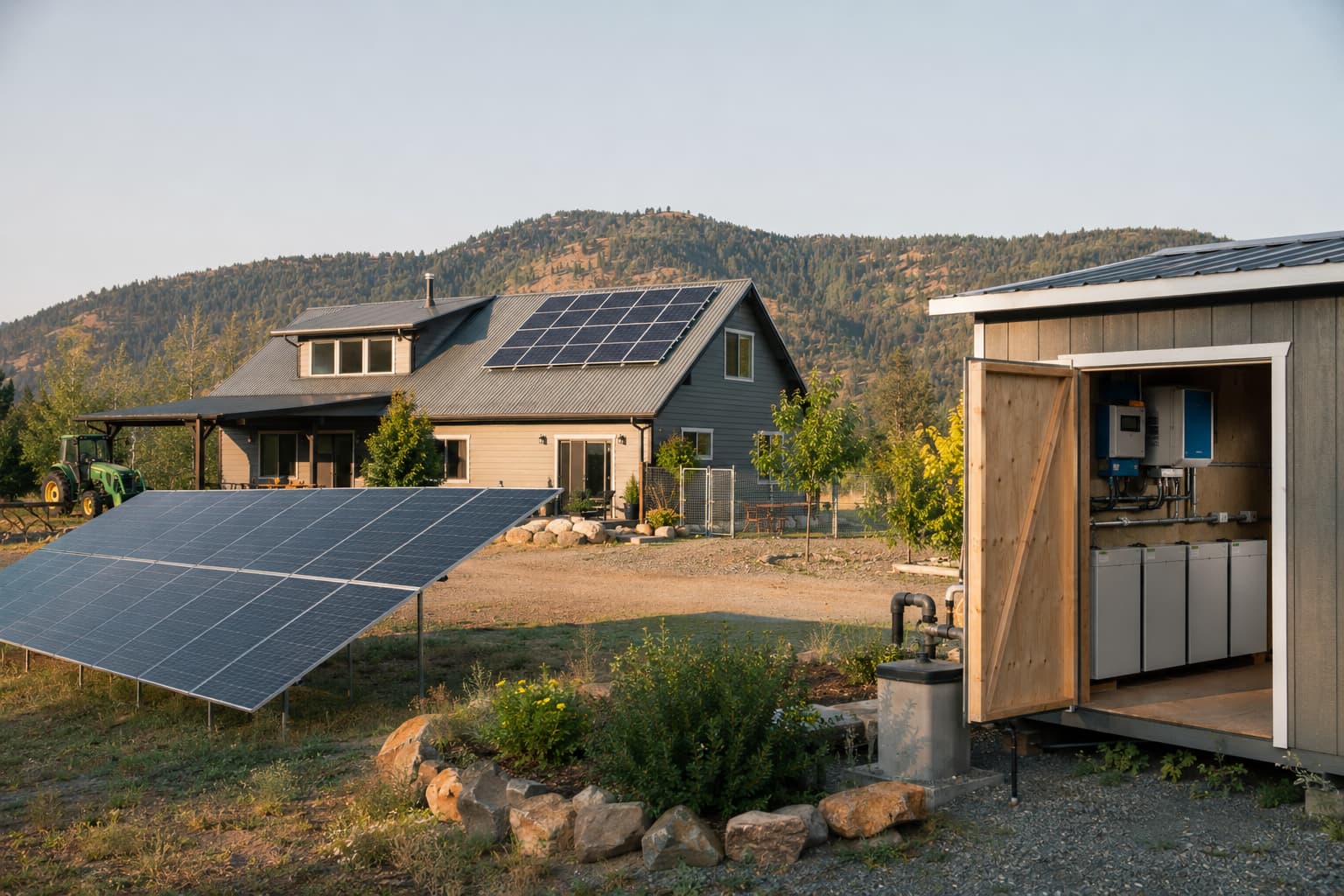
Solar Panels for Off Grid Living Need Reliable Daily Output
Rated wattage is useful, but it is only the starting point. Solar panel ratings are based on controlled test conditions. A real installation has morning and afternoon sun angles, cloud cover, rooftop heat, dust, cable loss, and sometimes partial shade from trees, vents, racks, or nearby buildings. A better buying method starts with daily watt-hours. List the devices that need power, record their wattages, and estimate how long each device runs. A 60W load running for 4 hours requires about 240Wh before accounting for system losses.
Add a margin for inverter loss, battery limits, and lower-sun days instead of sizing the panel around the cleanest weather. This is where off-grid use separates serious planning from wishful shopping. A small camping setup may only need phone charging, LED lighting, and a fan. A cabin may need lighting, a router, a pump, and a compact refrigerator. Those two systems should not be sized the same way, even if both buyers search for solar panels for off grid living.
Battery, Inverter, and Controller Compatibility Comes First
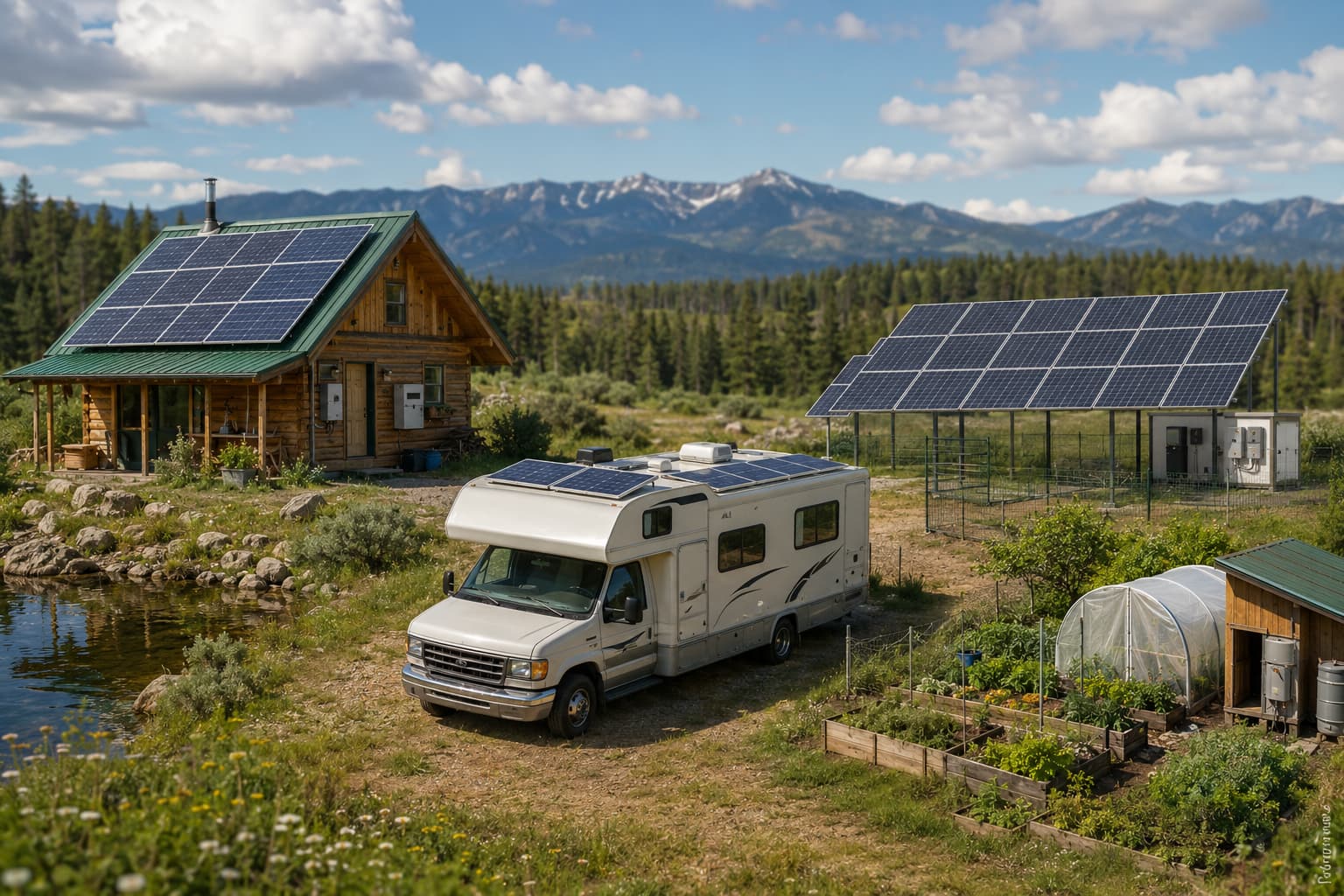
A solar panel does not create a complete off-grid power system by itself. It generates DC electricity, while many household devices and tools use AC power. The inverter handles that conversion. The charge controller regulates battery charging and helps prevent charging problems. The battery stores energy for nighttime use and during poor weather. Before choosing Solar Board or any other panel, check the controller input range, battery voltage, inverter capacity, connector type, and wiring requirements.
If the panel output does not match the controller or battery setup, charging can become inefficient or unsafe. Bigger panels also need the system behind them to handle higher current and voltage. The Solar Board product page states that it is compatible with most inverters, positioning it well for renewable energy projects and backup power setups. Still, buyers should confirm the exact system design before ordering. A panel that works well for an RV or camping frame may require more planning before it can support a cabin with multiple daily loads.
Solar Panels for Off Grid Living Should Fit the Installation Site
Installation location has a direct effect on energy production. Roof-mounted panels can work well on cabins, sheds, and fixed home setups when the roof gets clear sun and has a useful angle. Buyers should check roof direction, shade, airflow, and structural support before choosing the panel quantity. Ground racks can give better control over panel angle and placement. They also make cleaning and maintenance easier, especially in dusty areas or locations with snow. The trade-off is space, wiring distance, and the need for a stable mounting structure.
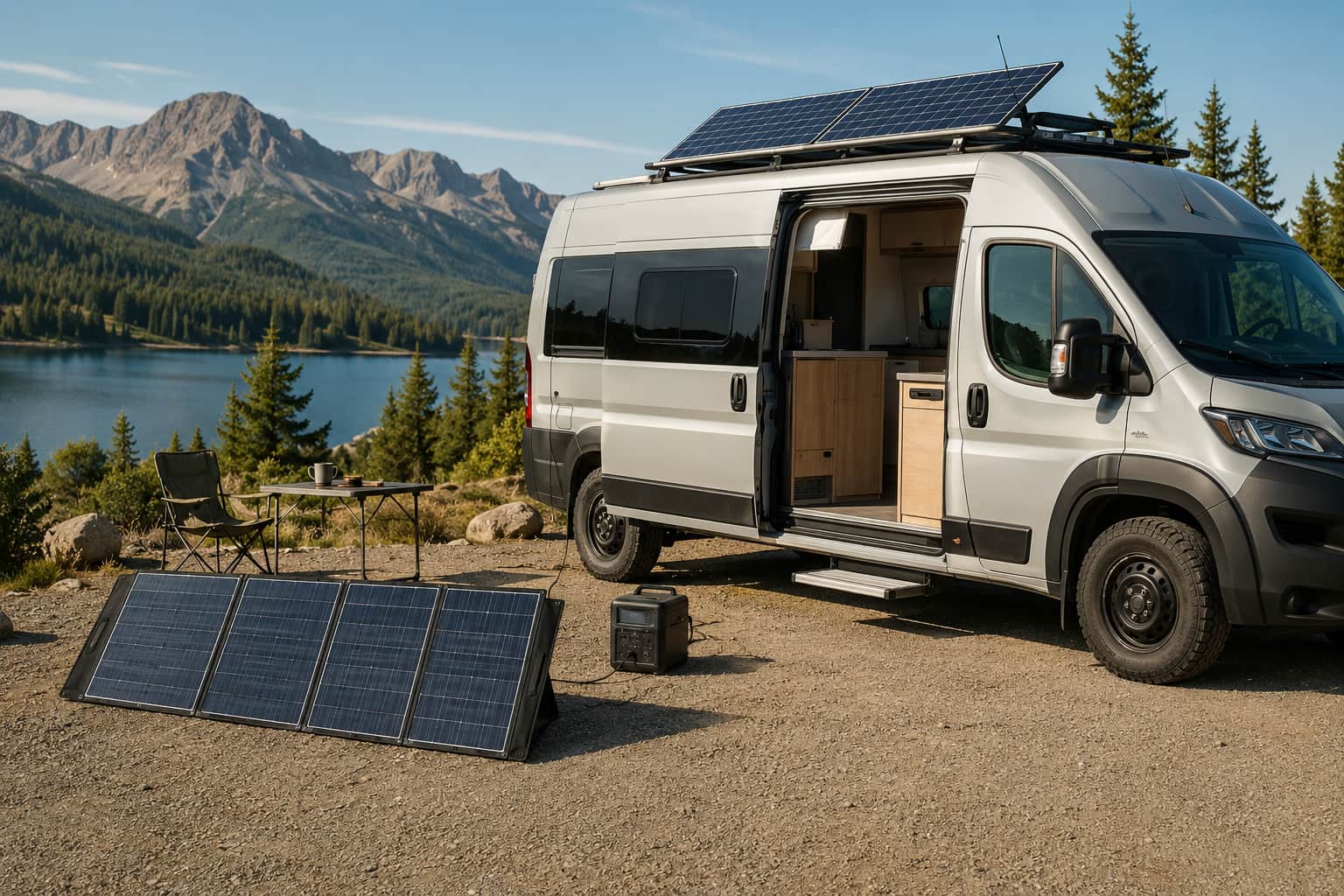
Mobile setups bring a different set of requirements. RVs, camping gear, and temporary outdoor systems need panels that are easier to move, position, and store. Solar Board’s compact, lightweight structure supports this angle, as it can be used on rooftops, ground racks, RVs, and camping setups. Flexible installation matters because the best panel location is often the place with the clearest sun.
Durability and Weather Resistance Decide Long-Term Value
Off-grid solar panels often sit in places where service is less convenient. A remote cabin, outdoor equipment site, or mobile setup cannot rely on quick maintenance whenever rain, heat, or dust causes trouble. That makes build quality part of the buying decision. Solar Board is described as a durable panel designed for outdoor conditions, including heat and heavy rainfall. That supports its use in off-grid projects, emergency backup, and small renewable energy systems.
Buyers should still avoid unsupported assumptions such as “all-weather proof” unless the page provides a specific IP rating, certification, or tested standard. Durability also affects system value. If a panel loses output quickly, cracks due to poor mounting, or needs constant cleaning due to poor placement, the low upfront price starts to look less attractive. Buyers should compare construction, installation methods, warranty information, and access to maintenance before treating price as the final answer.
Features of the best solar panels for off-grid living
Strong off-grid panels share a few clear traits: stable output, outdoor-ready construction, flexible mounting, and compatibility with the rest of the power setup. A panel that performs well on a clear afternoon may still disappoint if shade, heat, weak angle, or poor system matching cuts into daily energy production. Usable output comes first. Buyers need to know how much energy the panel can help produce across a full day, then compare that with battery capacity and device demand.
Construction comes next. Outdoor panels are exposed to heat, rain, dust, wind, and prolonged sun exposure, so a lightweight structure should still feel reliable once installed. System fit matters as much as the panel itself. Off-grid solar usually depends on panels, batteries, a charge controller, an inverter, wiring, and safety equipment working together. If one part is mismatched, the panel cannot make up for it. That is why the best solar panels for off grid living are judged by application, not product claims alone.