
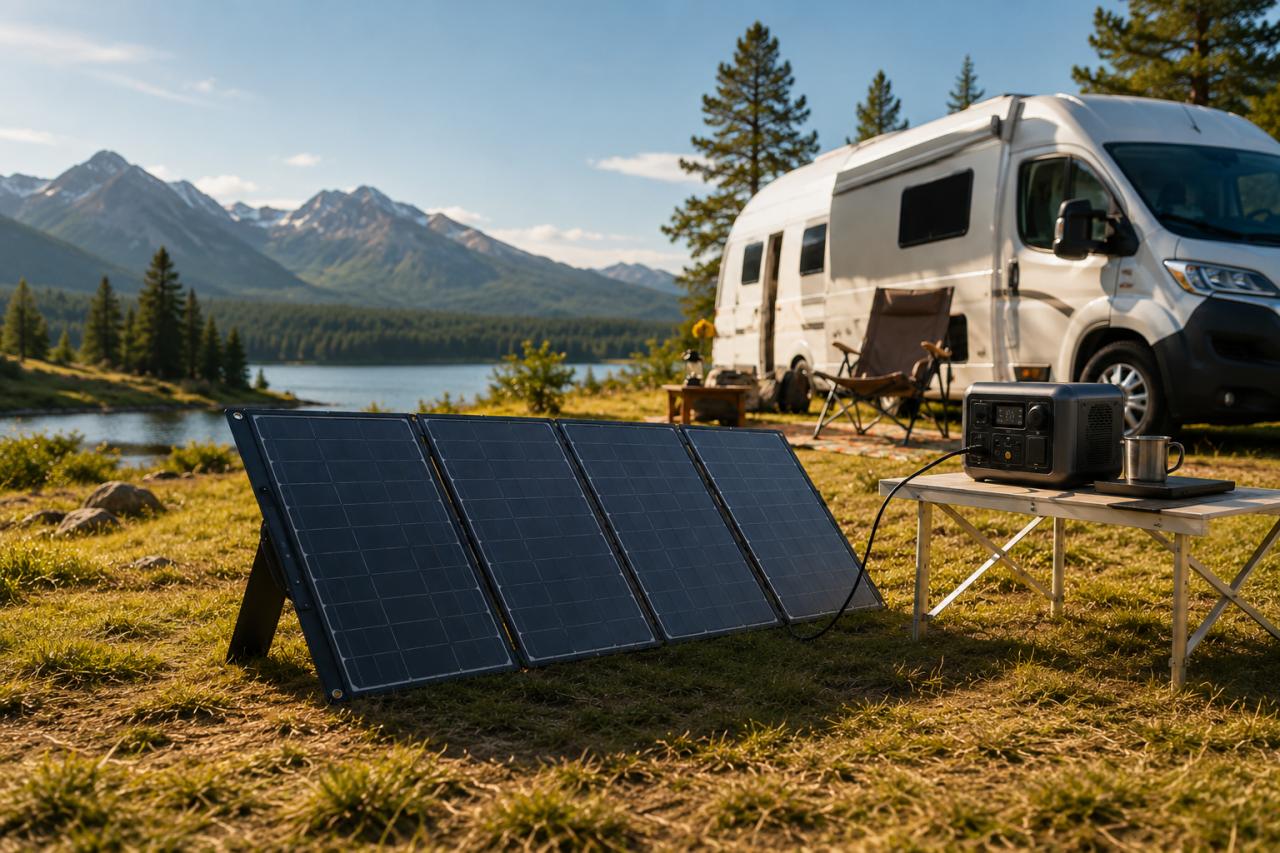
Buying a portable solar panel sounds simple until you start comparing wattage, connectors, battery compatibility, folding size, and outdoor durability. A low-cost panel may look fine on a product page, but it can quickly frustrate you if it charges too slowly, doesn’t match your power station, or feels awkward to carry. The right portable solar panel should match your real power needs, not just the highest number printed on the label. Before you buy, consider how you plan to use it, which devices you need to charge, and whether the panel can support a larger solar setup later.
Know What You Need the Portable Solar Panel to Power
Start with the device or system you want to charge. That decision matters more than panel size, price, or the cheerful marketing language pretending every panel can power your entire life from a picnic table. A small, portable solar panel can power phones, LED lights, small fans, cameras, and other basic outdoor electronics. These uses usually need lightweight panels with simple USB or DC output. Charging speed still matters, but the load stays modest.
A larger setup needs more planning. If you want to charge a portable power station, support RV travel, prepare for backup power, or run a small off-grid project, you need to compare the panel’s output with the battery’s capacity. A low-watt panel can still work, but it may take too long to recharge a large power station under real sunlight. For business users, installers, and project buyers, the question goes beyond one product. You may need the panel to work with batteries, inverters, solar chargers, controllers, or mounting accessories. That is where a single product choice becomes part of a full solar power solution.
Compare Wattage, Real Output, and Charging Speed
Rated wattage gives you a useful starting point, but it does not tell the full story. A 100W, 200W, or 400W panel reaches that rating under controlled test conditions. Outdoor use behaves less politely. Clouds appear. Trees cast shadows. The panel angle slips. Dust collects. The sun, apparently, refuses to behave like a laboratory assistant. That means real output often drops below the rated number. A 100W panel may not deliver 100W for hours at a time. Smart buyers estimate charging time based on practical output, not peak output.
For example, a 500Wh power station connected to a 100W panel may look easy to calculate on paper. In perfect conditions, the math seems simple. In real use, charging losses, changing sunlight levels, temperature, cable resistance, and panel angle can extend charging time. This does not mean the panel performs poorly. It means buyers need realistic expectations.
Higher wattage usually helps when charging larger batteries or powering stations. If you need faster recovery during RV travel, outdoor work, or emergency backup, choose enough panel capacity to recharge within the available sunlight window. In many cases, buying slightly more capacity works better than buying the absolute minimum and then acting surprised when physics refuses to negotiate.
Check Compatibility with Power Stations, Batteries, and Chargers
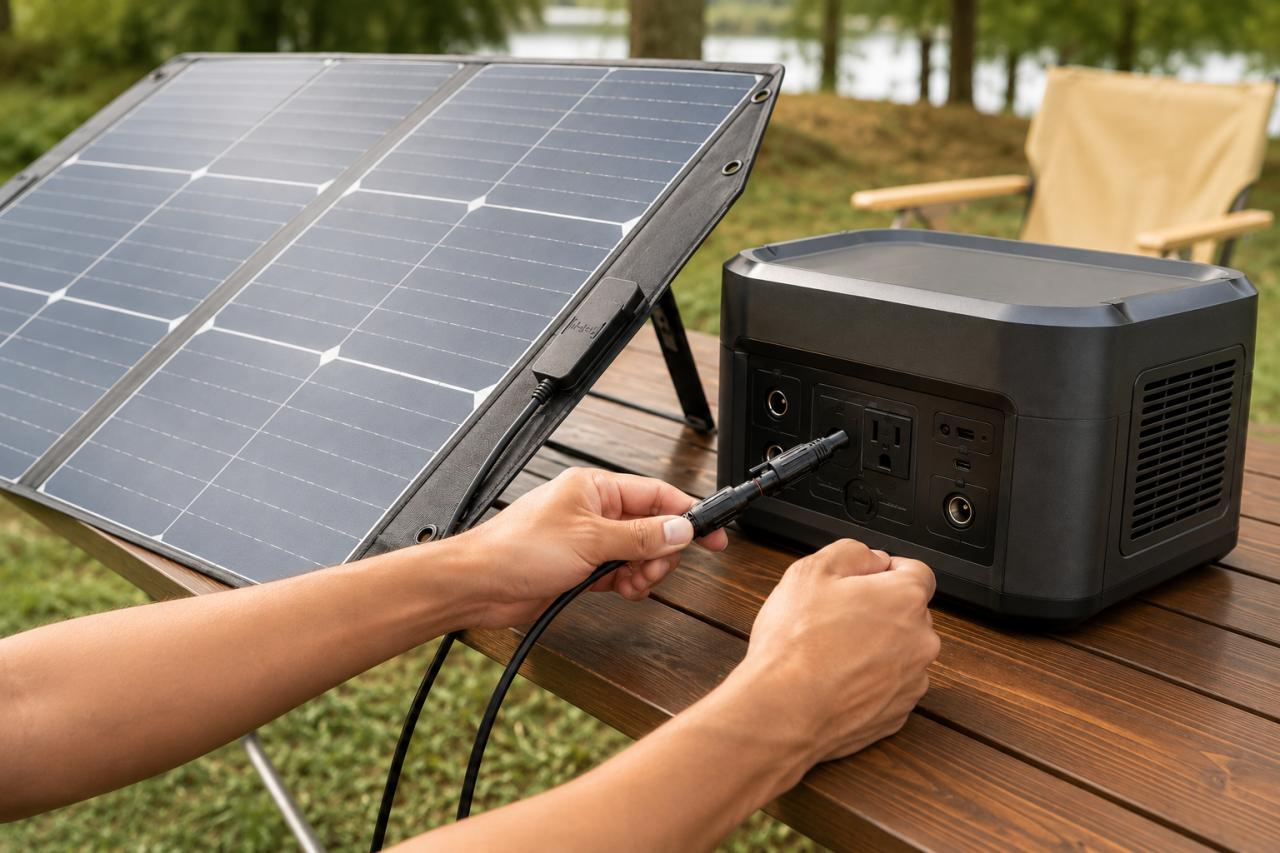
Compatibility can make or break the purchase. A powerful panel helps only when it connects properly to your device. Before buying, check the output voltage, current, connector type, and charging requirements. Common connector types include MC4, DC ports, USB-A, USB-C, Anderson connectors, and brand-specific adapters. Some panels charge small devices directly. Others connect with a portable power station, battery system, or solar charge controller.
You also need to check the solar input limit of the power station or battery system. If the device accepts only a specific voltage range or maximum wattage, the panel must stay within that range. Too little input slows charging. The wrong input range may stop charging completely. Humanity has invented many ways to make cables look compatible while absolutely not being compatible. If you build a larger setup, check whether the panel can work with a charge controller, inverter, or battery bank. For RV use, backup power, and small off-grid systems, this step matters more than the product photo. A clean product image will not help when the connector does not fit.
Look at Portability, Durability, and Outdoor Design
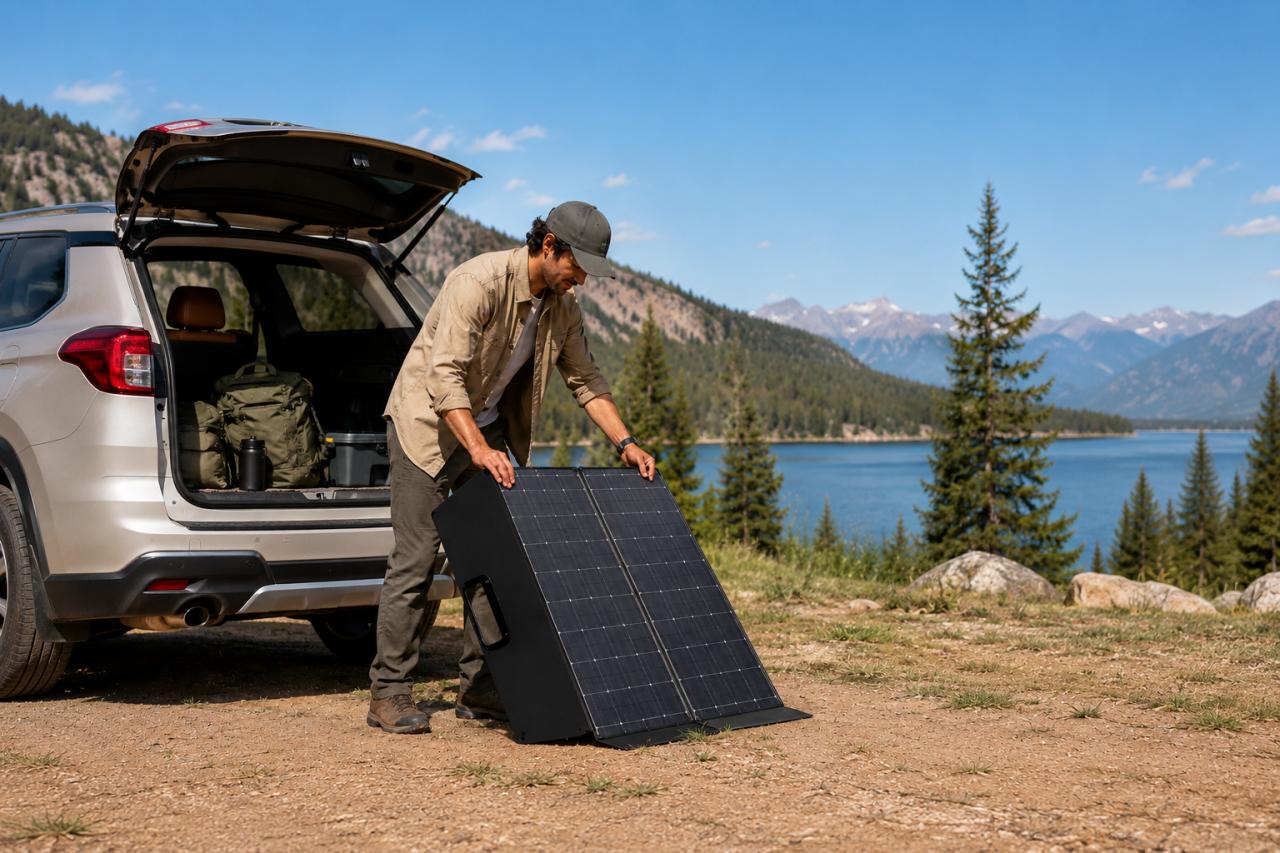
A portable solar panel should be easy to move, unfold, position, and store. That sounds obvious, yet plenty of buyers only check wattage and then discover the panel weighs more or folds larger than expected. A truly portable design needs a reasonable folded size, manageable weight, sturdy handles, stable kickstands, and cable storage that doesn’t turn into a small tragedy every time you pack up. The right size depends on the application. RV users and fixed camping setups can often handle larger panels because they do not need to carry them far. Outdoor workers, campers, and mobile users may prefer lighter foldable panels that set up quickly and fit into limited storage space.
Durability matters just as much. Portable panels work outdoors, so they face dust, moisture, scratches, uneven ground, repeated folding, and cable pulling. Check the panel surface, frame protection, hinge quality, stand strength, and connector housing. A panel that performs well on day one but fails after repeated outdoor use does not save money. It just delays disappointment and gives it a handle. Solar panels use photovoltaic cells to convert sunlight into electricity, so outdoor performance depends heavily on usable light, panel angle, surface condition, and setup quality.
Match the Portable Solar Panel to the Right Application
Different buyers need different panel setups. A panel that works well for weekend camping may not support RV backup power or a small off-grid project.
For Camping and Outdoor Use
Camping users usually need a panel that feels light, folds compactly, and sets up quickly. The panel should charge phones, lamps, cameras, fans, or a small power station without complicated wiring. USB and DC output options can make outdoor use easier. Water resistance, cable length, and stand angle also matter. Campgrounds rarely provide perfect surfaces, and nobody wants to spend half the afternoon adjusting a panel as it belongs in a fragile museum exhibit.
For RV and Backup Power
RV users and backup power buyers usually need higher output and better system compatibility. The panel should work with a larger power station, battery system, or solar charger. Charging speed becomes more important because the system may need to support lights, refrigeration, communication devices, laptops, or other essential loads. For backup use, reliability matters more than the lowest price. A portable panel used during an outage should deploy easily, stay stable outdoors, and match the rest of the power setup before the emergency happens. Testing cables during a blackout shows commitment, but not intelligence.
For Small Off-Grid Projects
Small off-grid projects need more than a single panel. A cabin, outdoor lighting system, temporary worksite, farm shed, or remote monitoring setup may require batteries, inverters, controllers, brackets, and proper cable planning. In this case, buyers should evaluate the panel within the full power system. Consider daily energy use, battery capacity, sunlight hours, installation location, and future expansion. A portable solar panel enables flexible deployment, but it still needs to match the system it supports.
A Better Portable Solar Panel Fits the Whole Power Setup
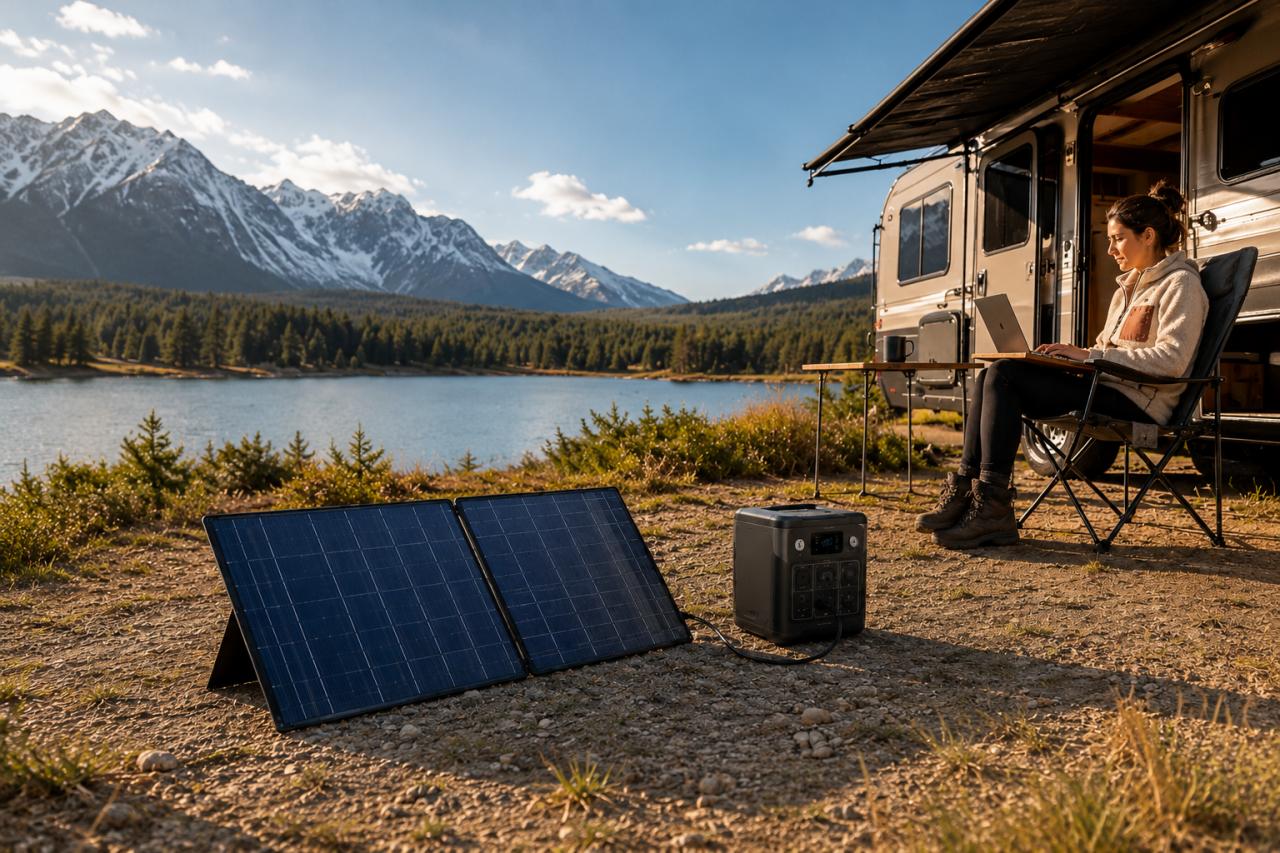
A good portable solar panel does more than offer high wattage. It fits your real load, charging device, outdoor conditions, carrying needs, and future power plans. For small outdoor electronics, a lightweight foldable panel may provide enough power. For RV travel, backup power, or off-grid use, you need stronger output, better compatibility, and more careful system planning. For business buyers or project users, the panel should work as part of a complete solar setup that may include batteries, inverters, chargers, and installation support.
Before you buy, check what the panel needs to power, how fast it must charge, what connectors it uses, how well it handles outdoor use, and whether it can grow with your system. That difference separates a panel that only looks good online from one that actually works when you need it.