
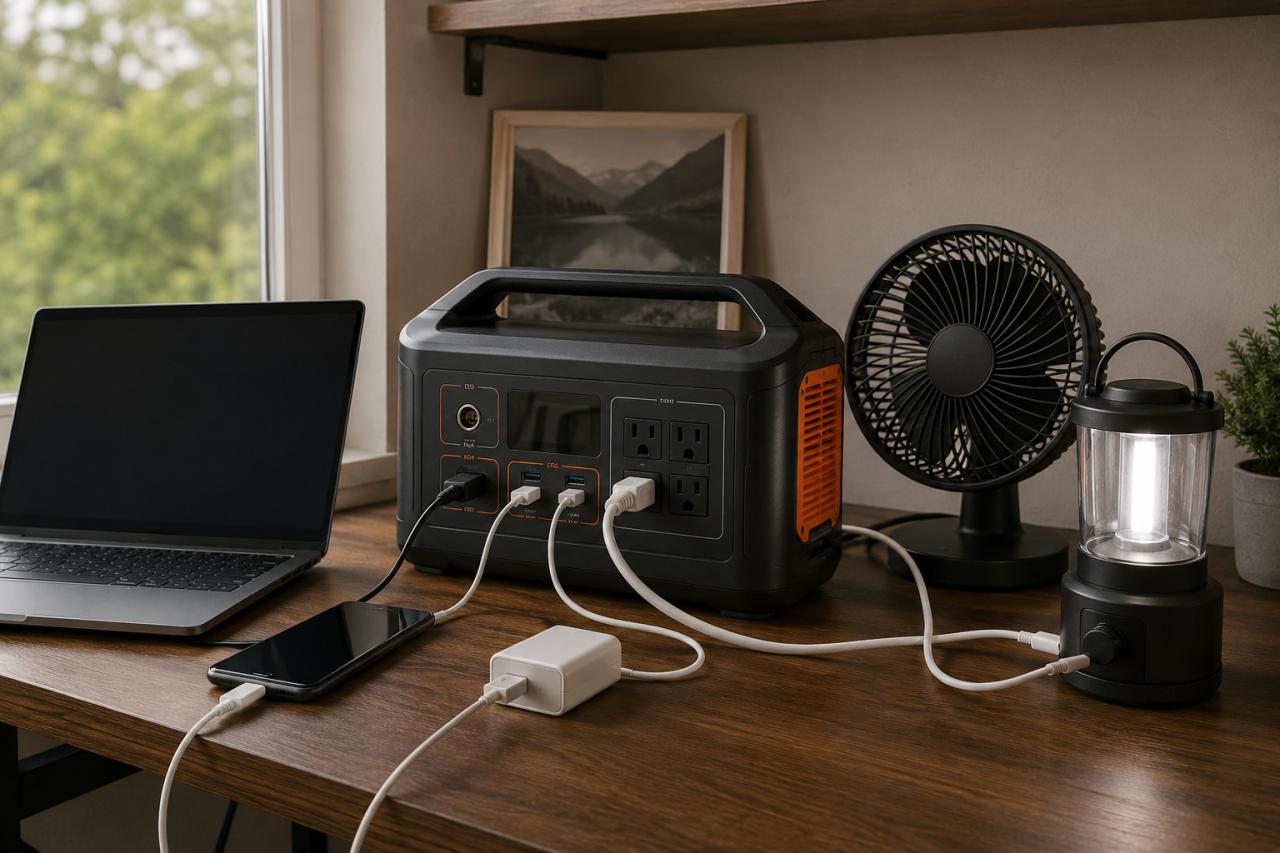
A solar generator for home backup should do more than store power. During an outage, it needs to keep essential household devices running, recharge when sunlight is available, and stay safe for indoor or near-home use. The right features decide whether the system can support a refrigerator, Wi-Fi router, lights, phones, laptops, small fans, or emergency devices when the grid fails. A large battery number may look impressive, but capacity alone does not make a reliable home backup power system. Stable output, usable runtime, solar charging, safety protection, practical ports, and clear monitoring matter more.
Reliable AC Output in a Solar Generator for Home Backup
Reliable AC output is the first feature to check. Most essential home devices need AC power, including refrigerators, lamps, routers, fans, and small appliances. Continuous output shows how much power the unit can deliver steadily. Surge output shows whether it can start appliances with motors or compressors. This matters because a refrigerator may use moderate power while running, but needs a higher surge when starting. A solar generator for home backup should provide sufficient output to power essential loads without shutting down during normal use. If the output is too weak, a large battery will not solve the problem. It will simply sit there, full of power yet useless, because apparently that is something products can do, too.
Battery Capacity for Longer Home Backup Runtime
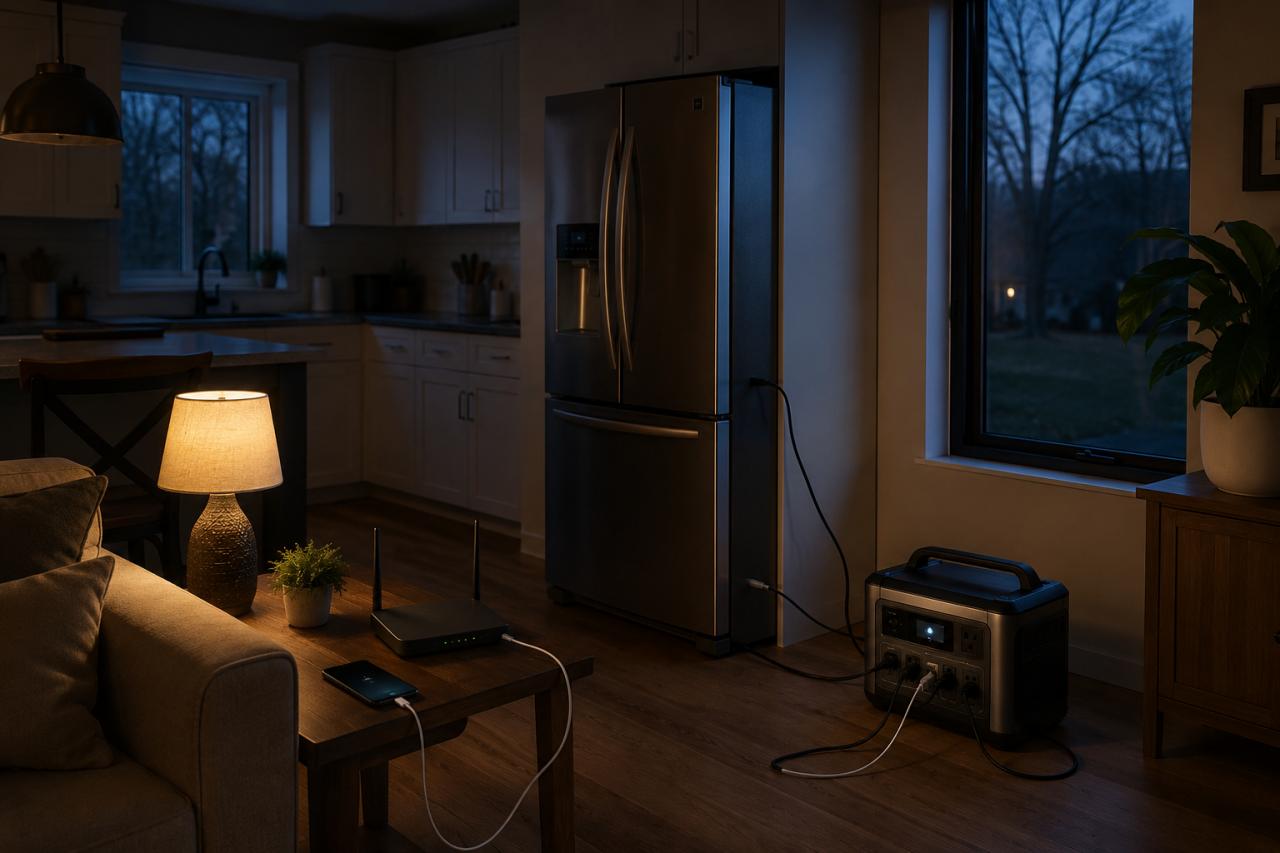
Battery capacity decides how long the system can support home backup loads. A short outage may only require lights, internet, and phone charging. An overnight outage may need enough stored energy to keep a refrigerator, router, and basic lighting running for several hours. Usable capacity matters more than the number printed on the product page. Some energy is lost through conversion, heat, and standby use. The actual runtime depends on the devices connected to the system. A good backup unit should make runtime easy to understand. Users should be able to estimate how long their essential devices can keep running instead of guessing during a blackout, which is a miserable little game nobody asked to play.
Solar Charging Input in a Solar Generator for Home Backup
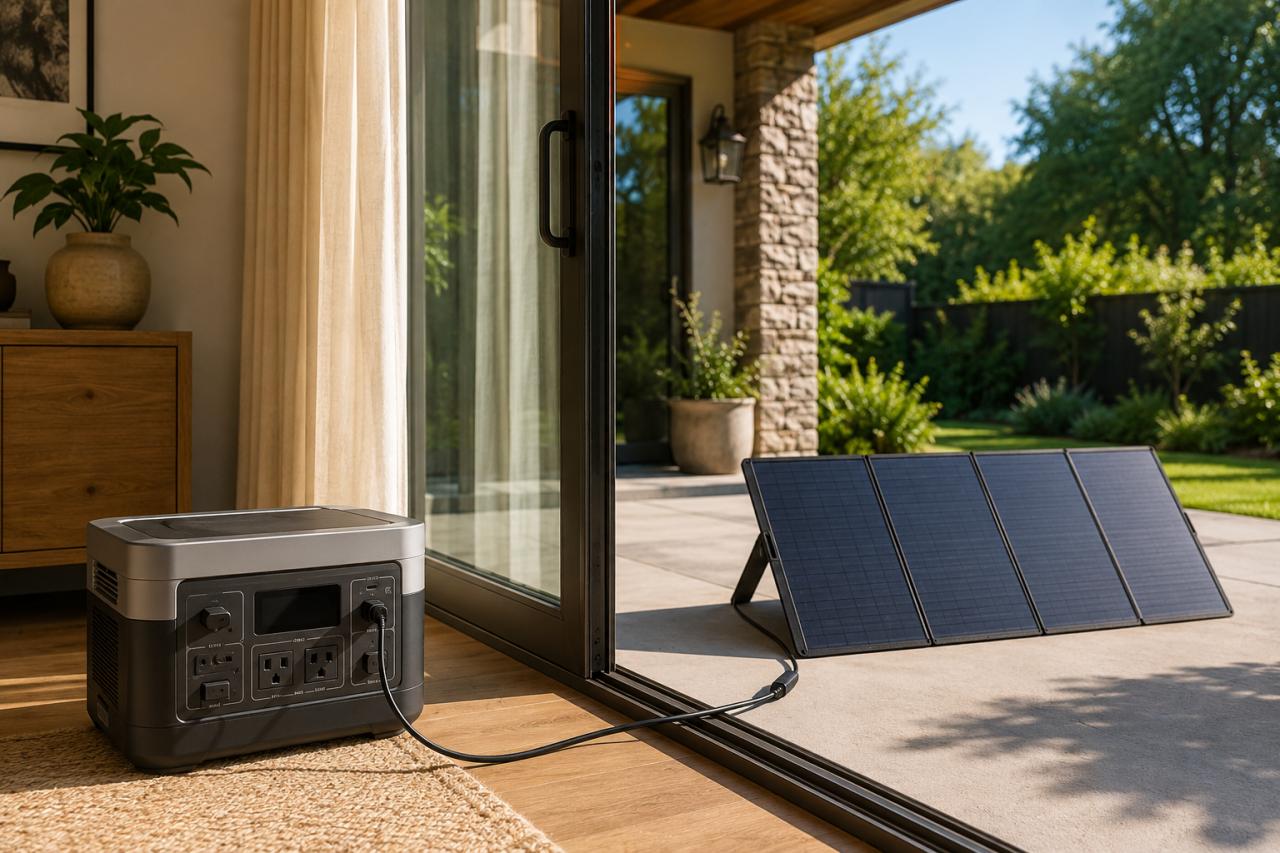
Solar charging input helps the system recover during the day. This feature becomes important when an outage lasts longer than one battery cycle. Higher solar input allows the battery to capture more energy during available sunlight. The unit should support suitable solar panels, a stable input range, and efficient charging under changing sunlight conditions. Real solar output changes throughout the day. Clouds, shade, panel angle, heat, and cable setup can all reduce charging speed. A solar generator for home backup should handle these changes smoothly and show whether power is actually going into the battery.
Multiple Charging Options for Backup Readiness
A home backup system should not rely on only one charging method. Wall charging allows users to prepare the battery before storms, planned outages, or high-risk weather. Solar charging helps during longer outages. Car charging can add another option when movement is necessary. Some units support combined charging, which can reduce recharge time when multiple power sources are available. This feature helps keep the system ready, rather than turning it into another expensive device people forget to charge until the exact moment they need it. For home use, flexible charging makes the system easier to maintain and more useful in different outage situations.
Safe Battery Management in a Solar Generator for Home Backup
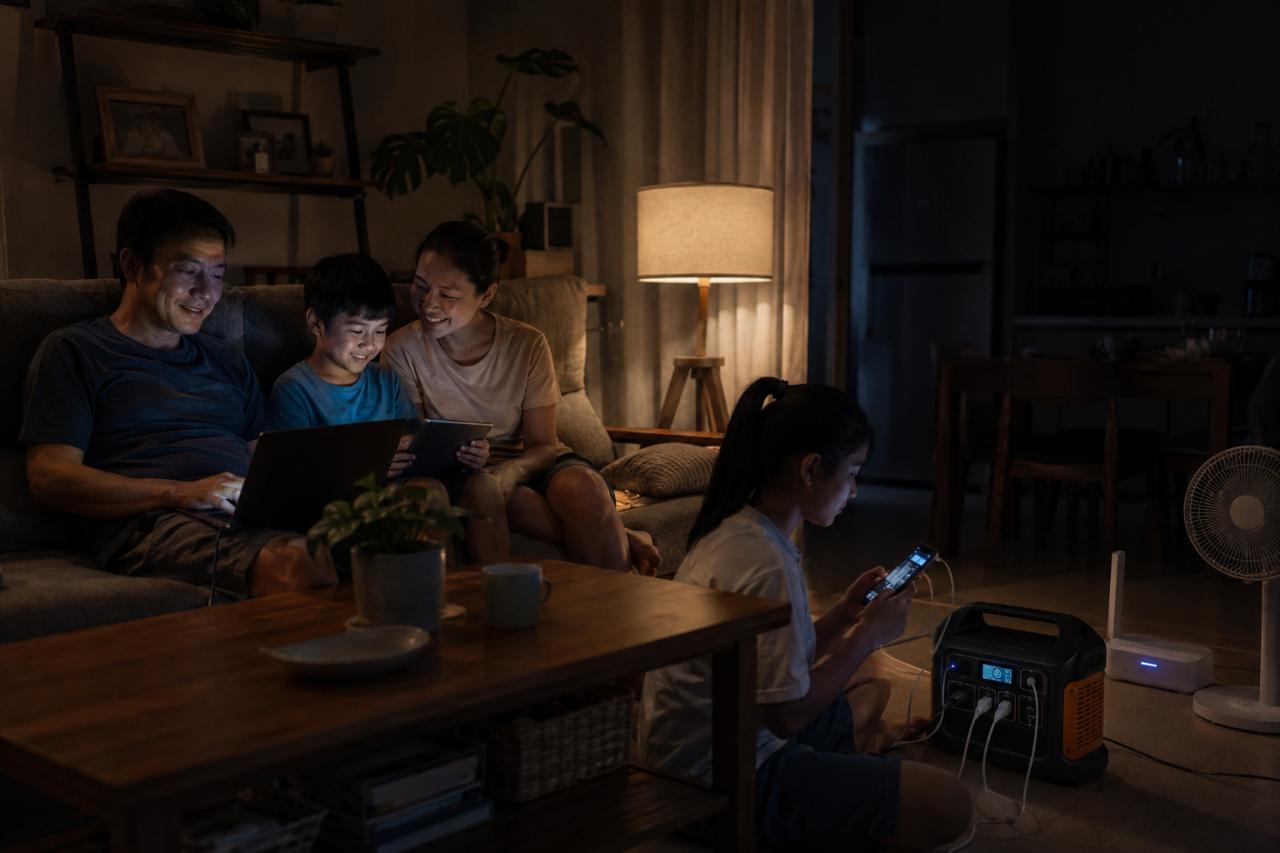
Safety features matter because home backup equipment often operates indoors, in garages, or near living areas. A battery management system helps control charging, discharging, temperature, voltage, and overall battery behavior. A solar generator for home backup should include overload, short-circuit, overcharge, and temperature protection. These features help prevent unsafe operation during long-duration system operation. Thermal control also matters. Quiet cooling is useful at night, especially when the system supports bedroom lights, medical devices, routers, or small fans. Backup power should solve the outage problem, not create a new one with heat, noise, or unstable performance.
Practical Ports for Daily Emergency Devices
Useful ports make the system easier to use during a power outage. AC outlets support home appliances. USB-A and USB-C ports support phones, tablets, laptops, cameras, and small electronics. DC output may support certain low-voltage devices. The number of ports should match common home backup needs. More ports are not automatically better if the system cannot support the total load. Port layout also matters. Users should be able to connect several devices without blocked plugs or awkward adapters. For daily emergency use, practical port design means the system can support essential devices quickly and cleanly.
Clear Monitoring in a Solar Generator for Home Backup
Clear monitoring helps users manage power during an outage. A good display should show battery percentage, input power, output power, estimated runtime, and warning alerts. This information helps users decide whether to reduce load, add solar panels, or keep only the most important devices connected. App monitoring can also help when the unit sits in a garage, utility room, or another part of the home. A solar generator for home backup should not leave users guessing about what is happening. Clear data makes backup power easier to control.
What Features Matter Most in a Solar Generator for Home Backup?
The most important features are stable AC output, sufficient battery capacity, robust solar charging input, multiple charging options, safe battery management, practical ports, clear monitoring, and the option for capacity expansion. A solar generator for home backup should not be judged by battery size alone. It should deliver stable power, support essential household devices, recharge from solar panels, protect the battery, and show clear working data during an outage. For broader system planning, stand-alone renewable energy systems also show why storage, power conditioning, and system controls matter in backup applications. The right system keeps the most important devices running when the grid fails. That is the real purpose of home backup power. Everything else is decoration wearing a spec sheet.