
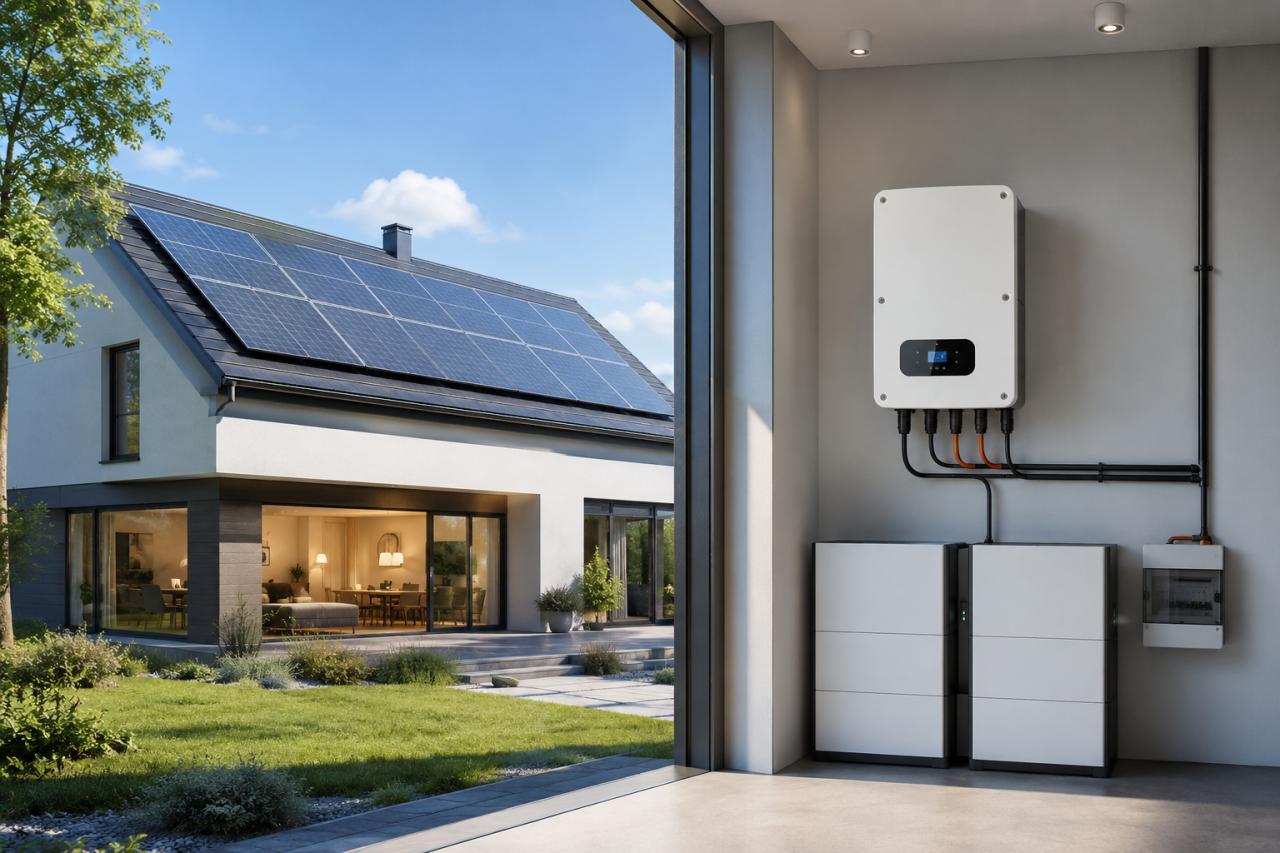
A solar battery storage system cannot work well by battery capacity alone. The domestic inverter must also match the home’s actual power demand, battery voltage, solar charging input, and backup runtime. The battery stores energy. In a home solar system, the domestic inverter functions as a solar inverter, converting stored DC power into AC power for household devices. If the battery is large but the inverter output is too low, appliances may fail to start. When the inverter is powerful, but the battery is too small, backup time becomes short. A reliable system needs the inverter, battery, and solar input to work together. Output power, surge power, usable battery capacity, voltage range, and charging speed all affect the final result.
Start Load Calculation Before Choosing a Domestic Inverter
Before choosing a domestic inverter, users need to list the devices that must keep running during an outage. This step should come before comparing inverter size or battery capacity. Most homes only need essential backup loads. These may include a refrigerator, lights, a Wi-Fi router, phone chargers, a laptop, aa a small fan, aa a security device or a water pump. With proper calculation, these devices can often work with a moderate backup system. Whole-house backup is different. Air conditioners, ovens, heaters, washing machines, and large pumps need much more power. Running these appliances requires a larger inverter, larger battery storage capacity, and stronger wiring.
Separate Essential Loads From Heavy Appliances
Essential loads decide the minimum system size. A home that only needs lighting, internet, refrigerator support, and device charging does not need the same setup as a home that runs heavy appliances. This separation prevents oversizing. A larger inverter may look safer, but it costs more and may use more standby power. Users should size the system around real backup needs, not around the biggest number printed on a product page. For users comparing hardware, a home solar inverter should be evaluated based on output power, voltage range, battery compatibility, and backup demand.
Match Domestic Inverter Output With Real Home Demand
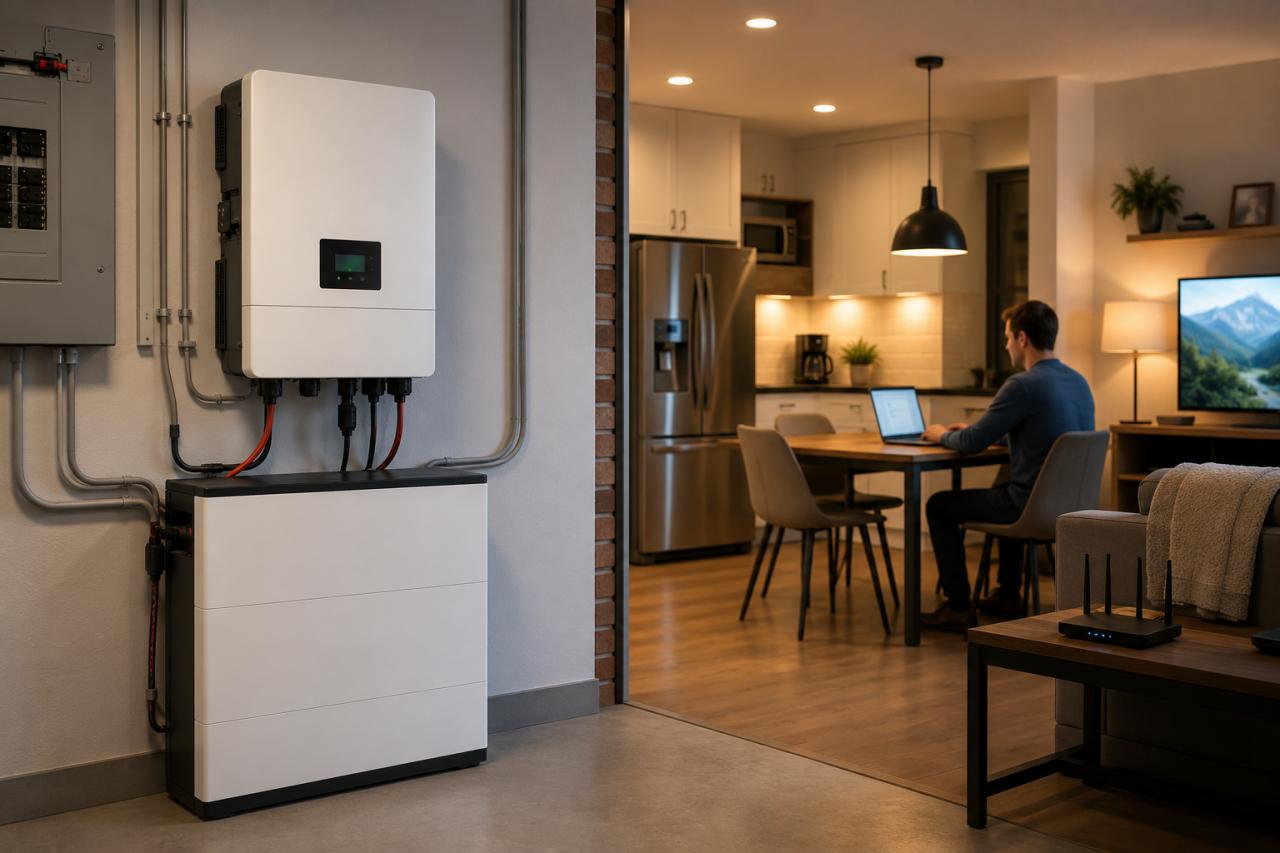
The output rating of a domestic inverter shows how much power it can supply at one time. This number is usually shown as 3kW, 5kW, 8kW, or higher. A 2–3kW inverter may support basic backup loads such as lights, Wi-Fi, phone charging, a laptop, and limited refrigerator use. For homes that need several devices running together, a 5kW inverter is usually more practical. Heavier backup loads may require an 8kW or larger inverter. The goal is not to choose the biggest inverter. The better approach is to match the inverter output to the total load that may run simultaneously.
Check Continuous Output on a Domestic Inverter
Continuous output means the power the inverter can provide steadily. If the home load is close to the inverter limit, the system may overload, shut down, or run with poor stability. For example, if several essential devices together need 3.5kW of running power, a 3kW inverter is not enough. Some output margin is needed, especially when devices turn on and off throughout the day. Leaving headroom also reduces stress on the equipment. A system that runs at its limit all the time may work on paper, but real homes rarely behave that neatly。
Check Surge Power Before Sizing a Domestic Inverter
Some appliances need more power when they start than when they run. Refrigerators, pumps, fans, and motor-based devices often create a startup surge. A refrigerator may draw around 150 watts at startup, but the compressor may need several times that power for a short moment. If the domestic inverter cannot handle that surge, the refrigerator may fail to start even when the battery still has enough stored energy. This is why battery capacity alone does not prove that the system can run the home. A large battery connected to a weak inverter can still fail during startup.
Match Solar Battery Storage With Backup Runtime
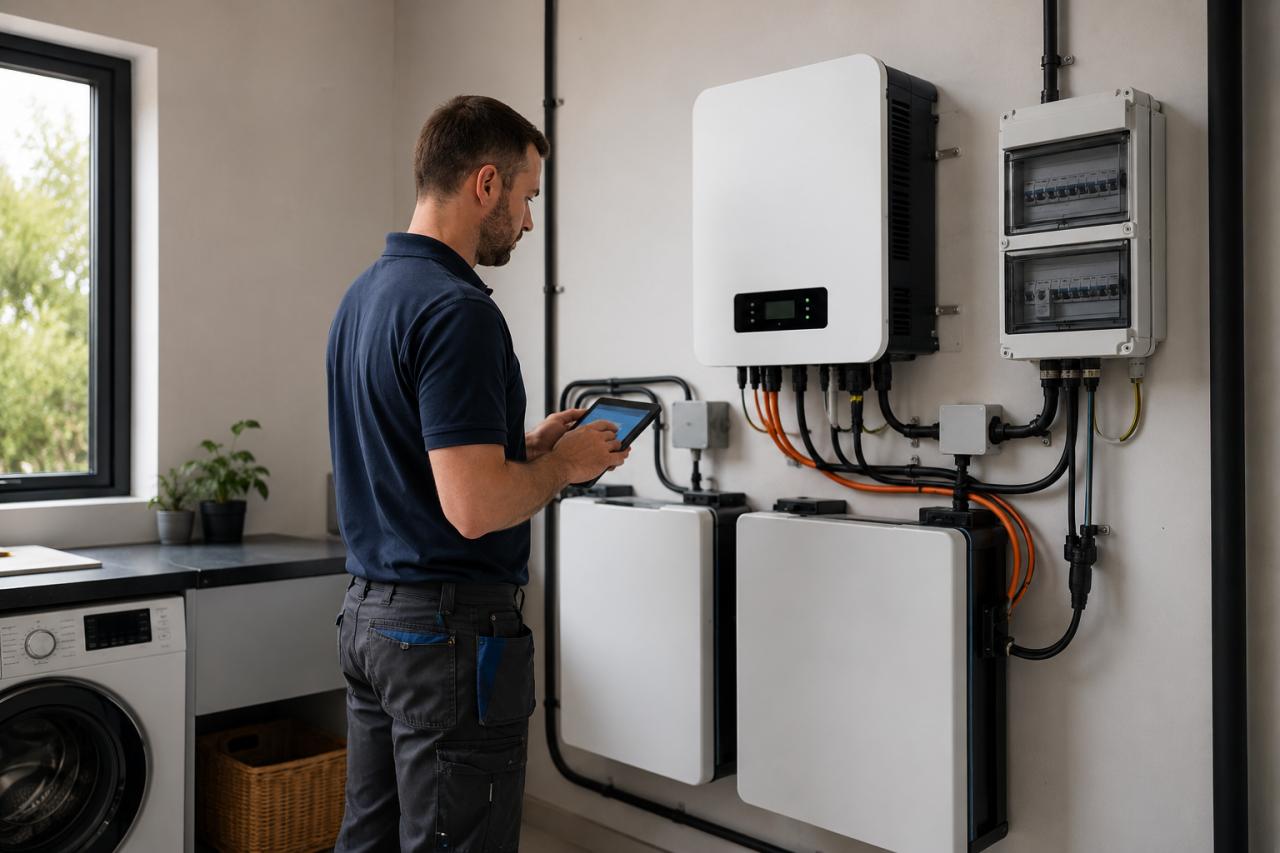
Solar battery storage capacity is usually measured in kWh. This number shows how much energy the battery can store. To estimate backup time, users need to calculate how much energy their devices use. The basic formula is: device watts × use hours = watt-hours
If a refrigerator uses an average of 150 watts for 10 hours, it needs about 1.5kWh. Lights using 60 watts for 5 hours need 300W. A Wi-Fi router that uses 15 watts for 10 hours needs 150 Wh. After adding these loads, users should include a 20–30% reserve. Real systems lose energy due to inverter conversion losses, standby power, wiring losses, temperature fluctuations, and battery discharge limits.
Give the Domestic Inverter Enough Battery Reserve
If essential loads need about 3kWh per day, a 3kWh battery may feel too tight in real use. A 4–5kWh battery gives better backup stability. For longer outage support or more devices, 5–10kWh may be more practical. Usable capacity matters more than the number on the label. A 5kWh battery may not provide the full 5kWh for home use because depth of discharge, battery settings, and inverter efficiency can reduce available energy. The inverter and battery should be matched as one system. One large number does not make the whole setup reliable, no matter how clean the product table looks.
Check Voltage and Charging for a Domestic Inverter
Battery voltage must match the domestic inverter input range. Common systems include 12V, 24V, 48V, and high-voltage battery storage. Small backup systems may use lower-voltage batteries. Home solar storage systems often use 48V or high-voltage batteries because they support higher power output and better efficiency. If the battery voltage does not match the inverter voltage, the system may not start. It may also trigger protection mode, reduce efficiency, cause overheating, or pose safety risks. Users should check both the inverter and battery datasheets before purchase.
Solar Input Must Match Battery Storage
If the inverter is a hybrid model, compatibility with solar charging also matters. Users need to check the MPPT voltage range, maximum solar input power, battery charging current, and supported battery type. Solar input should match daily energy use. If a home uses 4kWh from the battery each day, the solar array should be able to replace that energy under normal sunlight conditions. Low solar input can cause the battery to fall behind after repeated use. For solar recharging, the solar panel should provide sufficient daily power to support the battery storage system.
Choose the Right Domestic Inverter and Battery Setup
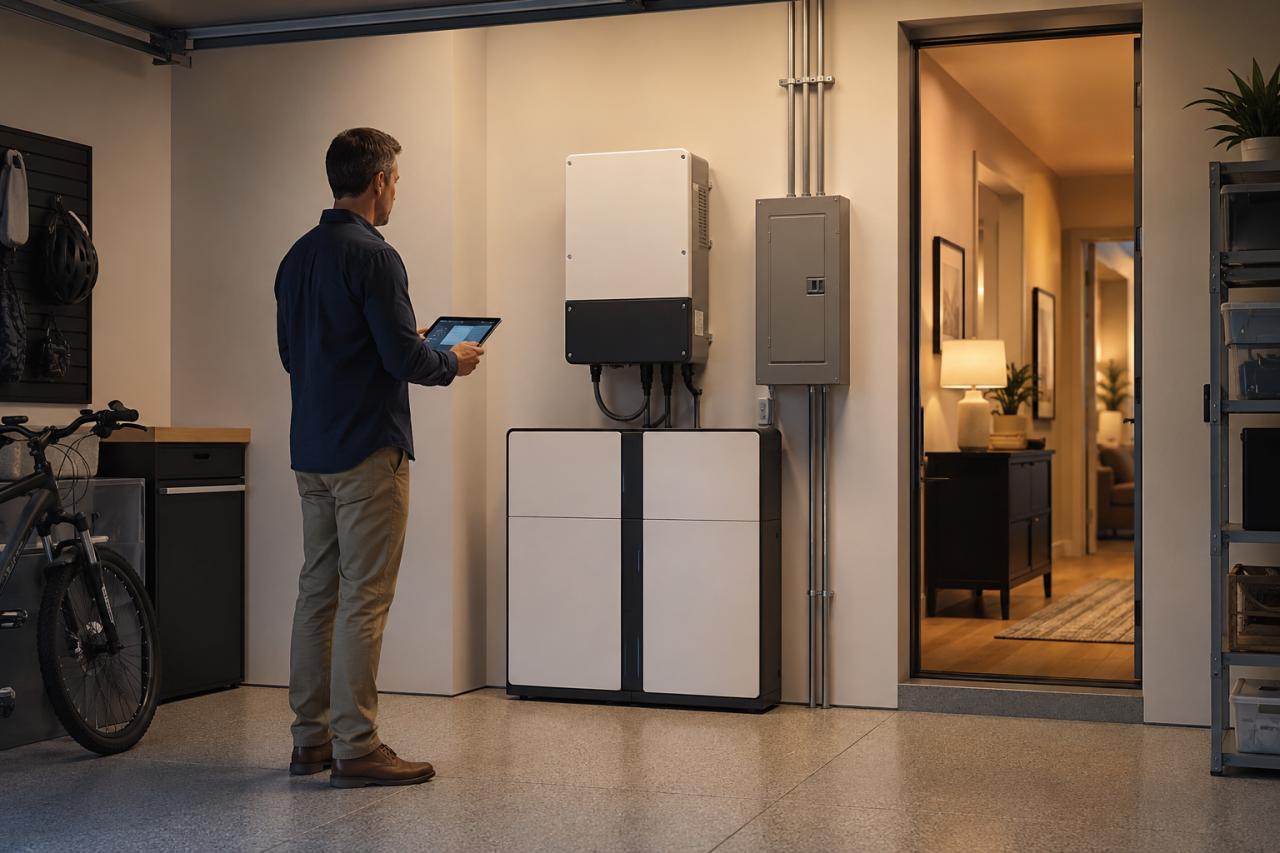
A good system should balance inverter output, battery capacity, voltage, and solar charging. Choosing one large number is not enough. For small backup use, a 2–3kW domestic inverter with 2–5kWh battery storage can support lights, Wi-Fi, phone charging, a laptop, a small fan, and limited refrigerator use. For basic home backup, a 5kW inverter with 5–10 kWh of battery storage can support more household devices simultaneously. For longer backup or heavier loads, an 8kW or larger inverter with 10kWh or more battery storage may be needed. Users still need to confirm surge load, discharge rate, wiring design, and solar recharge speed.
Users can compare related solar products before matching the inverter, battery, panel, and backup power setup. Before choosing a system, users should check daily load demand, continuous inverter output, surge output, usable battery capacity, battery voltage, solar input power, charging current, and reserve margin. A domestic inverter matches solar battery storage when the system can power the right devices, run for the expected time, and recharge without falling behind. The battery decides how long the home can run. The inverter decides what the home can run. Both need to match the real power demand.