
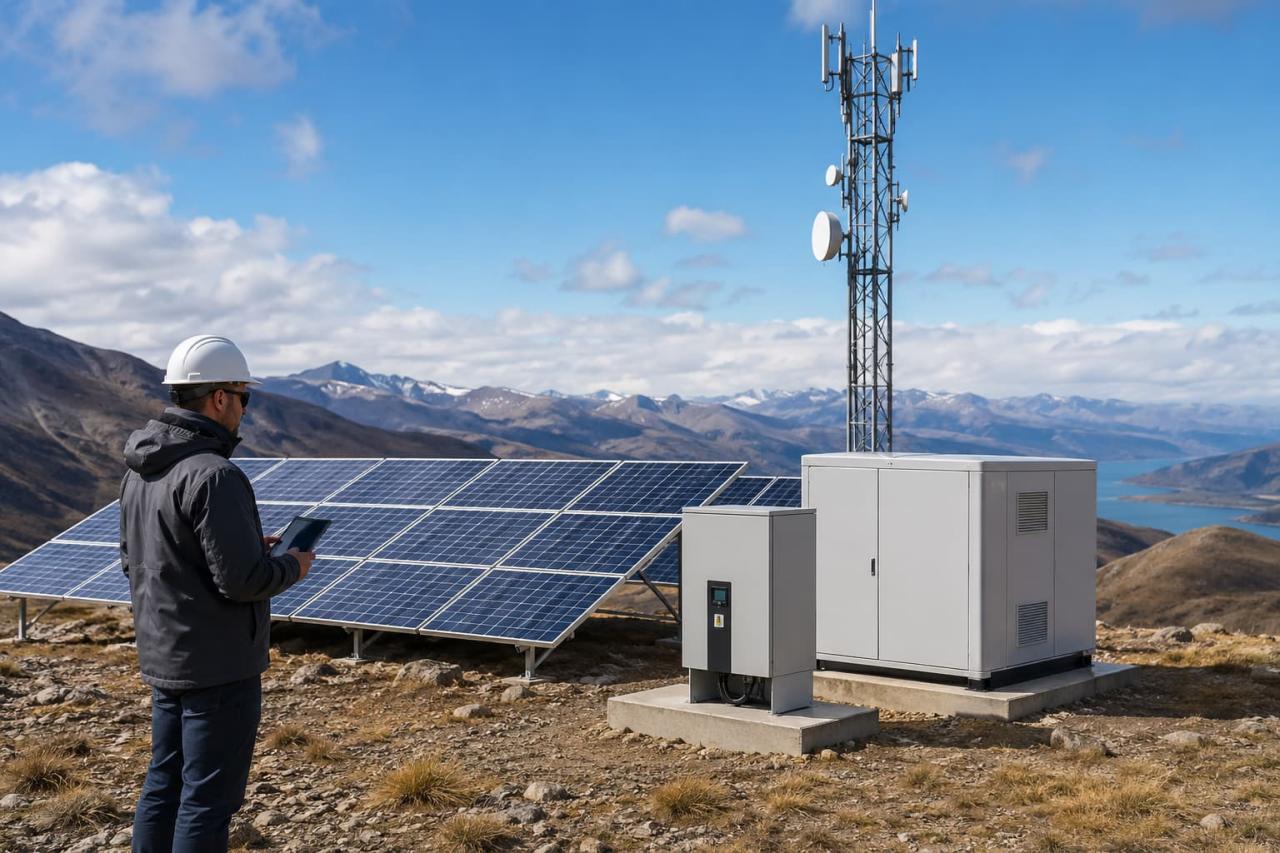
An Off Grid Solar Power System requires more than selecting solar panels and batteries. The final performance depends on load calculation, battery capacity, inverter selection, charging conditions, and expected backup time. For homes, remote facilities, RV projects, and commercial applications, properly designed solar backup power solutions can help maintain a stable energy supply during outages and periods of high demand. Poor planning can lead to short backup periods, slow charging, or system failures when users need power most. Buyers should evaluate energy requirements, installation conditions, and system compatibility before choosing equipment.
Load Planning Determines Off Grid Solar Power System Size
The first step in designing an Off Grid Solar Power System is understanding how much energy the site actually uses. Many buyers focus on major appliances but overlook smaller devices that operate for long periods. Routers, lighting systems, monitoring equipment, pumps, fans, chargers, and control devices can create continuous power demand. These smaller loads may consume a significant amount of energy over the course of a full day. Before requesting a quotation, buyers should separate required loads from optional loads.
Priority loads may include:
- Refrigerators
- Communication equipment
- Medical devices
- Security systems
- Water pumps
High-power equipment such as air conditioners, heaters, and industrial tools may require larger inverters, additional batteries, or scheduled operation. A clear load list helps suppliers design a system based on actual usage instead of estimated demand.
Battery Capacity Defines Off Grid Solar Power System Backup Time
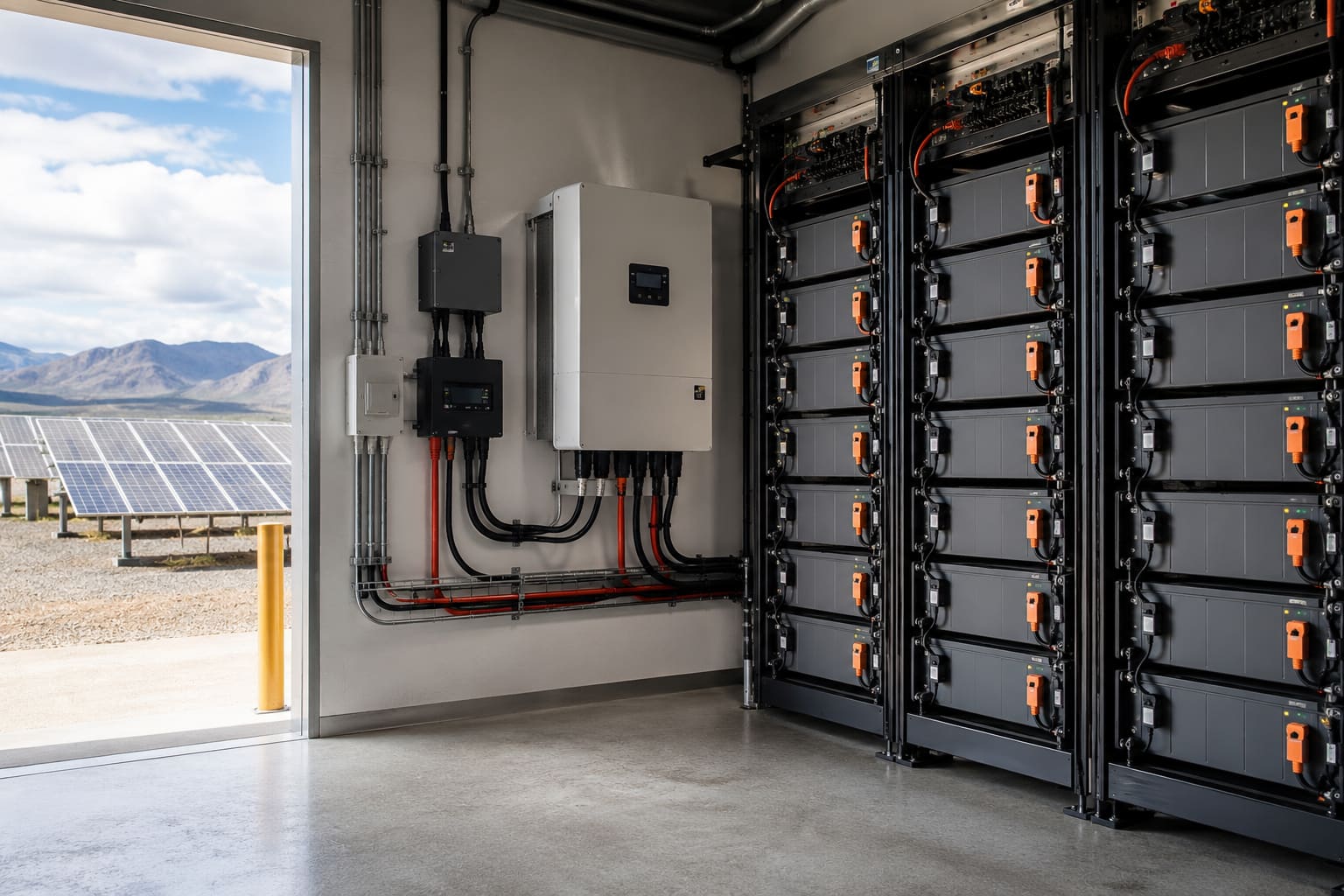
Battery storage determines how long an Off Grid Solar Power System can operate when solar production decreases. Solar panels generate power during daylight hours, but batteries support loads at night, in cloudy weather, and during temporary charging limitations. Buyers should evaluate usable capacity and choose suitable battery storage solutions instead of only checking the listed battery size. Factors such as depth of discharge, battery chemistry, inverter efficiency, and operating temperature can affect available energy. Backup duration also changes the system design. A small cabin may require one day of backup, while a remote facility or monitoring station may need several days of stored energy.
More backup time requires:
- Additional battery capacity
- Larger installation space
- Higher charging requirements
- More detailed battery management planning
The battery design should match expected operating conditions and maintenance requirements.
Solar Array and Charging Performance Affect System Reliability
Solar panel capacity must match battery storage and daily energy demand. An oversized battery with insufficient solar charging may take too long to recover after several cloudy days.
Buyers should review:
- Local sunlight conditions
- Seasonal weather changes
- Panel orientation
- Installation area
- Shading risks
The charge controller also needs to match the solar array and battery requirements. Extra panel capacity may not improve charging speed when the controller or battery has limited charging input. For remote projects, installation access should also be considered. Dust, snow, leaves, and coastal conditions can reduce panel output. A practical solar setup should allow regular inspection and maintenance.
Inverter Selection Affects Off Grid Solar Power System Performance
The inverter converts stored battery energy into usable AC power. Choosing the correct inverter requires understanding both normal power consumption and temporary startup demand.
Buyers should check:
- Continuous output power
- Surge capacity
- Voltage requirements
- Frequency compatibility
- Protection functions
Some appliances, such as refrigerators, pumps, and motors, require higher startup power than their normal running consumption. Projects may also require additional inverter features, including remote monitoring, generator connection, or backup switching functions. A suitable inverter helps the system handle real operating conditions instead of only average power demand.

Supplier Evaluation Reduces Off Grid Solar Power System Risks
Selecting equipment from different suppliers can create compatibility issues. Panels, batteries, inverters, controllers, and protection components need to work together as one system.
Before purchasing, buyers should review supplier capabilities and complete solar power system planning, including:
- System design support
- Component compatibility
- Technical documentation
- Warranty conditions
- After-sales service
A professional supplier should explain how each component contributes to the final system performance. Buyers should also ask about the design assumptions behind the quotation. Solar conditions, battery aging, temperature limits, and peak loads can affect the final system size.
Different Applications Require Different Off Grid Solar Power System Designs
An Off Grid Solar Power System for a residential property usually has different requirements from a remote monitoring station or mobile application. Cabins may focus on basic lighting, refrigeration, and communication needs. RV systems need to consider weight, vibration, available space, and charging methods when selecting portable solar power solutions.
Commercial projects often prioritize uptime, monitoring, and long-term reliability. Remote equipment such as cameras, sensors, and communication devices may use less energy but require stable operation over extended periods. The system design should reflect the actual environment, usage pattern, and maintenance conditions.
What Buyers Should Confirm Before Ordering an Off Grid Solar Power System
Before approving a purchase, buyers should confirm the complete system design, including load assumptions, battery capacity, solar generation, inverter specifications, protection components, and installation requirements. A reliable Off Grid Solar Power System should be based on real energy demand, local conditions, and future usage plans. For additional information on solar planning, installation considerations, and energy storage applications, buyers can also review this guidance on energy storage systems. Clear communication with suppliers helps businesses avoid oversized costs, insufficient backup time, and compatibility problems. Careful planning before ordering allows buyers to select a system that provides stable backup power and supports long-term operation.