
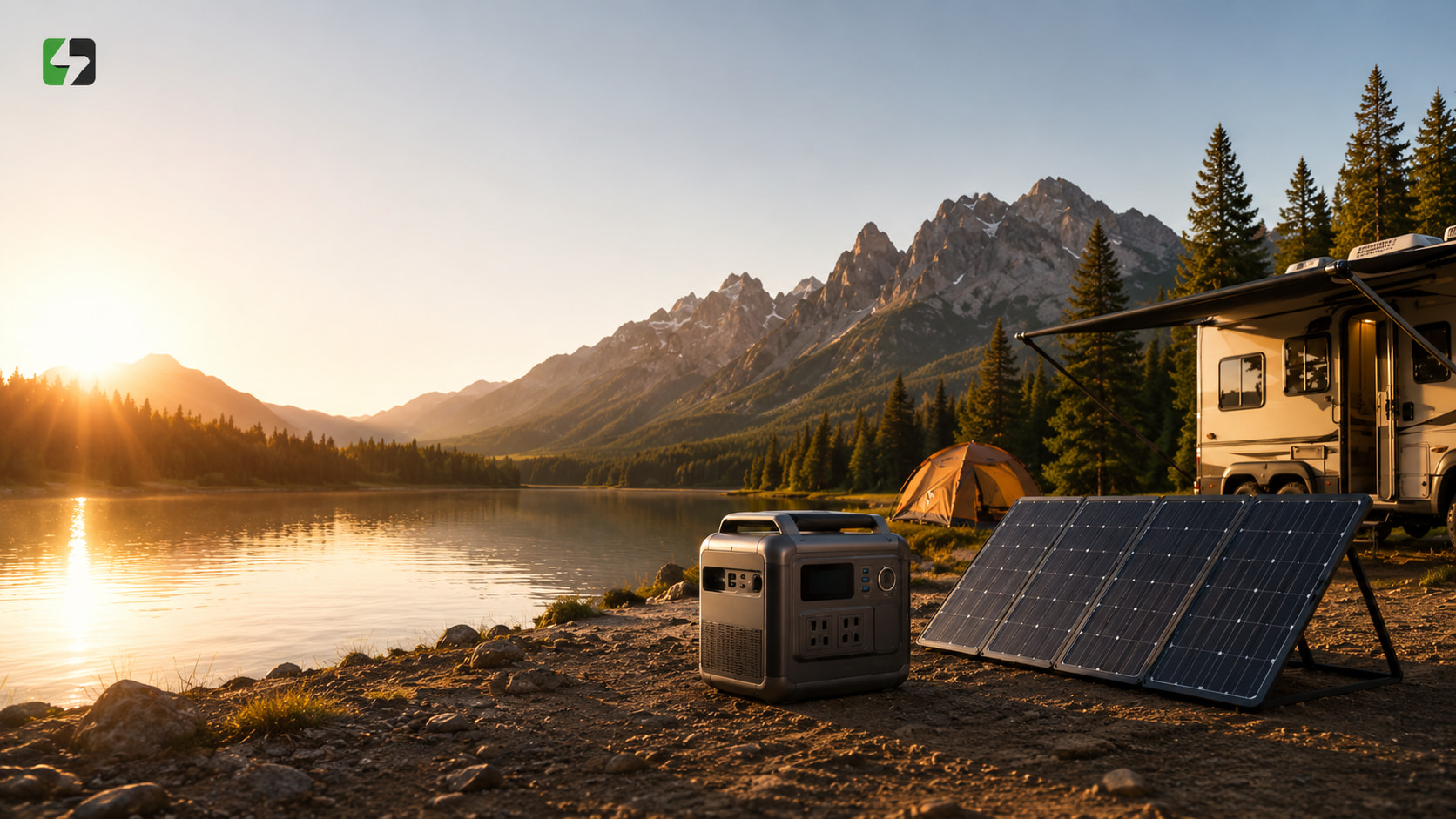
Choose the operating scenario before selecting products. A grid-connected system, backup system, portable setup, and off-grid solar power system have different design requirements.
A grid-connected system usually focuses on reducing daytime electricity use. A backup system keeps selected devices running during a power cut. An off-grid system must supply and recharge all required loads without depending on the utility grid.
Write down one clear goal before asking for a quotation. For example:
“Keep the refrigerator, lights, router, and one outlet circuit running for 10 hours, then recharge the battery during the following day.”
This is clearer than asking for a “large solar system.” It also helps suppliers prepare quotations based on the same requirements.
Size the Solar Solution Battery Correctly
Battery capacity should be based on usable energy, not only the capacity printed on the label.
Start with the total energy required by the essential loads. Then include:
- Inverter losses
- Battery operating limits
- Standby power
- Temperature conditions
- Battery aging
- A practical operating margin
Backup time should match the actual risk. A home that needs power for a short outage may only require several hours of storage. A remote site may need enough energy for the night and additional reserve for cloudy weather.
A larger battery also needs more charging time. Do not increase battery capacity without checking whether the solar panels can recharge it.
Battery output is also important. A battery may store enough energy but still fail to support a high inverter load or motor startup. Check continuous discharge current, peak current, protection settings, and inverter compatibility.
Buyers comparing solar energy equipment should match each product’s documented output and charging limits to the load calculation.
Allow for Battery Aging
Battery capacity falls over time. The system should still support the required loads after normal capacity loss.
Ask the supplier about expected cycle life, operating temperature, end-of-life capacity, replacement options, and future expansion. If more battery modules may be added later, confirm whether the new modules must match the original model or production batch.
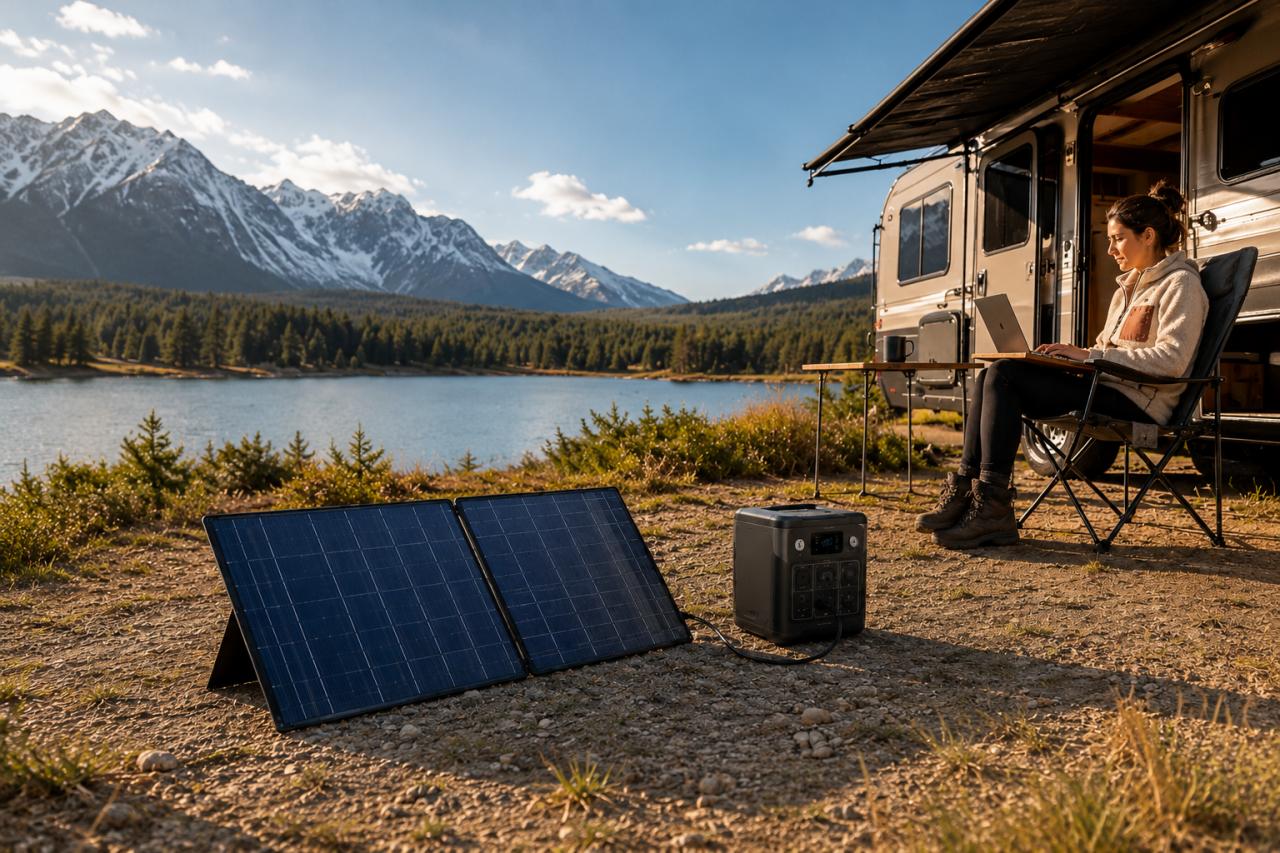
Match Solar Solution Panels to Local Sunlight
Solar panel wattage is measured under test conditions. Actual energy production depends on the installation site.
Check:
- Roof direction and tilt
- Seasonal sunlight
- Shade from trees or buildings
- Dirt and dust
- Panel temperature
- Cable losses
- Available roof or ground space
The U.S. Department of Energy explains that solar energy production can change with the season, time of day, clouds, dust, shade, rain, snow, and dirt.
Do not check shade from only one position or at one time of day. Shade patterns move throughout the day and change across the year.
The panels must power daytime loads while also recharging the battery. If the calculation only considers battery charging, the system may recover more slowly than expected.
Ask the supplier to show estimated daily generation for different seasons and the expected time needed to recharge the battery after a defined outage.
Choose the Inverter and Charging Setup
The inverter must support normal running power, overlapping loads, and short startup surges.
Check the following specifications:
- Continuous output
- Surge output and duration
- Output voltage and frequency
- Output waveform
- Standby consumption
- Transfer time
- Battery voltage
- Compatibility with sensitive equipment
A larger inverter is not always better. It may use more standby power and require more current from the battery.
You also need to choose the charging sources. Some systems use solar charging only. Others combine solar panels with utility power or a generator.
Check the solar input voltage range, maximum solar input, charging current, source priority, and grid-charging controls.
For an integrated backup unit, the main buying factors remain battery capacity, AC output, solar input, available ports, battery management, and expansion support. These points are also covered in this guide to choosing a solar generator for home backup.
Plan a Safe Solar Solution Installation
A complete system needs more than compatible panels, batteries, and an inverter.
The installation may require:
- Correct cable sizes
- Overcurrent protection
- DC and AC disconnects
- Grounding
- Battery ventilation
- Suitable enclosures
- Safe equipment spacing
- Clear emergency access
Local electrical and building rules may affect equipment placement, wiring, labeling, permits, and grid connection. Buyers can review current home solar guidance before confirming the project scope.
The quotation should clearly state who is responsible for the site survey, system drawings, permits, mounting, wiring, commissioning, monitoring setup, user training, and after-sales service.
If several contractors work on the same project, define where each contractor’s responsibility begins and ends.
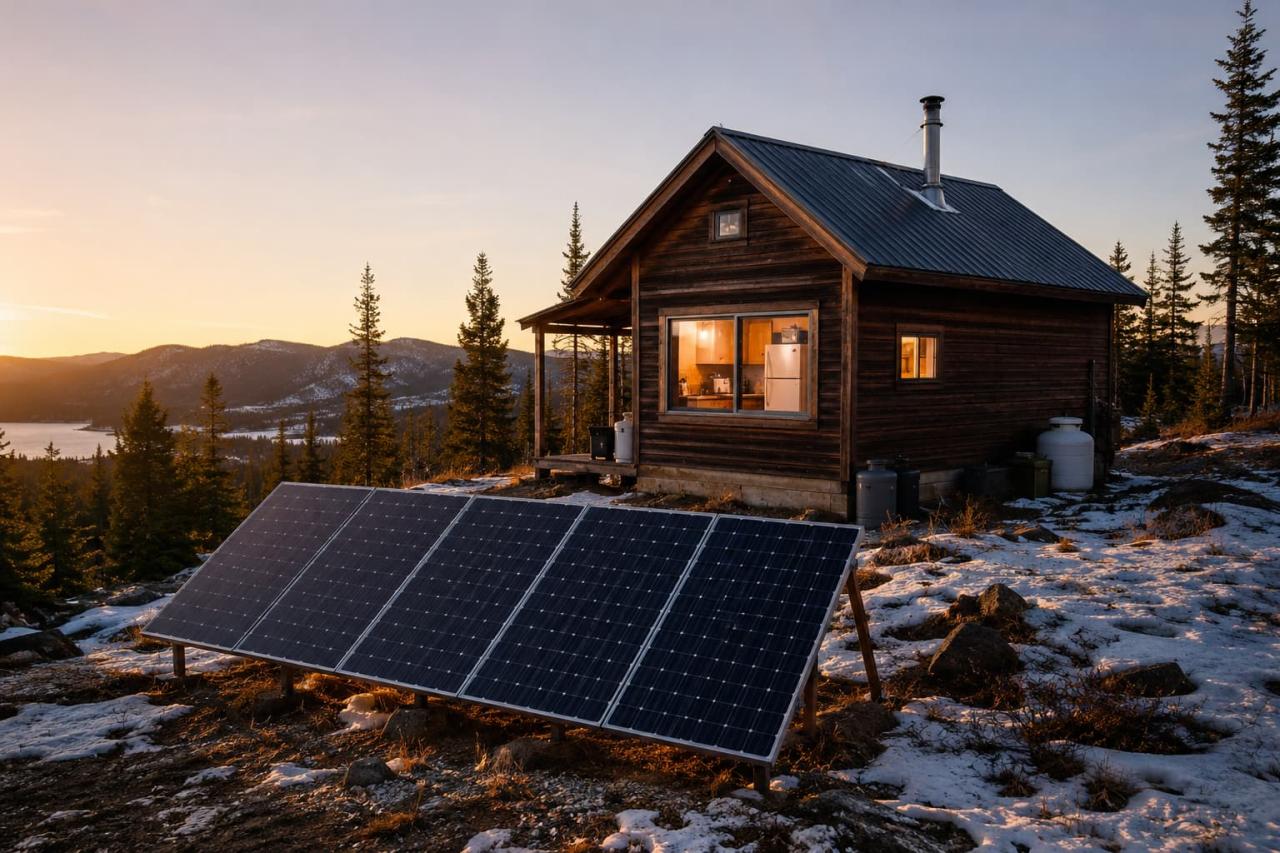
Avoid Common Solar Solution Buying Mistakes
Do not compare quotations using only total wattage or price. Different suppliers may use different assumptions for battery capacity, solar generation, system losses, surge power, and installation work.
Compare every proposal against the same load list, operating time, and site conditions.
Other common mistakes include:
- Using average daily consumption but ignoring peak power
- Ignoring motor startup current
- Adding battery capacity without enough solar charging
- Buying equipment before completing a site survey
- Overlooking shading and cable distance
- Accepting unclear expansion claims
- Failing to confirm warranty responsibilities
Ask who will handle diagnosis, labor, replacement parts, transport, software support, and response time if a problem occurs.
Choose a Solar Solution Based on Real Needs
A practical Solar Solution connects every product to a clear requirement.
Before placing an order, confirm:
- Essential loads
- Daily energy use
- Peak and startup power
- Required backup time
- Seasonal solar production
- Usable battery capacity
- Inverter output
- Charging sources
- Installation conditions
- Expansion plans
- Monitoring functions
- Warranty and support responsibilities
Give the same information to each supplier and ask them to explain their calculations. The right proposal should show how the system performs during an outage, on a cloudy day, and while the battery is recharging. Choose the system that clearly meets these conditions instead of choosing the proposal with the largest capacity.