
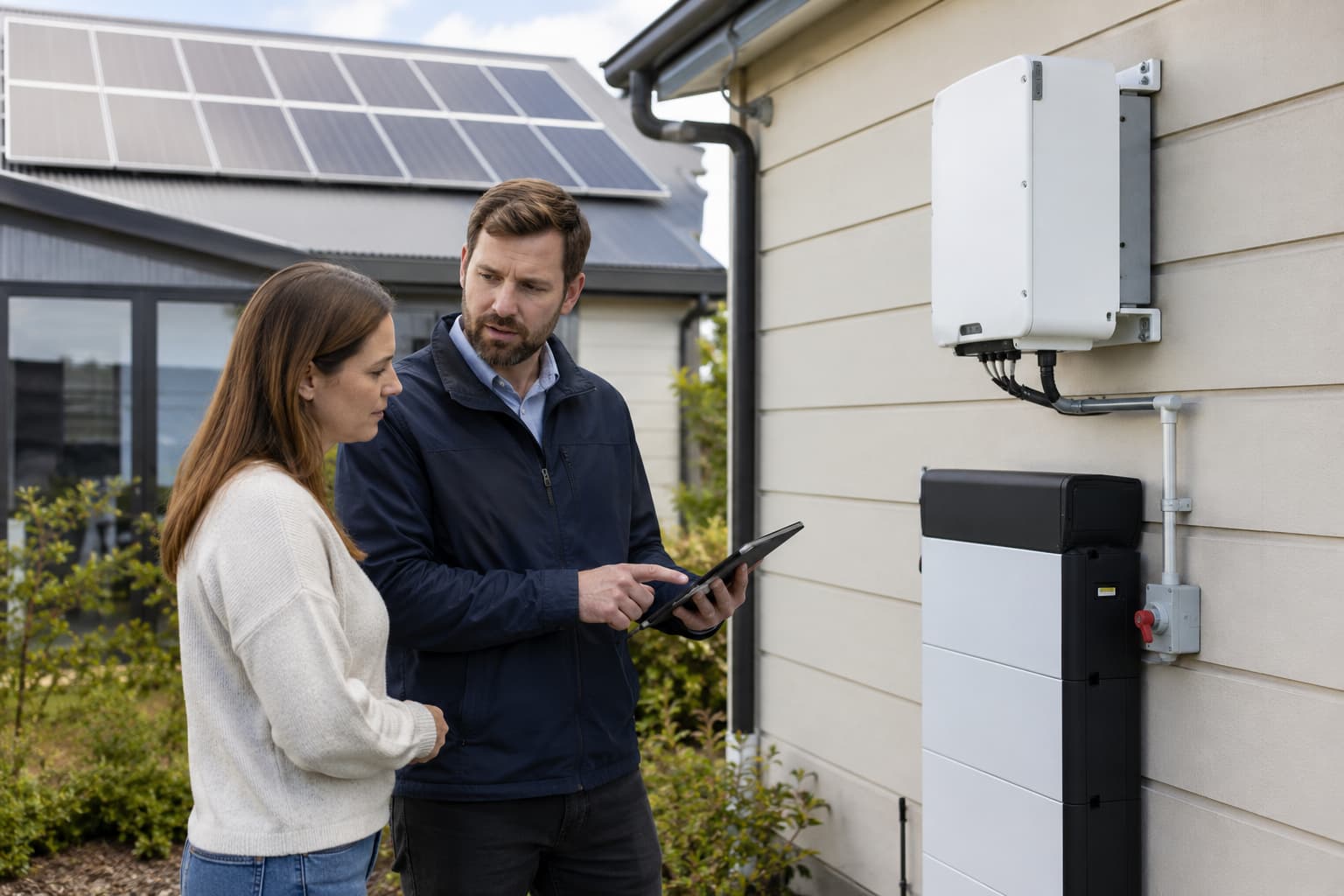
A solar backup power proposal can look complete and still leave major project risks unresolved. A quoted battery capacity, inverter rating, or solar array size does not confirm that the system will support the actual load, fit the site, integrate with existing equipment, or pass final acceptance.
Project approval should follow measurable evidence. Review the load profile, site conditions, system architecture, equipment scope, warranties, installation responsibilities, testing methods, and handover records before signing off.
This process makes supplier proposals easier to compare and gives both parties a clear delivery baseline.
Verify Solar Backup Power Loads First
Start with the equipment that must continue operating during an outage. Record daily energy consumption, simultaneous power demand, peak loads, startup surges, operating hours, seasonal changes, and outage requirements.
A monthly electricity bill can support early planning, but it cannot show how individual loads behave during backup operation. Motors, pumps, compressors, communication equipment, and other devices may create short power peaks that affect inverter and battery sizing.
Separate measured values from estimates. Also record planned equipment additions so the proposed system does not reach its operating limit soon after installation.
The supplier should understand three different requirements:
- How much energy the loads consume
- How much power they can demand at the same time
- How long the selected loads must remain available
This distinction helps prevent a battery backup system from meeting an energy target while failing to support short high-load periods.
For additional background on how photovoltaic generation works, the U.S. Department of Energy provides an overview of solar photovoltaic technology basics.

Require a Complete Site Assessment
A desktop quotation cannot confirm the physical conditions that affect installation. Before final approval, the provider should inspect usable installation space, shading, cable routes, switchboard conditions, grounding, ventilation, drainage, access, and structural restrictions.
The survey record should include measurements, photographs, proposed equipment positions, installation routes, access requirements, and unresolved site conditions.
This step matters because two projects with similar electrical loads can require very different installation work.
A roof-mounted photovoltaic storage project may need structural review, long cable routes, lifting access, and weather protection. A smaller backup solar system installed close to the load may need less construction work but more attention to ventilation, equipment clearance, and connection points.
Site findings should feed directly into drawings, quotations, installation scope, and acceptance requirements.
If a supplier identifies a condition that remains unresolved, assign responsibility and define how the project team will close it before installation begins.
Review Solar Backup Power Architecture and Interfaces
Ask the supplier to provide a system diagram that shows how generation, energy storage, conversion equipment, protection, monitoring, metering, communications, and load distribution connect.
The review should cover normal generation, battery charging, backup operation, low-battery behavior, shutdown, grid recovery, and system restart.
Do not assess the battery, solar modules, and inverter as isolated products. The complete system must work as one architecture.
Interfaces also need clear ownership. The proposal should state who is responsible for electrical design, cable sizing, protection settings, mounting, communication setup, commissioning, and modifications to existing equipment.
Where practical, test a representative configuration before full deployment. Use realistic load conditions instead of a supplier-selected demonstration that does not reflect the final application.
Record final settings, approved drawings, equipment identification, photographs, and test observations so the project team can trace later changes or faults.
Buyers comparing available equipment can also review the current solar products alongside the project requirements rather than selecting equipment from a headline capacity figure alone.
Match Equipment to Solar Backup Power Requirements
Each proposed product should match the actual load profile, connection requirements, operating environment, charging method, installation space, and service plan.
For example, a packaged unit such as the HomePower 3600 Plus still needs to be evaluated against the intended application. The product name or rated capacity alone cannot confirm that it fits a particular project.
Check what the quotation includes around the main equipment. Relevant items can include cables, connectors, protection devices, monitoring equipment, adapters, mounting components, communication accessories, and expansion hardware.
Also identify any limits that affect future upgrades or maintenance.
A lower equipment price can become more expensive after installation if the buyer later needs additional cabling, protection equipment, adapters, site modifications, or specialist service.
Please compare the delivered system rather than comparing one product specification.

Verify Project Scope, Warranty, and Acceptance
Different suppliers may price very different project scopes.
One quotation may include engineering, delivery, mounting, cabling, commissioning, testing, and training. Another may include only the major hardware.
Create a clear scope comparison before approval. Identify what the supplier includes, excludes, treats as an allowance, or expects the buyer to provide.
The review should cover freight, lifting, temporary work, permits where applicable, internet connection, subscriptions, disposal, travel, corrective visits, and handover documents.
Warranty review also needs more than a warranty period.
Confirm which legal entity supports the equipment and installation, what the warranty excludes, who pays labor and freight, what evidence the supplier requires for a claim, and how replacement parts are handled.
Supply continuity also affects long-term support. The project record should identify approved equipment, substitutions, firmware changes, drawings, and replacement components. Review proposed substitutions before approving them.
Before installation starts, define the acceptance method. The commissioning plan should verify wiring, protection, grounding, communications, operating modes, monitoring, alarms, shutdown, restart, and required documentation.
Store the final drawings, settings, test results, photographs, training records, warranty information, and support contacts with the project file.
Approve Solar Backup Power Only When Evidence Is Complete
Solar project approval should follow verified requirements rather than sales descriptions.
Before signing, confirm the load schedule, site survey, system architecture, equipment selection, installation responsibilities, delivered scope, warranty route, acceptance procedure, handover documents, training, spare parts, and maintenance contacts.
Any unresolved point should have an owner, deadline, and documented effect on cost, performance, installation, or maintenance.
This gives the buyer a practical way to compare proposals and reduces disputes over what the supplier was expected to deliver.
A well-defined solar backup power project should connect measured demand and site conditions directly to evidence for design, equipment, installation, testing, and handover.
If the project still contains unclear load data, missing site information, undefined interfaces, or unconfirmed acceptance requirements, resolve those issues before approval.
For projects that need a system review or product recommendation, buyers can review HomeSolars or contact the project team with the load requirements, available site space, backup duration, and project conditions.