
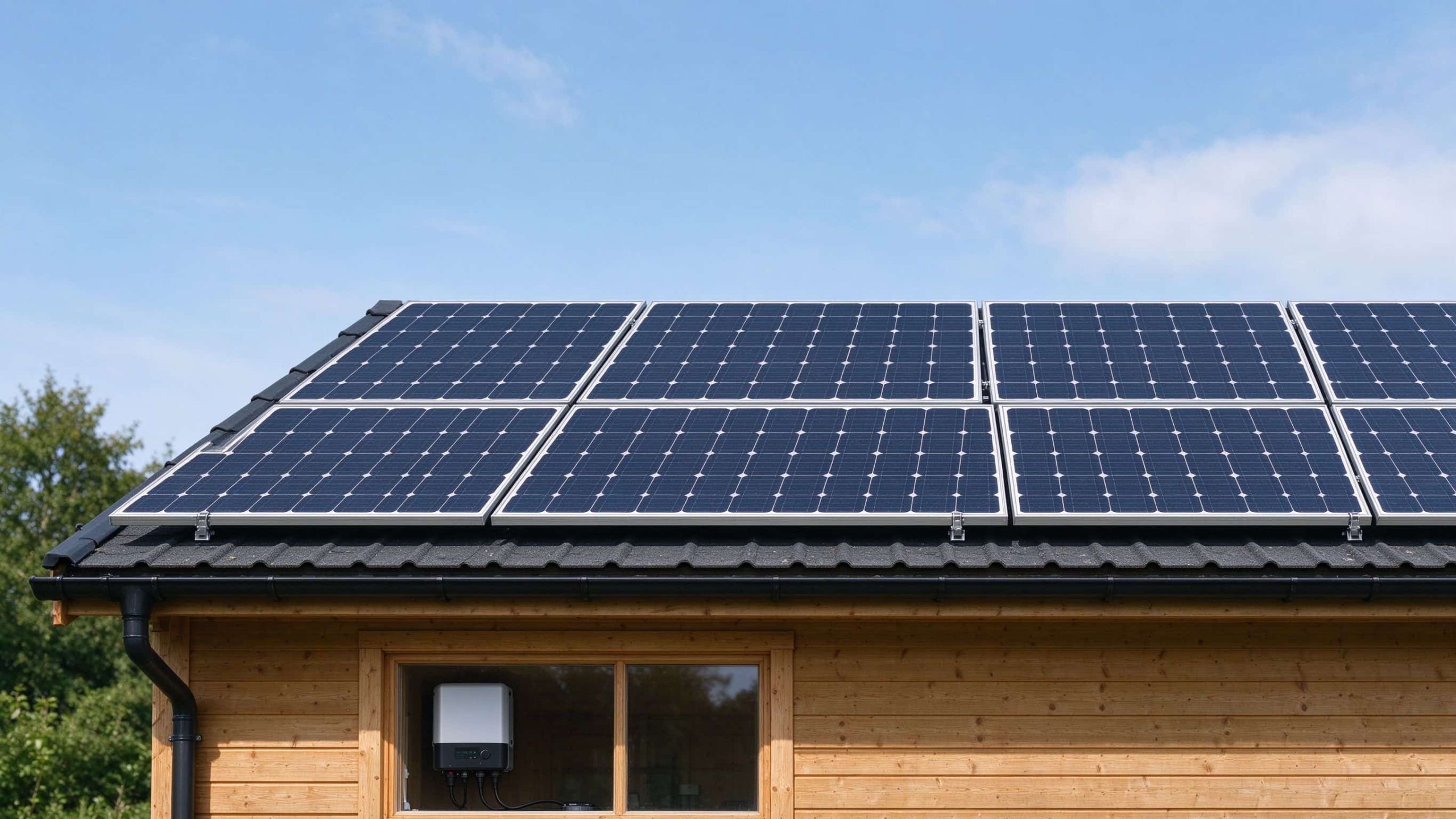
Yes, an off-grid solar inverter is the missing piece between your battery bank and the wall outlets you already own. Panels and batteries store direct current, but your fridge, TV, and laptop all run on alternating current — the inverter is the translator that makes them talk. You need one when you want to run any 120V appliance off a battery, when your off-grid cabin starts feeling like a real home, or when you stop relying on a generator for backup power. The right choice comes down to two questions: how many watts everything draws at once, and whether your devices need clean power. Start with a load list, size the surge, and match the waveform to what you plug in.
What an Off-Grid Solar Inverter Actually Does
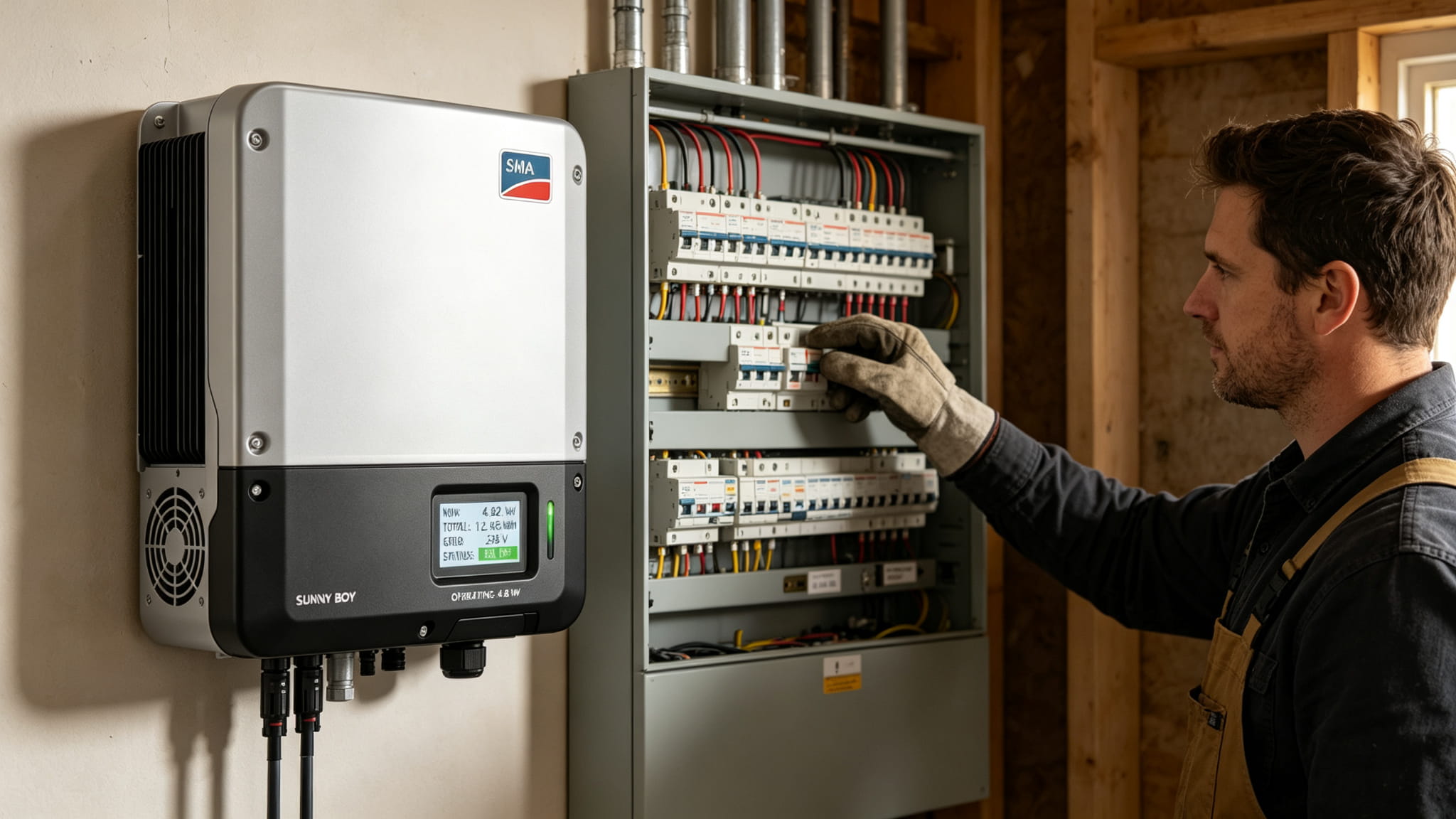
An off-grid solar inverter sits between your battery bank and your AC outlets, and it does one essential job: it turns the battery’s DC power into the AC power your appliances expect. Solar panels produce DC, batteries store DC, but nearly every device you own — from a microwave to a phone charger brick — was designed for wall outlet power. Without an inverter, your off-grid system is just a battery with a bigger flashlight. With the right one, it powers your whole cabin the way the grid would.
How an Off-Grid Solar Inverter Converts Power
Inside the unit, high-speed switches chop the smooth DC voltage into a rapidly pulsed waveform, then refine it into a smooth AC sine wave that mirrors grid power. The efficiency of this conversion typically runs 90 to 95 percent, which means roughly 5 to 10 percent of your stored energy is lost at this step. That loss is why oversizing the battery bank matters. You are paying to store energy that will partially disappear during conversion. Modern units also handle battery charging from the solar charge controller, remote monitoring, and generator auto-start in all-in-one models. A load-first sizing approach like this follows the same logic as peer-reviewed off-grid system design research, so the numbers hold up before you spend a dollar.
Pure Sine Wave vs Modified Sine Wave
Not all inverters produce the same quality of AC output.Pure sine wave inverters output a clean signal that matches grid power, safe for sensitive electronics, variable-speed motors, and medical devices. Modified sine wave inverters are cheaper but produce a blockier waveform that can make appliances hum, run hotter, or fail early. The price gap has narrowed sharply. A 3,000W pure sine wave unit now costs only a few hundred dollars more than a modified wave version. For any off-grid setup that runs a fridge, a laptop, or a television, pure sine wave is the safe default.
How to Size Your Off-Grid Solar Inverter
New off-grid builders most often go wrong when sizing a solar inverter. Buy too small, and the unit trips the moment a compressor kicks on, even when the battery still holds plenty of charge. Buy too large, and you waste money on standby draw and unused capacity. The right number comes from two measurements. The first is the continuous running watts of everything you use at once. The second is the surge watts your largest motor needs to start.
Running Watts vs Surge Watts
Running watts are the steady power an appliance consumes while already on. A fridge uses about 150 to 200 running watts. A laptop charger draws 60. Surge watts, also called startup watts, are the burst of power a motor needs to turn over. A fridge compressor can pull 600 to 1,200 watts for a fraction of a second. Add up the running watts of everything you want to use at the same time. Then pick an inverter whose continuous rating exceeds that total by at least 25 percent, and whose surge rating covers your largest motor. A 2,000W inverter with a 4,000W surge rating covers most small cabins comfortably.
Match Voltage to Your Battery Bank
The inverter’s input voltage must match your battery bank. Small setups on a single 12V battery use 12V inverters. Medium cabins use 24V battery banks. Full-time homes typically run 48V. Higher voltage means thinner cables and less line loss over long runs. But it also requires batteries wired in series and components that support the system voltage. Before you buy, confirm the inverter’s DC input range, AC outlet count, and charging compatibility with your battery chemistry.
Start With the Load List
Before you compare a single inverter, write down every device you intend to run. Include your fridge, lights, TV, laptop, microwave, and tools with their running and startup watts. Separate critical loads from optional ones. The inverter only needs to cover what runs at the same time, not everything you own. A weekend cabin on a 2,000Wh daily load needs a very different inverter than a full-time homestead. Once the list is in real numbers, matching the wattage and voltage becomes a straightforward check rather than a guess.
Pick the Right Brain for Your Off-Grid System
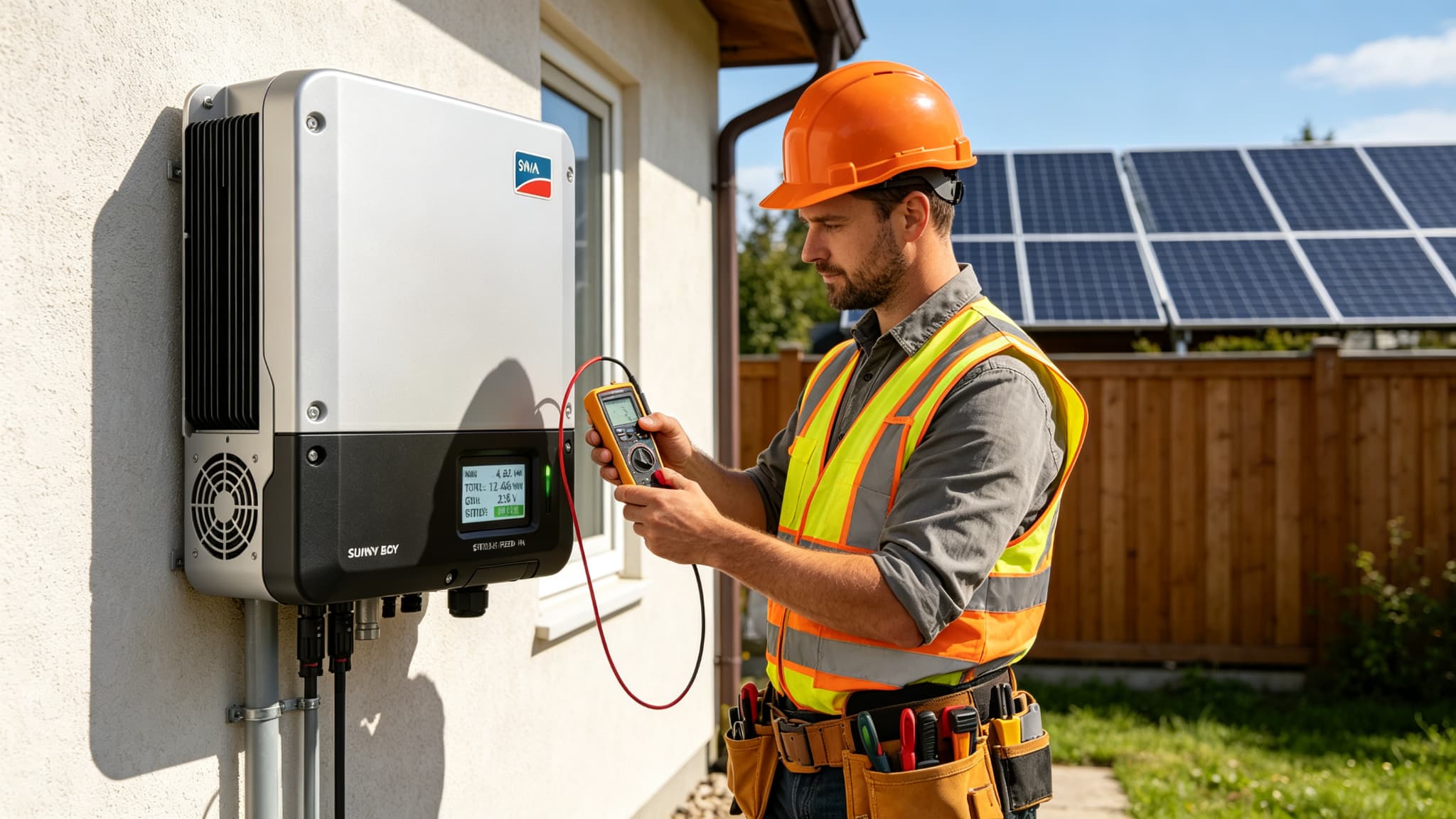
That off-grid solar inverter is the translator that sits between your battery bank and every wall outlet you own. It chops the battery’s smooth DC into the pulsed AC waveform your appliances expect, and it is the single component that decides whether your stored sunlight actually reaches a microwave, a laptop, or a refrigerator. The choice between a pure sine wave inverter and a modified sine wave inverter is no longer worth the risk of cheaping out, because the price gap has shrunk while the cost of a hummed, overheated appliance has not.
Size the unit by the simultaneous running load plus the largest motor’s surge, keep about 25 percent headroom, and match the DC input to your 12V, 24V, or 48V battery bank. Run the cable short, fuse the battery terminal, and let the charge controller do the quiet work of keeping the battery full. Do that, and your off-grid system stops being a science project and starts behaving like a home — quiet, reliable, and entirely yours.