

Solar service solutions can range from installation and commissioning to ongoing monitoring, preventive maintenance, and repairs. A comprehensive lifecycle agreement may cover all these stages, while a standalone operations and maintenance contract typically focuses on a system that is already installed. The right agreement should explain what work is included, what performance records you receive, what triggers a site visit, and which costs fall outside the recurring fee. Before comparing prices, make sure you are comparing the same scope of work.
A Complete Solar Service Package Covers
End-to-end Solar service solutions are not a single task. They are four workstreams that run from the first roof walk to the final warranty claim. The table below is a checklist you can hand to any installer. Compare row by row before you sign. Confirm which items are part of the base service, which are optional add-ons, and which are billed separately.
|
Workstream
|
What it includes
|
What records you receive
|
What triggers a site visit
|
Scope of contract
|
|---|---|---|---|---|
|
Consultation and design
|
Roof walk, shade assessment, load review, array layout, equipment selection
|
Site survey report, proposed system one-line diagram, expected production estimate with inputs
|
Pre-installation only
|
New system lifecycle only
|
|
Installation and commissioning
|
Mounting, DC and AC wiring, inverter startup, string-by-string verification, as-built labeling
|
Commissioning report, measured string voltages and currents, inverter serial numbers, updated as-built drawings
|
At handover and after major equipment changes
|
New system lifecycle only
|
|
Monitoring and response
|
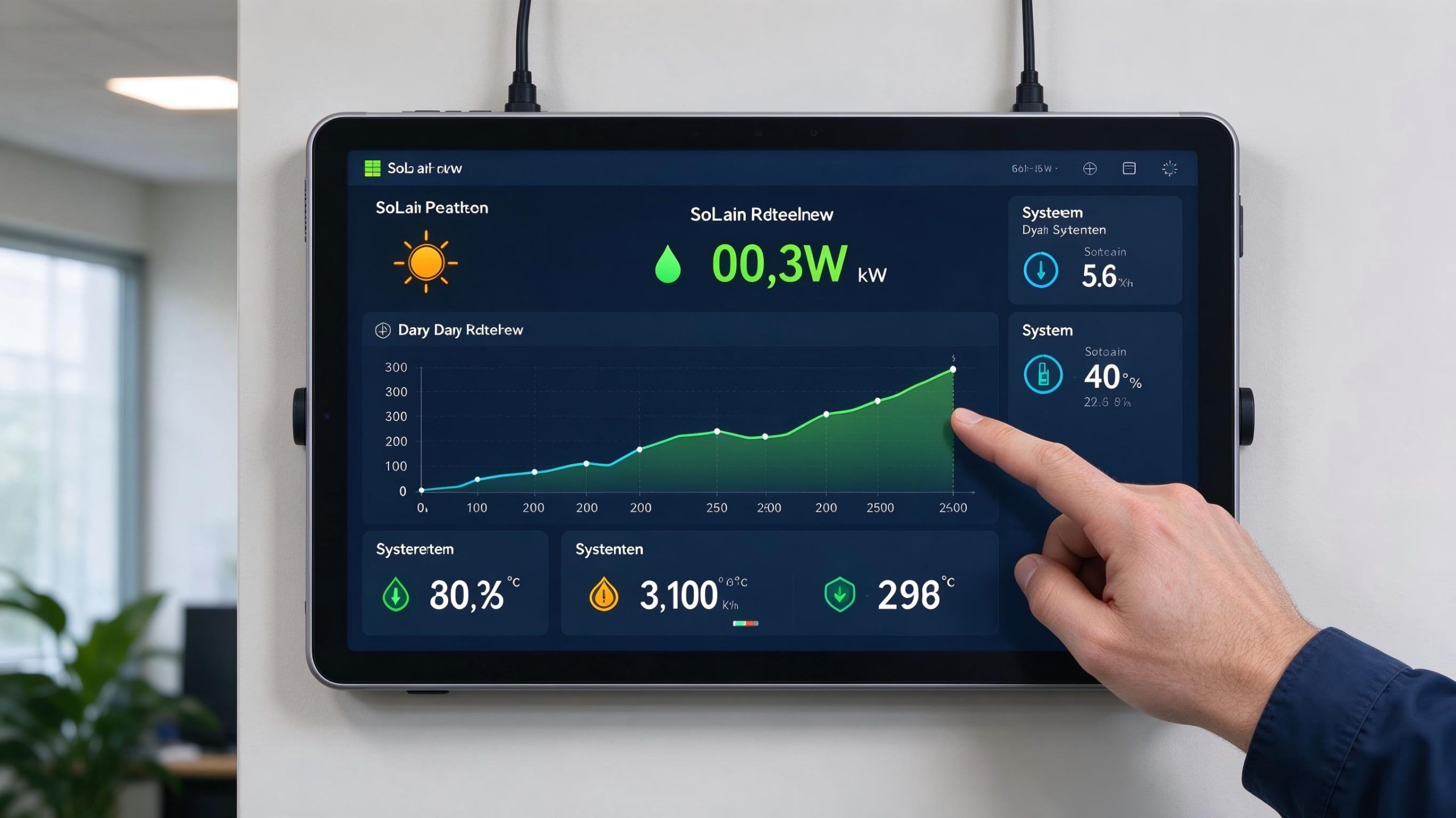
Portal availability, alert generation, and monitoring hours as specified in the contract, review of production against a weather-adjusted estimate
|
Monthly or quarterly reports, with the reporting frequency defined in the contract, plus an alert log and correction actions taken
|
Written escalation thresholds, response commitments, and conditions for an onsite visit
|
Base O&M or add-on
|
|
Maintenance and repair
|
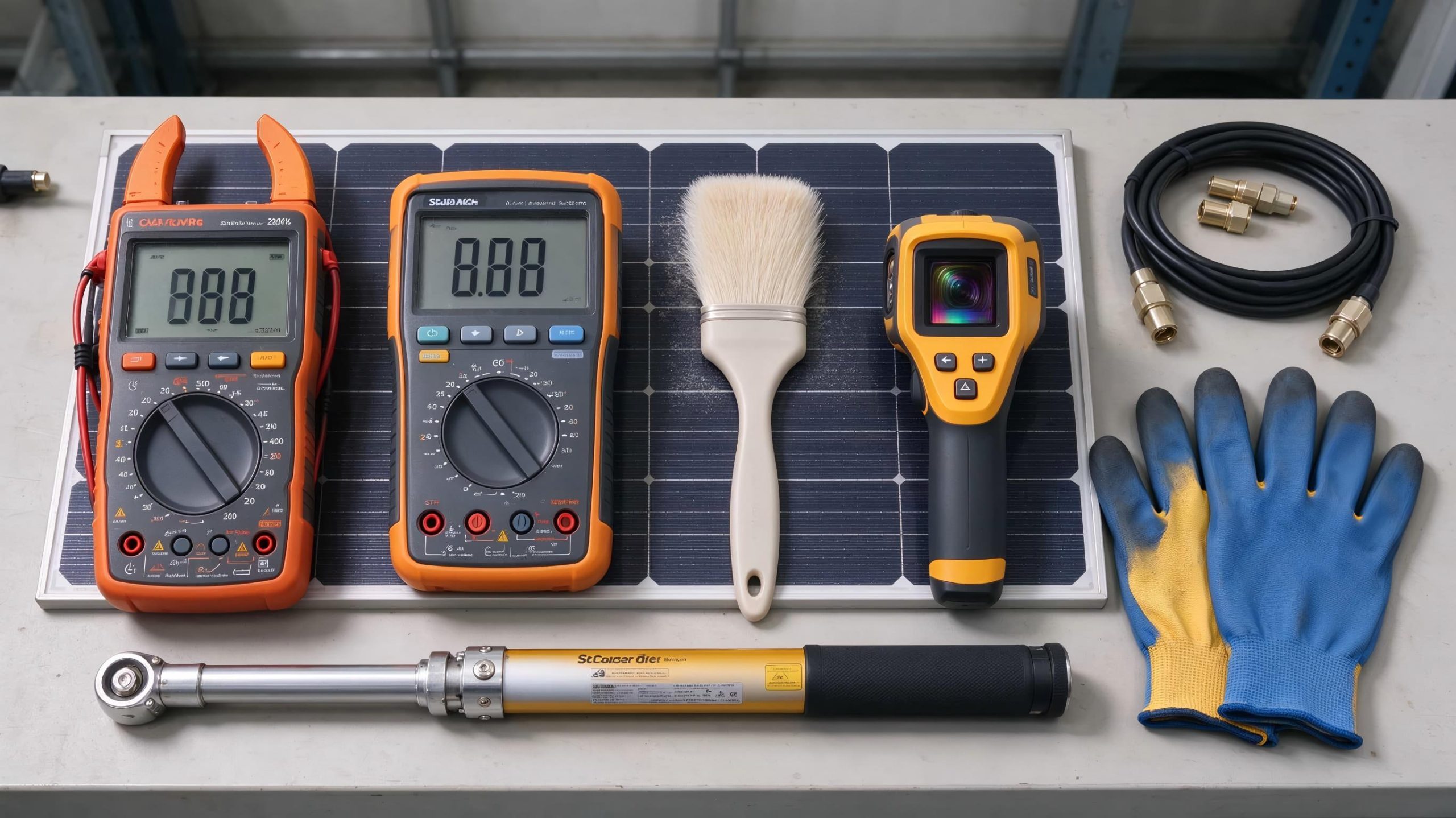
Periodic inspection, panel cleaning when justified, inverter fan or filter service, warranty workflow support for failed parts
|
Inspection checklist, photos before and after, work order and part numbers
|
Scheduled inspection, visible soiling or damage, failed equipment, or underperformance not explained by weather
|
Base O&M, labor often billed separately
|
Ask the provider which items are included in the recurring fee and which are billed separately. A cheap annual plan that charges extra for every truck roll is not the same value as a higher fee that includes diagnostics and standard repairs.
Why Ongoing Solar Service Can Be Worth the Cost
A turnkey solar service solutions package may appear as a recurring line item on your bill, but its value depends on the scope of work and the costs it helps you avoid. The case for it rests on three measurable outcomes. Recovery of lost production. Protection of the warranty. Predictable budgeting for repairs. Each one has to be checked against the contract, not assumed.
Recover Lost Production Without Guessing
Dust, pollen, leaves, and bird droppings can reduce solar output, while equipment faults may cause larger production losses. The actual impact depends on local weather, system design, and operating conditions. A service provider can compare measured production with a weather-adjusted performance estimate and investigate persistent shortfalls. Consider a hypothetical 6 kW system expected to produce 9,000 kWh per year. If it underperforms by 5 percent, the lost production is 450 kWh.
At an assumed electricity value of $0.15 per kWh, that represents $67.50 in annual value. A $200 annual service plan would not pay for itself through recovery of that loss alone. Its overall value may also include earlier fault detection, reduced troubleshooting costs, warranty coordination, and other avoided expenses. Compare the annual fee with the benefits the provider can reasonably document rather than assuming that every service plan will generate a positive financial return. The 9,000 kWh figure is a hypothetical, not a universal number. Actual production depends on location, orientation, tilt, and local weather.
Protect the Manufacturer Warranty
Review the manufacturer’s product warranty, linear power warranty, and any separate installation or labor warranty. Terms vary by manufacturer and installer, so confirm the required installation records, registration steps, maintenance conditions, and claim procedures. Ask who will coordinate a warranty claim and whether the service agreement covers diagnostics, labor, shipping, equipment removal, and reinstallation. Also check how the contract treats hail, flooding, third-party modifications, and other excluded events. A long equipment warranty does not automatically mean that service visits or replacement labor are free. Compare the written coverage and exclusions before signing.
Predict Costs Instead of Reacting
An unplanned inverter replacement is a four-figure expense at the worst time. A service contract smooths that cost into a known annual fee. Read the fine print. Confirm whether the fee covers diagnostics, truck rolls, labor, and parts, or whether it is an inspection-only plan. A contract that excludes labor may provide inspection or monitoring without covering the full cost of repairs.
How to Evaluate Turnkey Solar Service Packages Before You Sign
Turnkey solar service packages vary wildly in price and in what is actually included. Three questions separate a real provider from a marketing sheet.
-
Licenses and insurance. Ask for the state electrical license number and the general liability coverage limit. A residential roofer pulling DC conductors without an electrician on the permit is a code violation. The provider should carry at least 1 million dollars in liability and should name the AHJ on the permit pull.
-
Case studies and reference installs. Ask for three references within 30 miles of your address, installed in the last 24 months. A provider that cannot produce local references has not been servicing that long. Call the references and ask one question: did the technician show up when the dashboard flagged an outage?
-
Warranty and response time. Read the service contract for the two numbers that matter. First, the response time to an outage ticket. A credible provider promises 48 to 72 hours on a no-generation fault. Second, the workmanship warranty. One year is a red flag. Five to ten years is the market.

One Number on the Page Before You Sign
A Solar service solutions agreement turns a vague problem into a scheduled visit with a paper trail. It is not worth buying if it promises a fixed efficiency gain, a fixed lifetime extension, or a universal cleaning schedule for every roof. Compare the four workstreams, the deliverable records, the trigger conditions, and the all-in annual fee against the cost of a failed string or a dead inverter. The right provider gives you those numbers on the first call. The wrong one gives you a discount on panels and a phone number that stops answering. If the proposal does not list what triggers a truck roll, ask for that page before you compare prices.