The Solar Home Inverter Behind Your Solar System
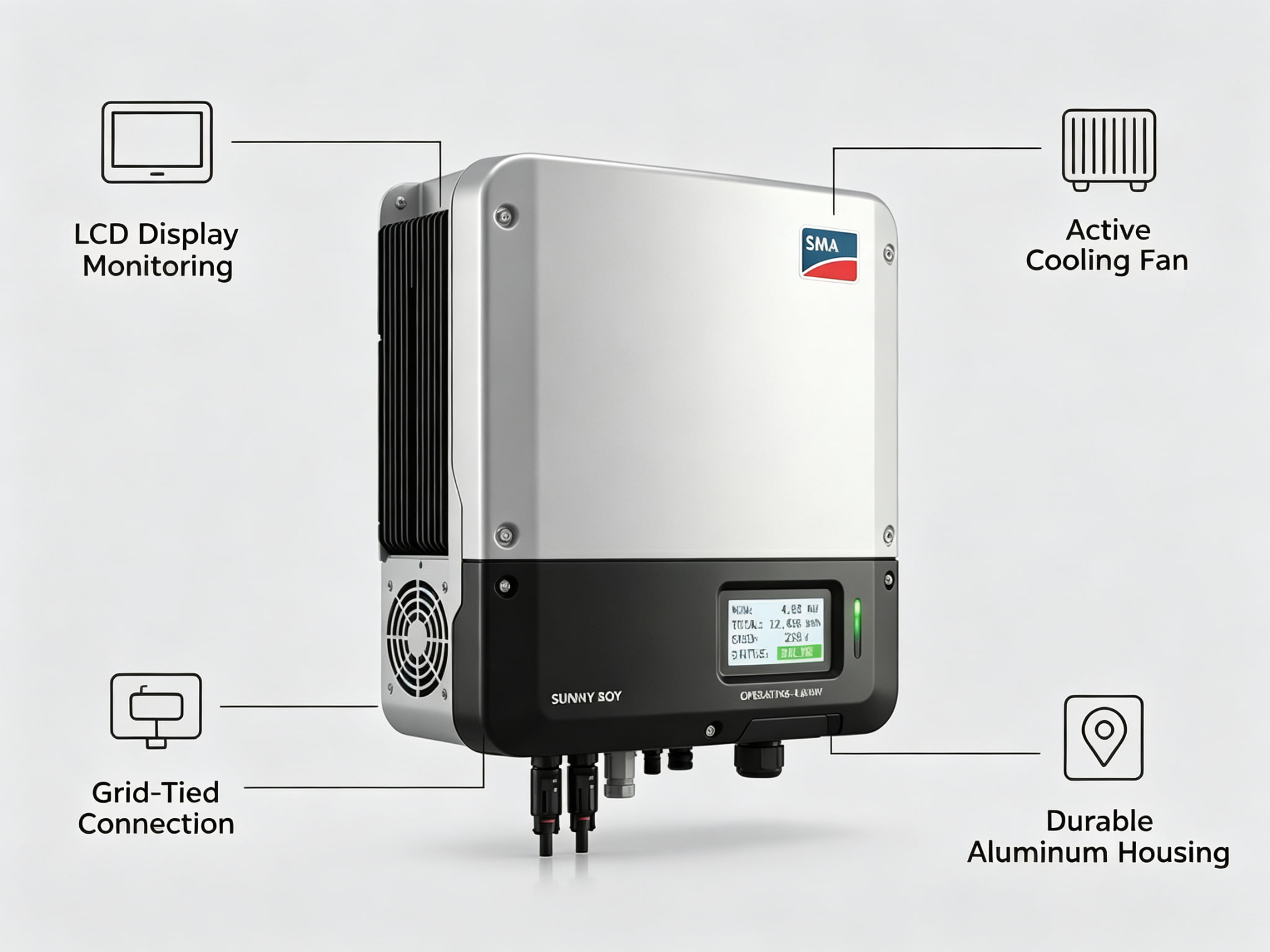
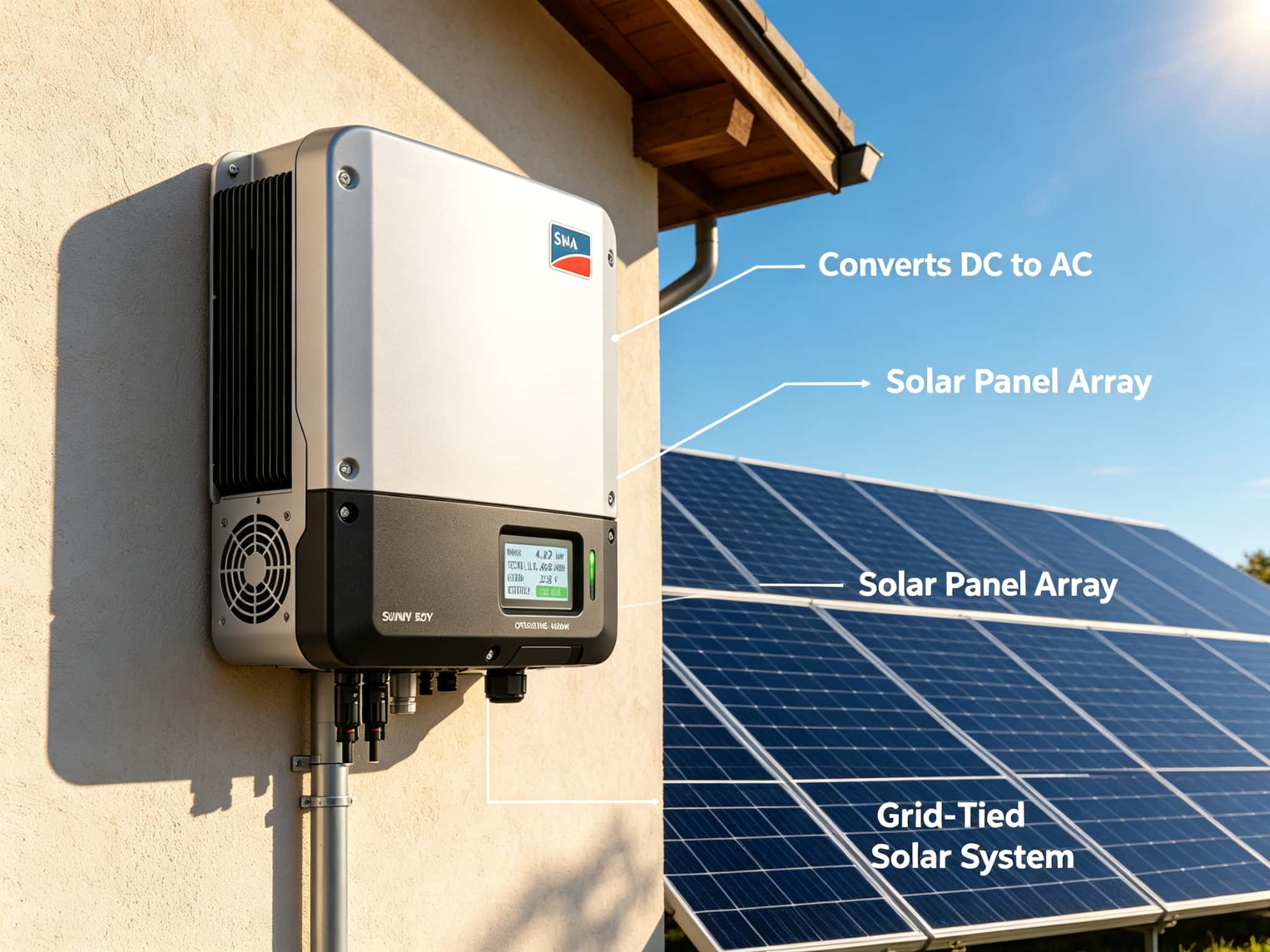
A solar panel generates electricity, but your home can’t use the DC power it produces directly. The 4.6 kW grid-tied home inverter serves as the central conversion unit in a residential photovoltaic system, transforming DC electricity from solar panels into clean AC power to run household appliances or feed excess energy back into the utility grid. Designed for residential rooftop solar installations and small-scale PV projects, this high-efficiency string inverter provides reliable energy conversion, intelligent monitoring, and stable grid synchronization. Unlike basic power converters, a grid-tied solar inverter is designed specifically for photovoltaic systems, ensuring solar energy can be safely integrated into existing household electrical networks.
Home Inverter: Efficient DC to AC Conversion for Residential Solar Systems
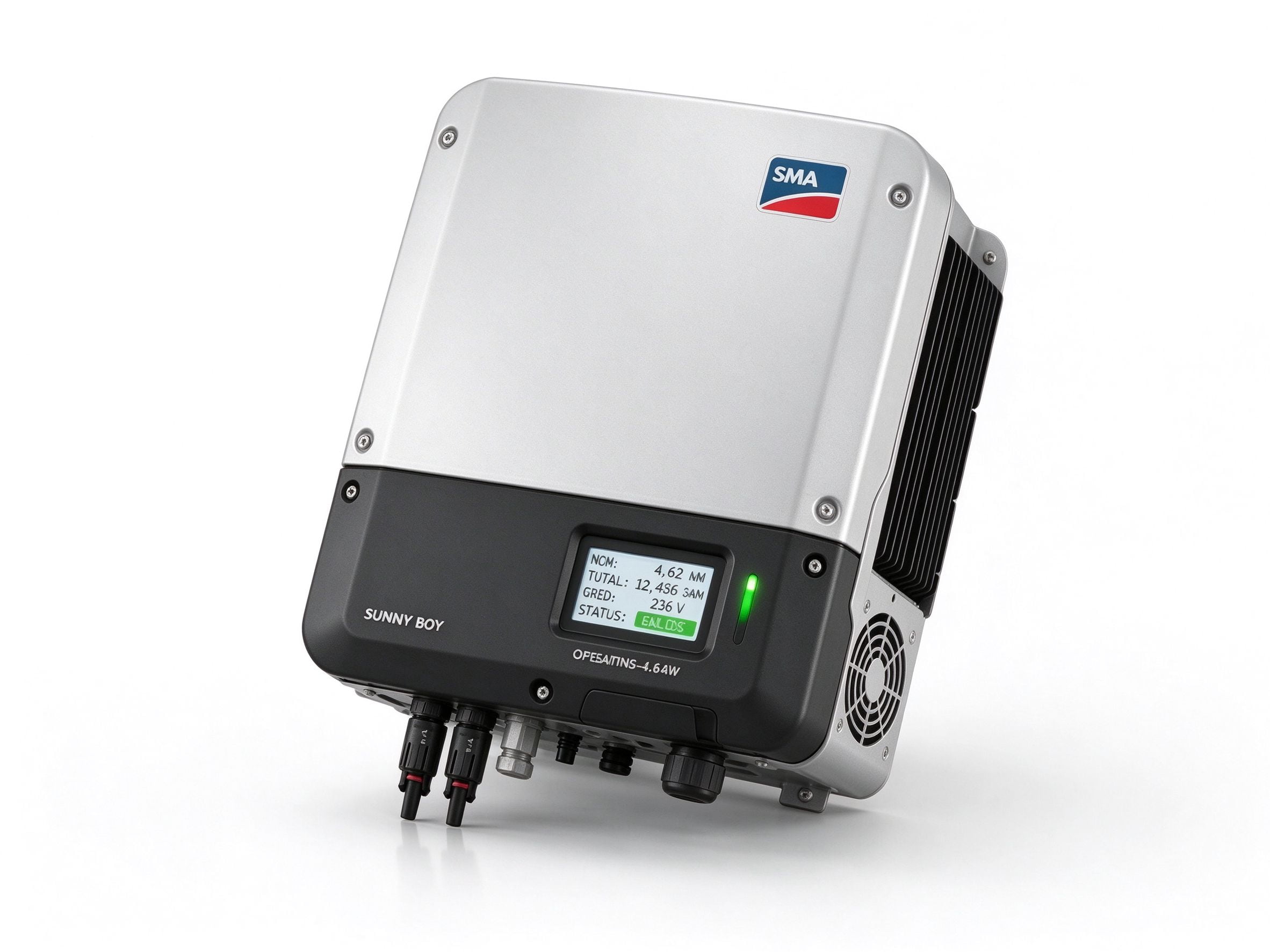
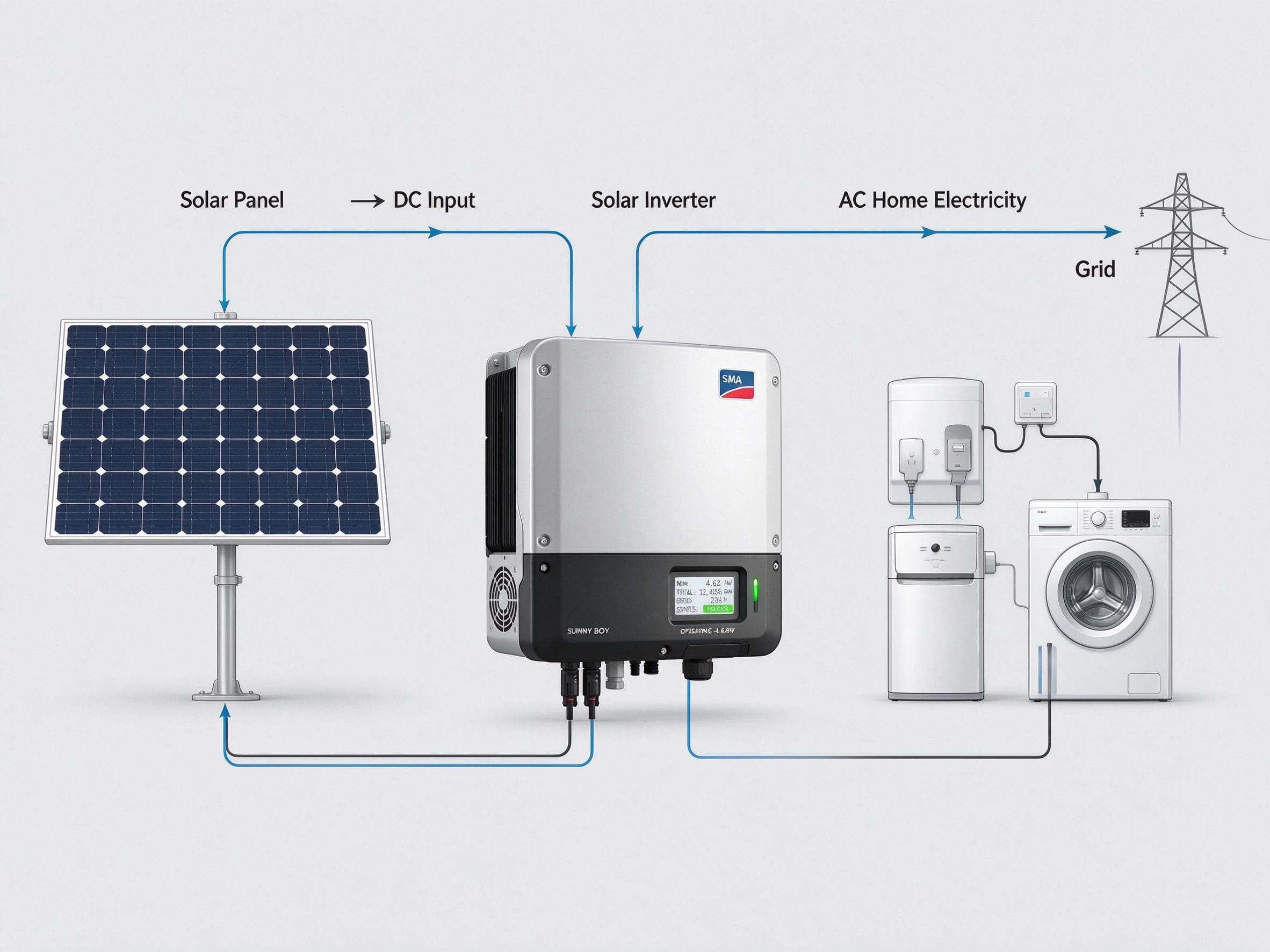
Solar panels produce direct current (DC), while homes operate on alternating current (AC). This home inverter efficiently converts harvested solar energy into usable household electricity. With advanced power-conversion technology, it reduces energy losses while maintaining stable output performance. The inverter suits residential rooftop solar, small commercial PV systems, self-consumption solar installations, and grid-connected renewable energy projects. By improving energy conversion efficiency, homeowners can maximize the value of every watt their solar panels generate.
Intelligent Grid-Tied Solar Power Management
A grid-tied Home Inverter does more than convert electricity. It continuously manages the relationship between your solar system and the utility grid. During daylight hours, solar panels generate electricity, and the inverter converts DC power to AC electricity. Your home uses solar energy first, and excess electricity can be exported to the grid depending on local regulations. This intelligent energy flow lets homeowners rely less on the grid and use more renewable energy.
LCD Monitoring for Real-Time Solar Performance Tracking
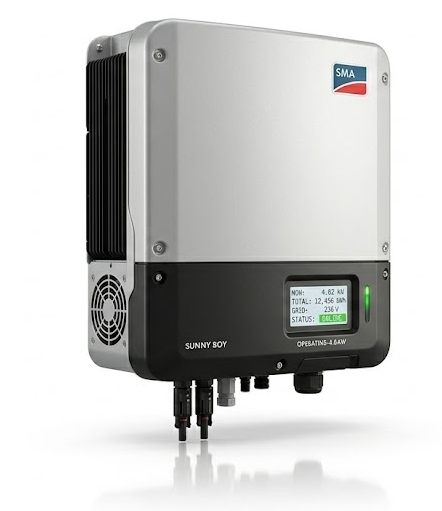
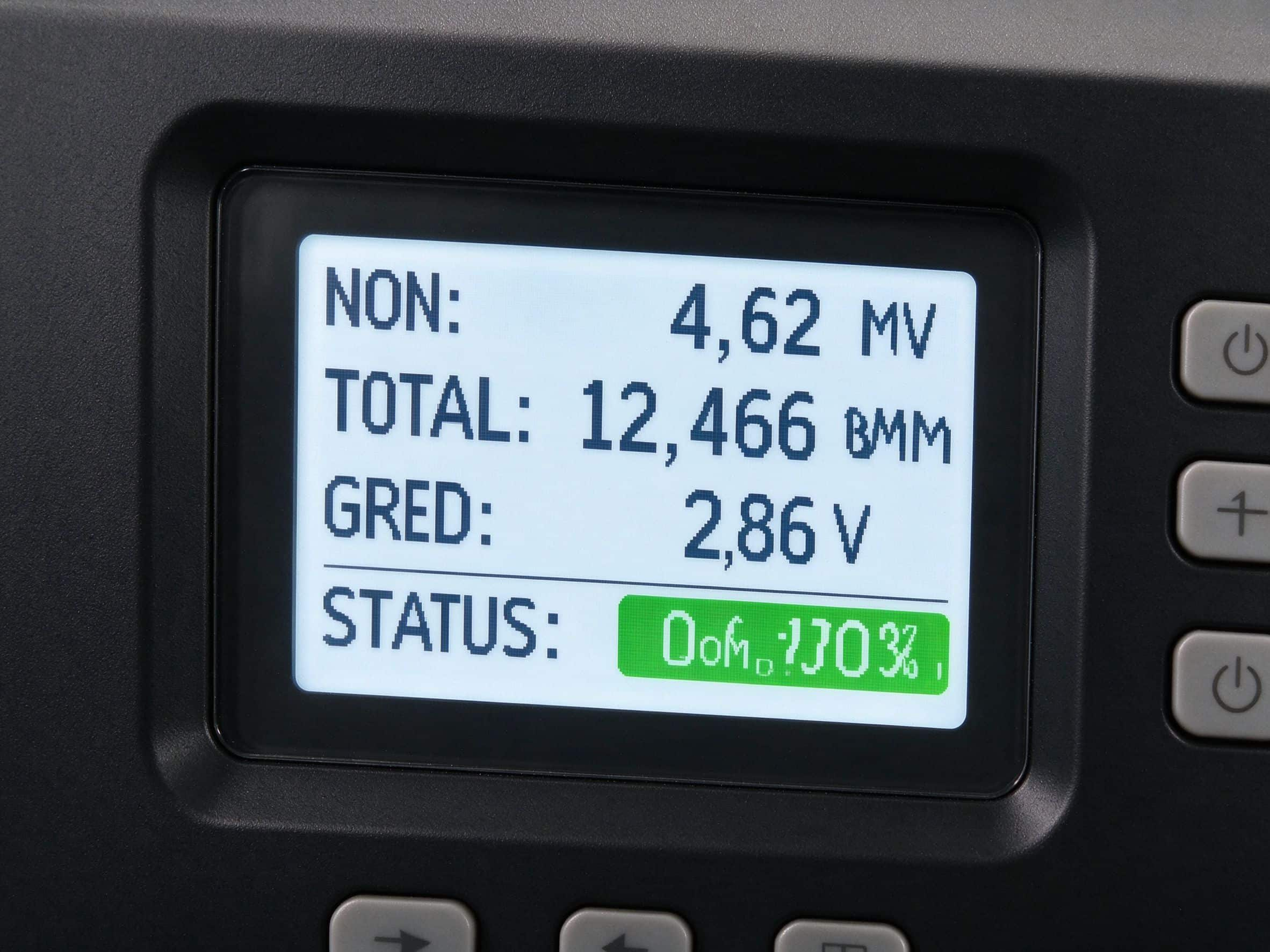
Understanding solar production helps homeowners manage their energy system effectively. The integrated LCD provides convenient access to key operating information, including current power output, daily energy generation, system status, and performance data. Instead of guessing whether the system is working properly, users can quickly check performance directly from the inverter. This real-time visibility makes it easy to monitor solar production and keep the system running at its best.
Reliable Cooling and Weather-Resistant Outdoor Design
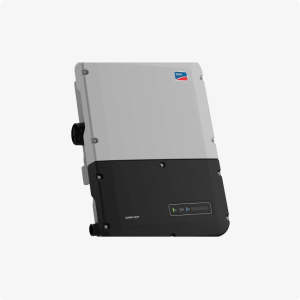
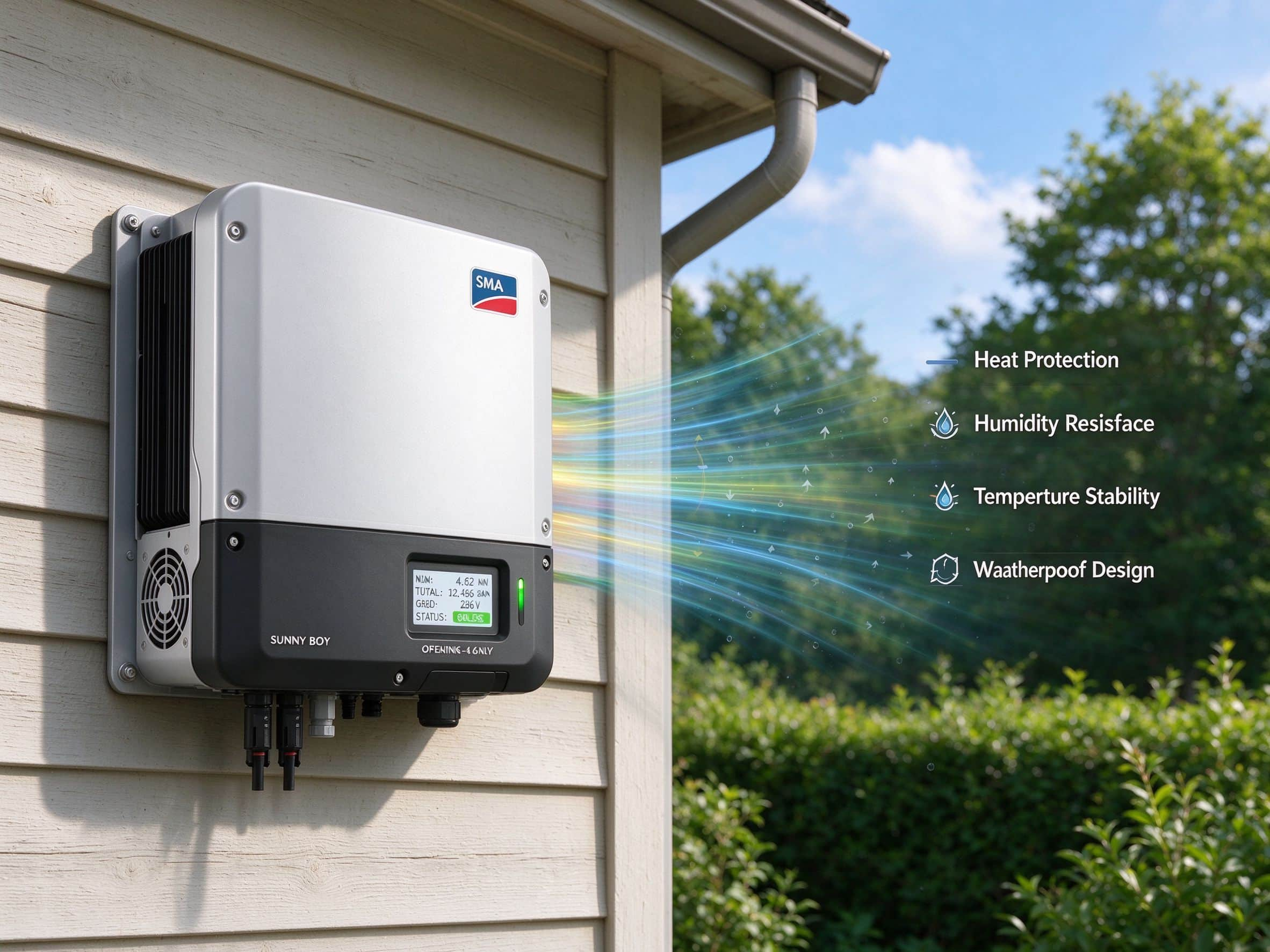
Solar equipment operates in challenging outdoor environments. This inverter features a durable aluminum housing built for long-term outdoor installation. The cooling system helps maintain stable operating temperatures during continuous solar production, especially in warm climates. The protective design shields internal components from heat, humidity, temperature swings, and outdoor exposure. This makes it suitable for wall-mounted installation near residential solar arrays.
Flexible Installation for Residential and Small Commercial Applications
The compact design allows flexible installation in different solar environments, making this inverter suitable for a wide range of photovoltaic projects.
Home Inverter Use on Residential Rooftop Solar
Homeowners can install this inverter as part of a complete rooftop photovoltaic system to generate clean electricity and reduce utility costs. It pairs perfectly with high-efficiency monocrystalline solar panels for maximum energy production.
Solar Home Inverter Use on Small Commercial Buildings
Workshops, offices, and small businesses can use multiple units for scalable solar energy generation. The modular approach allows businesses to start small and expand as energy needs grow.
Renewable Energy Upgrades
Existing solar systems can integrate efficient inverter technology to improve energy management. Replacing an older inverter with this high-efficiency model can help boost overall system performance.
Build a Complete Solar Power System
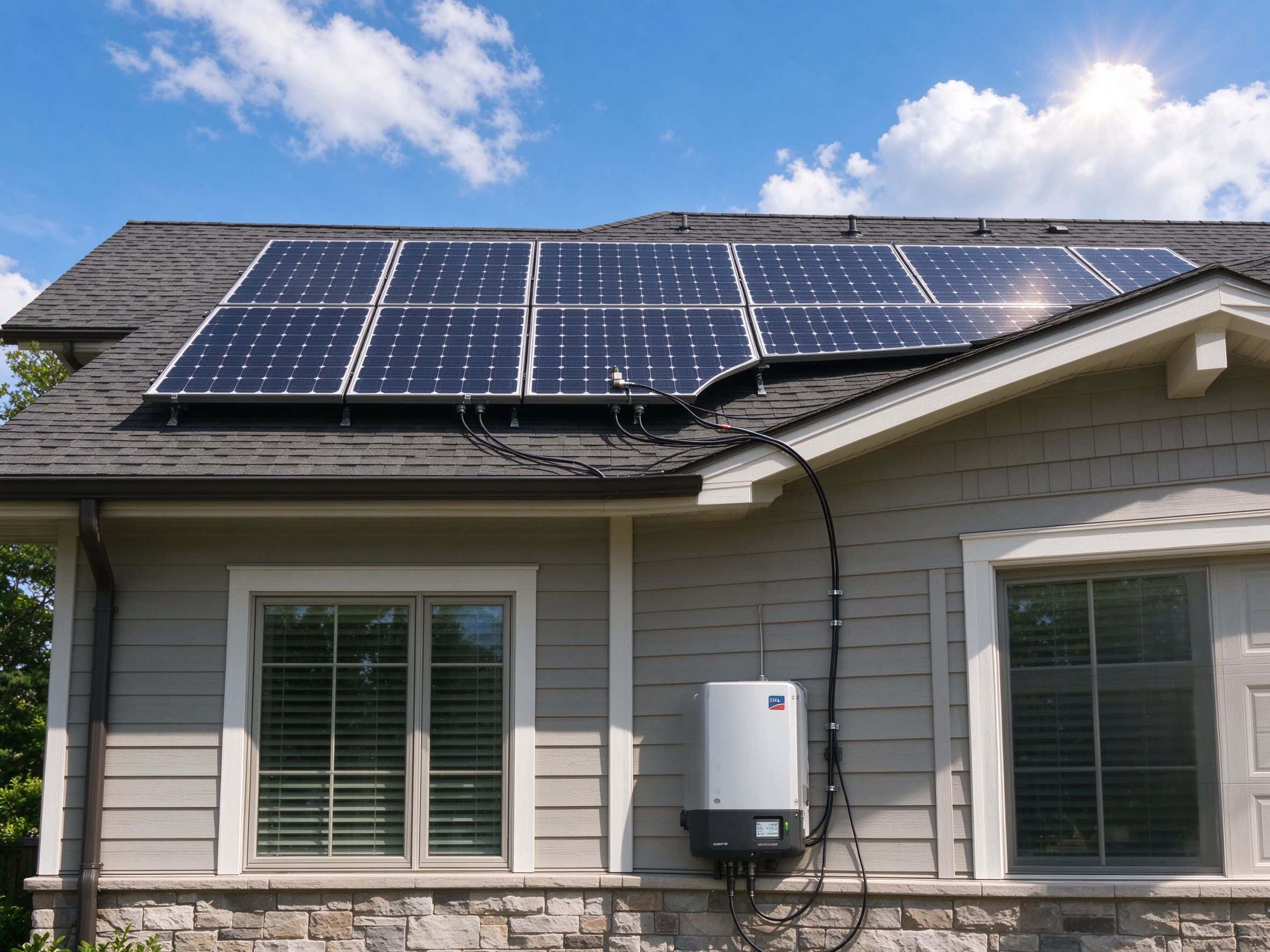
A home inverter works best when combined with high-quality solar components. Start with a high-efficiency solar panel to generate clean DC electricity. Then use this solar inverter to convert DC power into usable AC electricity. For backup applications, add an energy storage system to store excess electricity for later use. Together, these components create a complete solar power system that meets your daily energy needs.
Solar Home Inverter vs Micro Inverter: Which One Should You Choose?
Choosing between a string solar home inverter and a micro inverter depends on your roof layout and energy goals. String inverters use a central unit that manages all panels together, making them more affordable and easier to maintain. Micro inverters install at each panel for individual optimization, which works better for complex roofs with shading. For simple rooftop layouts with uniform sunlight, a string inverter like this 4.6kW model offers excellent value. If your roof has multiple angles or shading issues, consider a micro inverter instead.
|
Comparison
|
String Solar Inverter
|
Micro Inverter
|
|---|---|---|
|
Installation
|
Central unit
|
Panel level
|
|
Cost
|
Lower
|
Higher
|
|
Best For
|
Simple rooftops
|
Complex roofs
|
|
Maintenance
|
Easy access
|
Panel-level
|
|
Expansion
|
Moderate
|
Flexible
|
What Can a 4.6kW Solar Home Inverter Power?
A 4.6kW Home Inverter can support a range of household devices when paired with a suitable solar panel array. It can power home lighting, refrigerators, TVs, routers, and small appliances. This capacity is designed for typical residential use, not for powering an entire home with high-demand appliances at once.
-
Home lighting
-
Refrigerators
-
TVs
-
Routers
-
Small appliances