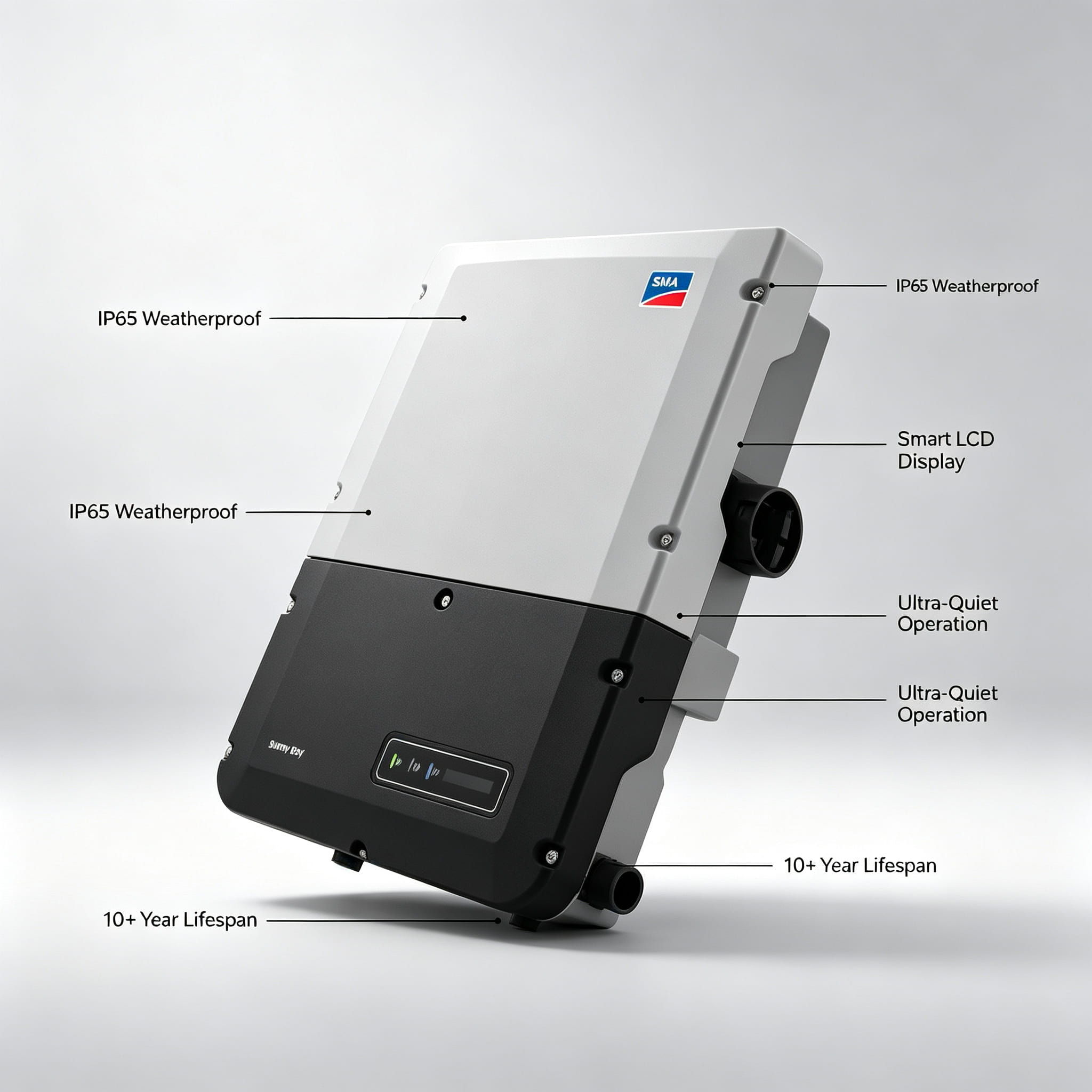
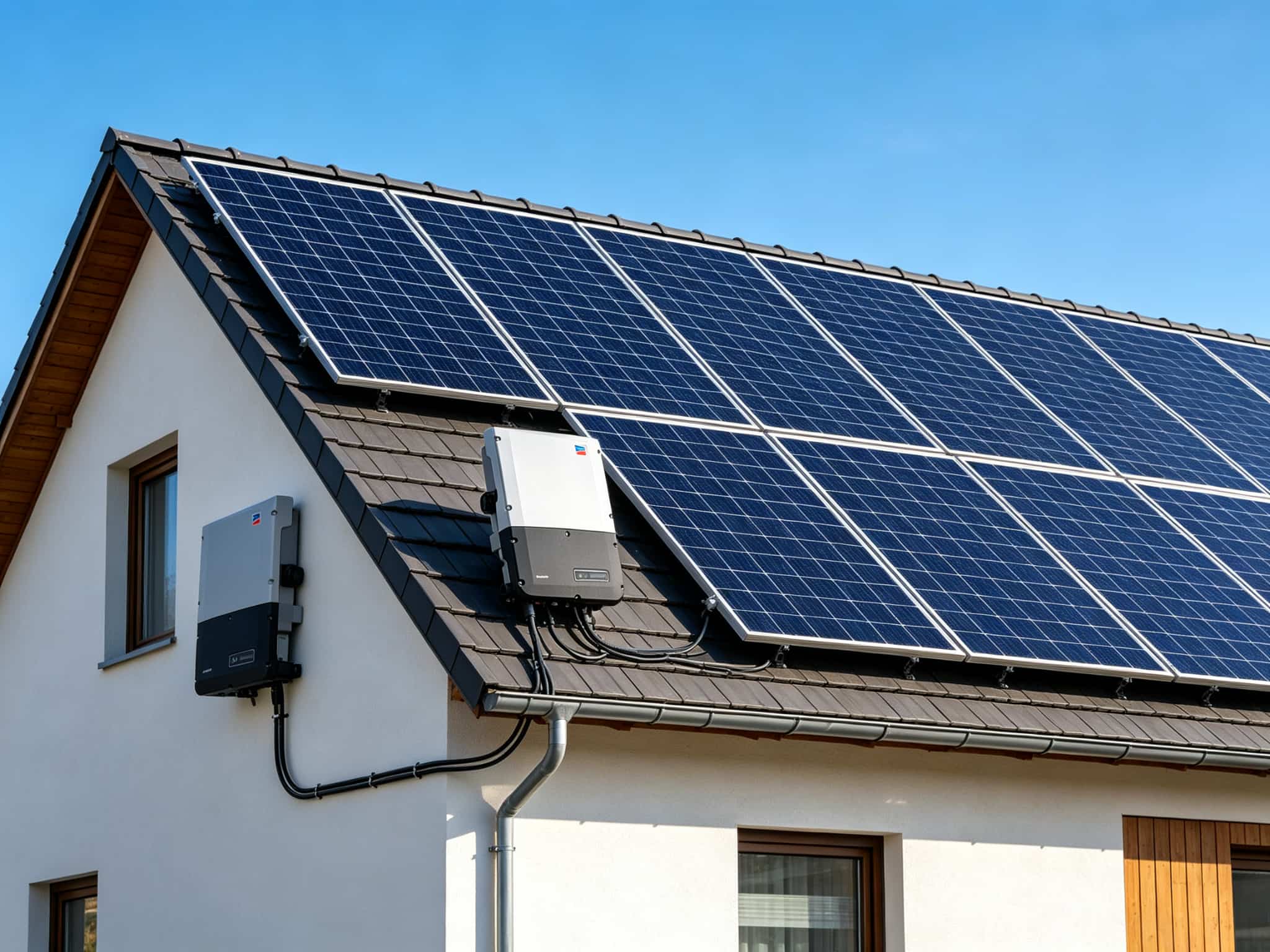
Smarter Energy Conversion at Every Solar Panel
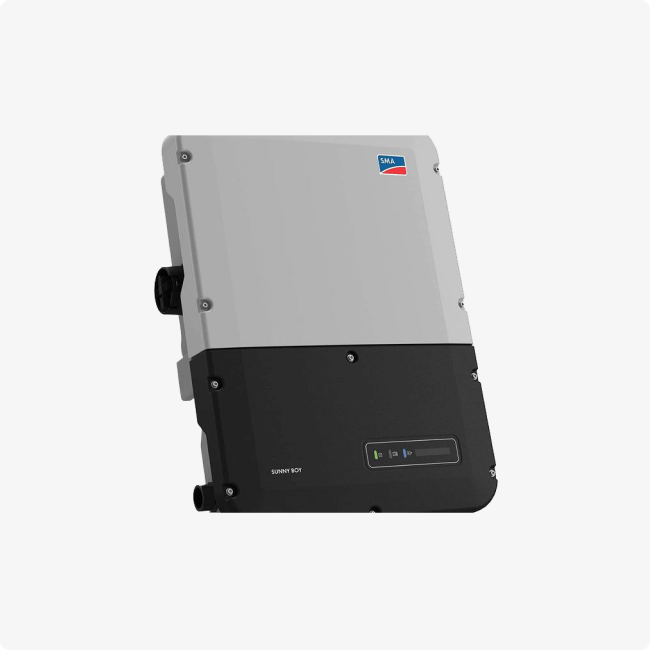
A solar system is only as strong as its weakest-performing panel. Traditional string inverter systems connect multiple solar panels together in a single electrical chain. When one panel experiences shading, dirt buildup, different orientation, or reduced performance, the output of the entire string can be affected. The Solar Microinverter solves this limitation by converting power at the individual solar panel level. Instead of relying on one centralized inverter, each panel operates independently with its own dedicated power conversion unit, allowing the system to capture more available solar energy throughout the day. Designed for residential rooftops, small commercial solar projects, and expandable renewable energy systems. This module-level micro inverter improves energy harvest, increases system flexibility, and provides a smarter approach to solar power management.
How Solar Microinverter Technology Works
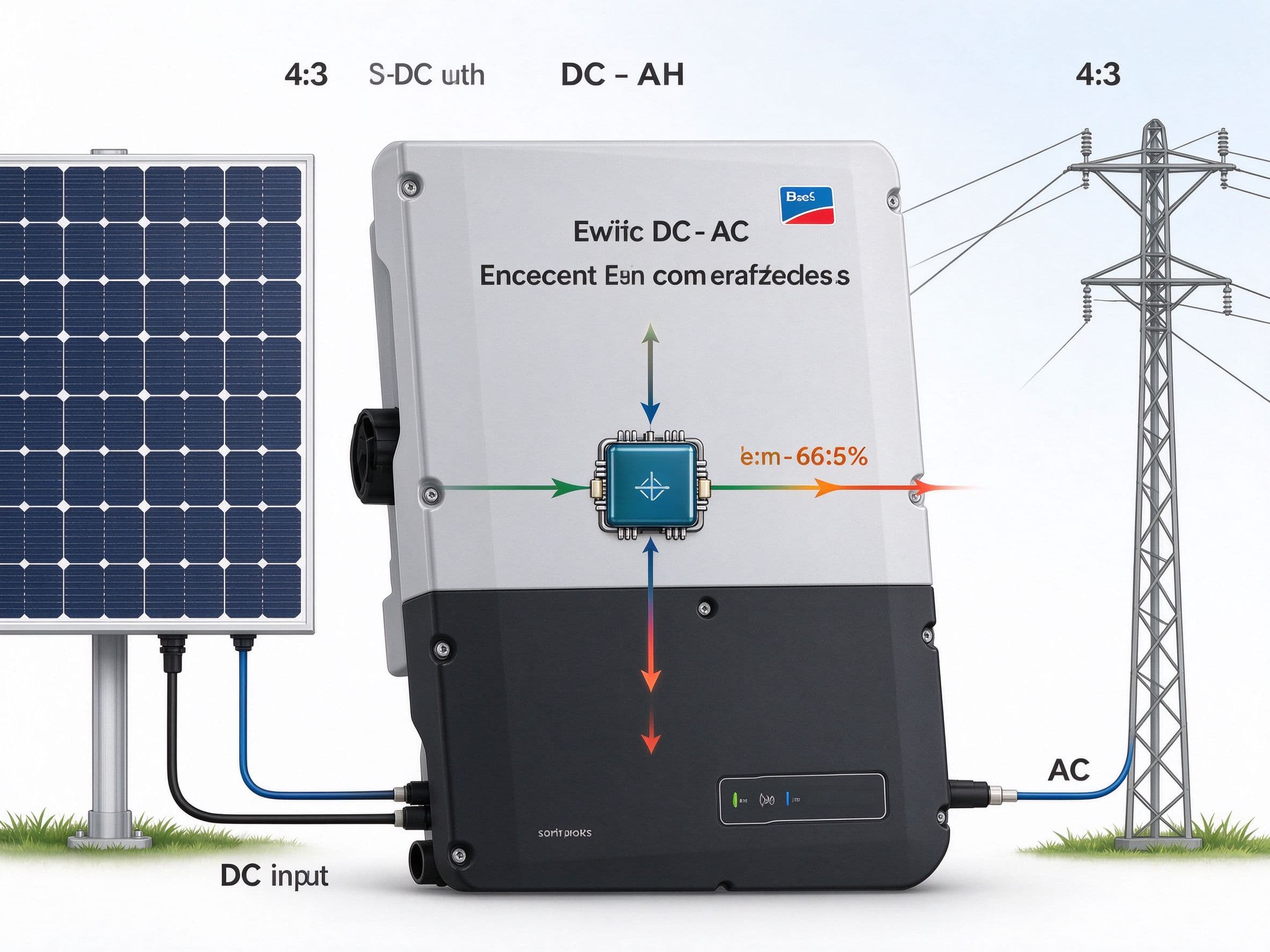
A micro inverter performs the critical job of converting the direct current (DC) electricity generated by solar panels into alternating current (AC) electricity used by homes and electrical systems. Unlike conventional string inverters that manage multiple panels together, a micro inverter operates directly behind or near each individual solar module. This module-level architecture provides several important advantages. Each solar panel can operate independently; panels facing different directions can produce energy more effectively. Shading on one panel does not significantly reduce the performance of others. The system can also be expanded gradually by adding additional panels and micro inverters. This makes micro inverter technology especially valuable for rooftops with complex layouts, partial shading conditions, or future expansion plans.
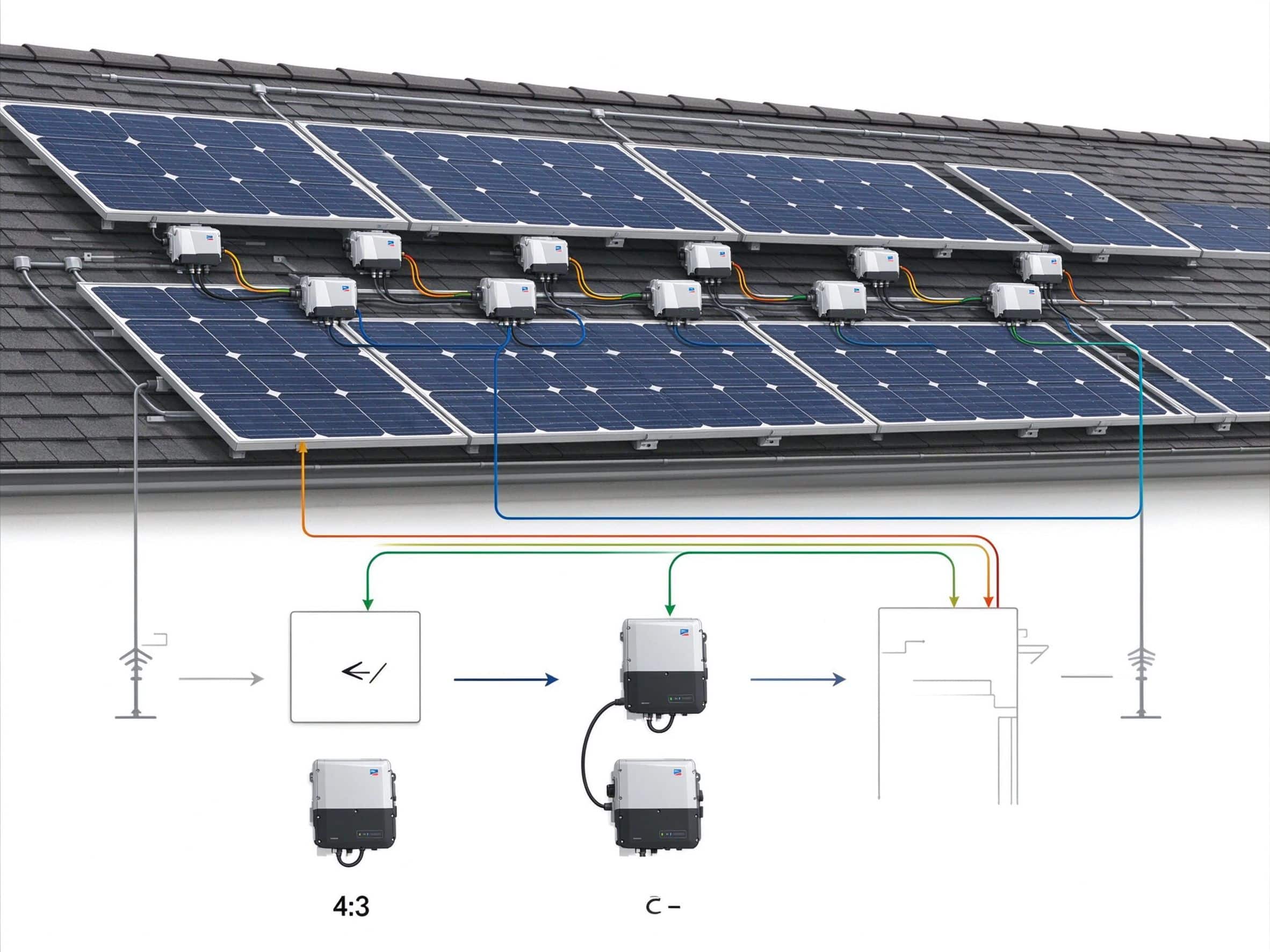
Module-Level Optimization Maximizes Solar Energy Production
Solar panels rarely receive identical sunlight throughout the day. Factors such as roof angle differences, nearby trees, buildings, chimneys, weather conditions, and dust accumulation can cause individual panels to perform differently. With traditional string inverter systems, all panels are connected together, meaning the weakest panel can limit the performance of the entire string. The Solar Micro Inverter eliminates this bottleneck by optimizing each solar panel independently. Every module can operate closer to its maximum power point, helping increase total energy production and making better use of available sunlight. For homeowners investing in solar, this means more consistent energy generation throughout the year.
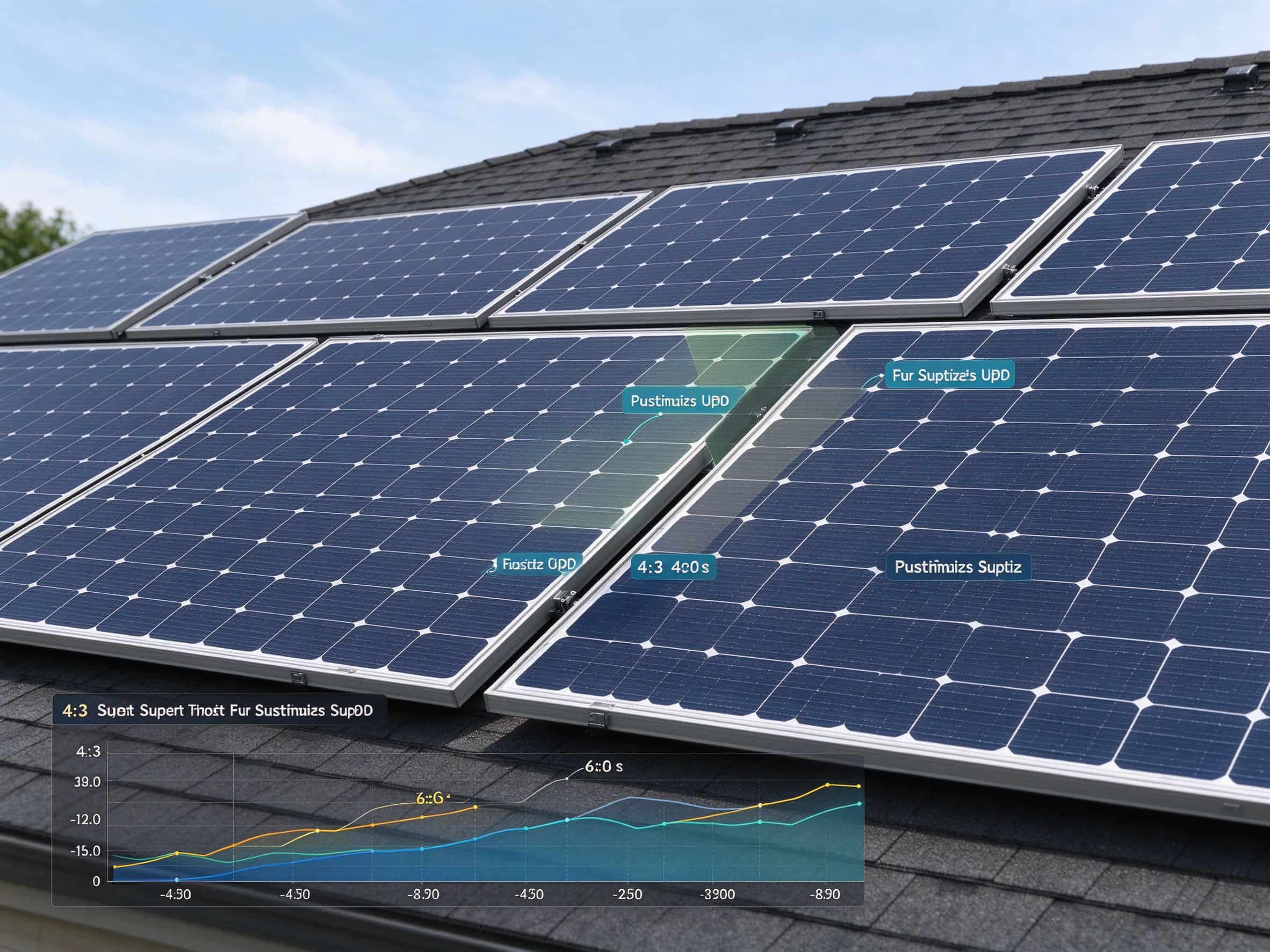
Superior Shade Management for More Reliable Solar Output
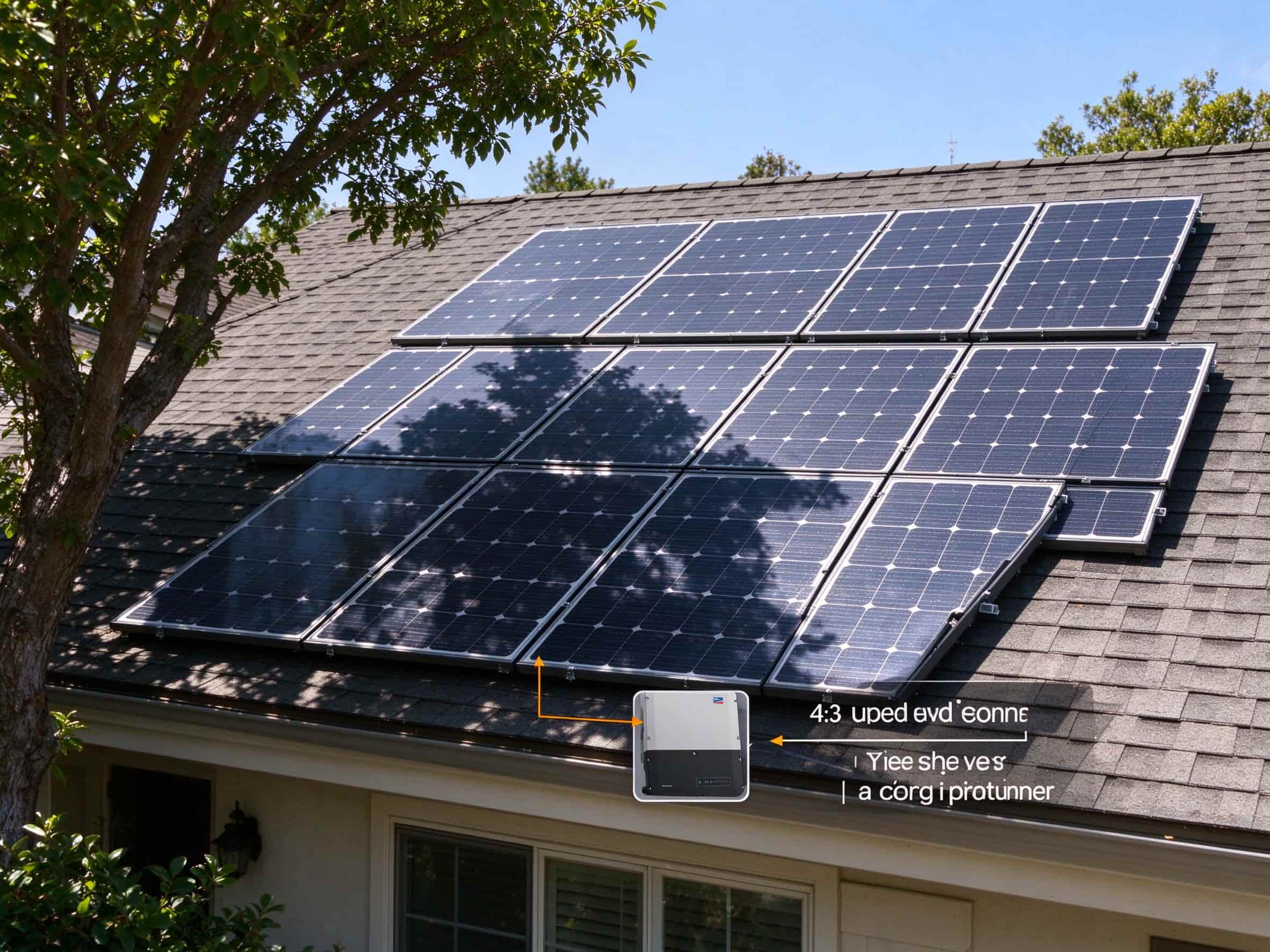
Partial shading is one of the biggest challenges in residential solar installations. A single shaded panel can significantly reduce the output of an entire solar string when using conventional inverter technology. Micro inverter systems solve this problem by separating panel performance. If one panel experiences temporary shading from trees, roof structures, nearby buildings, or seasonal sunlight changes. The remaining panels continue generating energy normally. This improves system stability and makes micro inverters an excellent choice for homes where perfect sunlight exposure is difficult to achieve. Instead of designing your home around your solar system, micro inverter technology allows your solar system to better adapt to your home.
High-Efficiency DC to AC Power Conversion
The primary role of any inverter is efficient energy conversion. The Solar Micro Inverter uses advanced power electronics technology to convert solar panel DC output into usable AC electricity with high efficiency. The compact conversion design reduces energy losses while maintaining stable power delivery. This makes it suitable for residential solar rooftops, small commercial installations, off-grid renewable projects, and hybrid solar systems. By placing conversion technology closer to the energy source, micro inverters help reduce transmission losses and improve overall system performance.
Safe Solar Power Management System
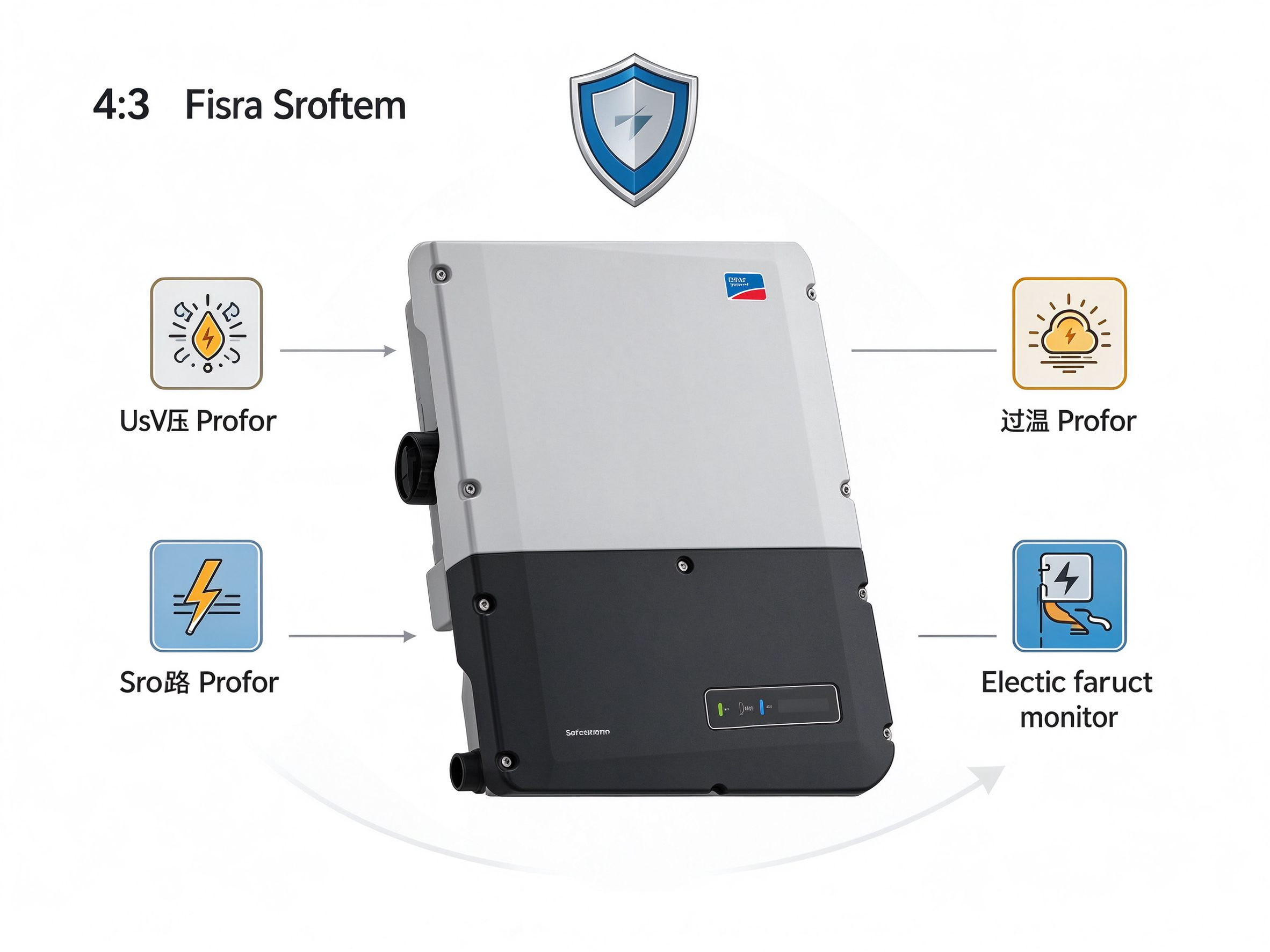
Safety is a critical part of residential solar installations. The Solar Microinverter includes integrated protection features designed to support reliable operation. Protection functions include overvoltage protection, overtemperature protection, short-circuit protection, and electrical fault monitoring. By operating at the panel level, micro inverter systems can also reduce some of the high-voltage DC risks associated with traditional string inverter architectures. This provides an additional layer of safety for residential solar applications.
Ideal Applications for Solar Microinverter
The Solar Microinverter fits a wide range of solar installation scenarios, from residential homes to small commercial buildings and compact renewable energy setups. Its module-level design makes it especially effective where traditional string inverters struggle with shading, complex roof layouts, or future expansion needs.
Residential Rooftop Solar
Perfect for homes where roof orientation, shading, or limited installation space makes traditional inverter systems less effective. Each panel operates independently to maximize energy harvest across the entire rooftop.
Small Commercial Solar Projects
Provides scalable solar conversion for offices, workshops, and small commercial buildings. The modular design allows businesses to start small and expand as energy needs grow.
Balcony and Compact Solar Systems
The modular design allows flexible installation where space is limited. Apartment balconies, tiny homes, and compact urban setups can all benefit from panel-level power conversion.
Hybrid Renewable Energy Systems
Can be integrated into systems combining solar with other renewable sources such as battery storage or wind energy. The flexible architecture supports mixed energy configurations for off-grid and backup applications.