
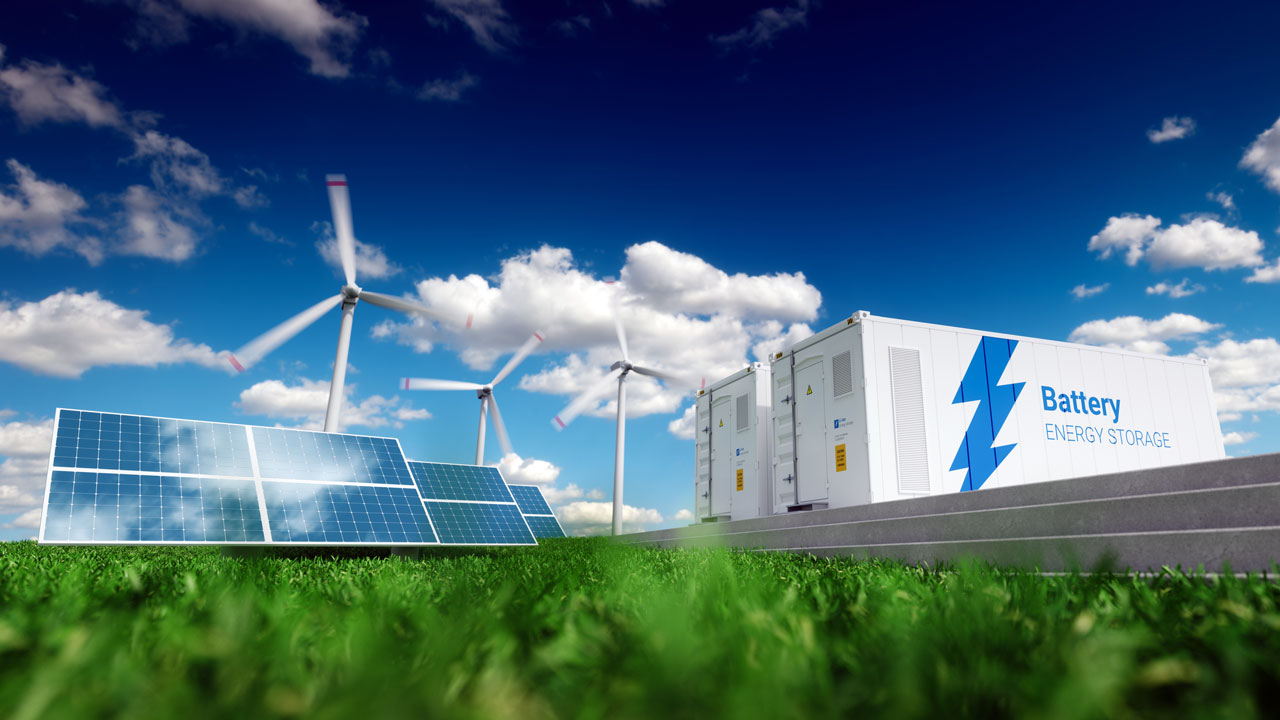
A solar-powered electric fence is designed to operate reliably even in less-than-ideal weather conditions. Many people worry that cloudy days may reduce the effectiveness of modern systems, but modern systems are designed with this in mind. By storing excess energy in built-in batteries, a solar electric fence can continue operating steadily even with limited sunlight. This means that even during overcast conditions, the fence can still deliver consistent voltage and maintain proper protection. In fact, most systems are engineered with backup capacity to ensure stable performance for several days without direct sun exposure.
How a Solar-Powered Electric Fence Works
A solar-powered electric fence converts sunlight into electricity through photovoltaic panels. This energy is stored in batteries and then used to power the fence charger. Even when sunlight is limited, a solar electric fence, solar-powered fence system, or photovoltaic fencing unit can operate using stored energy, ensuring continuous protection. The energizer sends controlled pulses through the fence line, creating a safe but effective deterrent for animals while maintaining energy efficiency. These pulses are short and intermittent, which minimizes power consumption while still delivering enough voltage to deter livestock or wildlife. This efficient energy cycling enables solar-powered systems to remain reliable even in challenging environmental conditions.
Solar Electric Fence Performance in Cloudy Weather
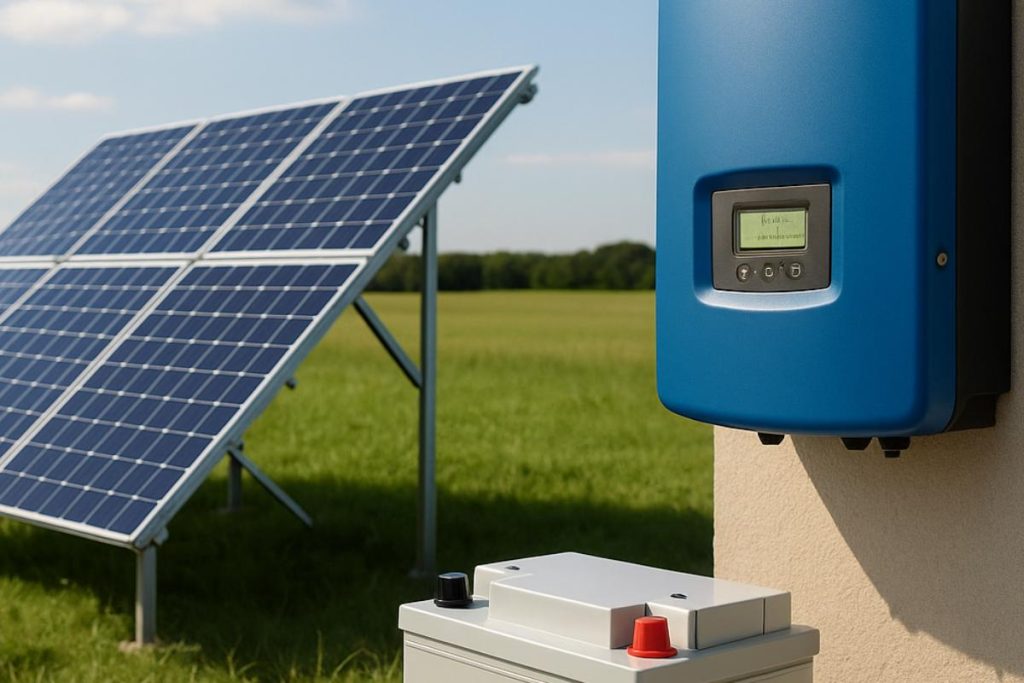
The performance of a solar electric fence in cloudy weather depends on panel efficiency and battery capacity. Although solar generation decreases, the system continues to operate using stored energy. High-quality designs handle low-light conditions efficiently, while advanced panels capture diffused sunlight. Modern controllers also optimize energy use to maintain stable performance. In addition, proper system sizing ensures the stored power is sufficient to support the fence during extended cloudy periods, preventing interruptions in protection.
Voltage Output and Efficiency
A solar-powered electric fence maintains voltage output through regulated energizers. Even in cloudy conditions, a solar electric fence, solar-powered fencing unit, or solar energy fence charger can deliver sufficient shock levels. Efficiency depends on proper system sizing, ensuring enough stored energy to compensate for reduced sunlight. Consistent voltage is essential for both effectiveness and safety, ensuring reliable performance in different conditions. A well-calibrated system can maintain stable output over long distances, which is important for large farms or remote areas.
Solar Electric Fence Battery Storage Capacity
Battery storage is crucial to a solar electric fence system. A larger battery allows a solar fence system, solar-powered electric barrier, or solar electric fencing unit to operate longer without direct sunlight. This is especially important in regions with frequent cloudy or rainy days. In addition, high-capacity batteries can stabilize voltage output and reduce the risk of power interruptions, ensuring the fence remains effective at all times. Choosing the right battery type, such as deep-cycle batteries, can further improve durability and long-term performance. Proper battery management, including avoiding over-discharge and maintaining charge cycles, also plays a key role in extending the lifespan of the entire system.
Factors That Affect Performance
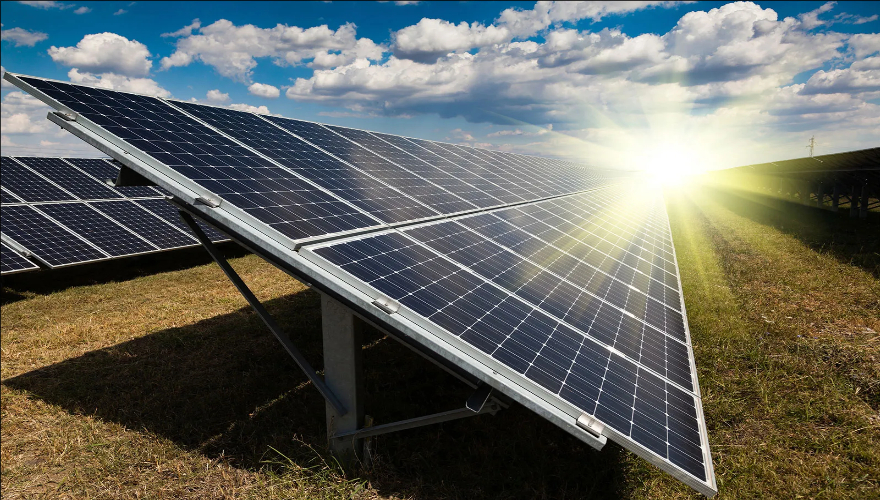
Several factors influence how well a solar-powered electric fence performs. These include panel size, battery quality, and fence load. A solar electric fence, solar-powered fencing system, or solar energy barrier will perform better when properly installed and maintained, even under cloudy skies. Environmental conditions such as shading, dust accumulation, and seasonal variations in sunlight can also significantly impact overall efficiency. Regular monitoring of these factors helps ensure consistent operation and prevents gradual performance decline. Additionally, terrain and fence length can influence energy distribution, underscoring the importance of designing the system to meet specific site requirements.
Panel Positioning and Angle
Proper positioning ensures a solar electric fence receives maximum sunlight. A solar fence system, solar electric fencing setup, or photovoltaic fence benefits from optimal tilt angles, improving energy absorption even on overcast days. Adjusting the panel direction based on geographic location can further enhance performance and maximize daily solar energy collection. Small adjustments in angle throughout the year can significantly improve energy capture efficiency. Installing panels in areas free from shade, such as trees or buildings, also helps maintain consistent charging and improves overall system reliability.
Maintenance and System Care
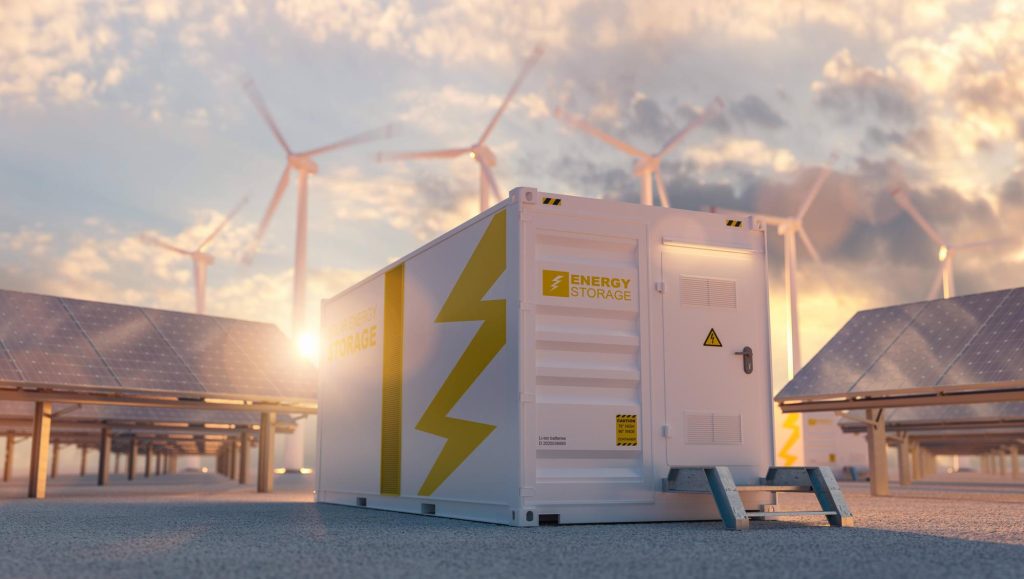
Regular maintenance helps a solar-powered electric fence perform efficiently. Cleaning panels and checking connections are essential for proper maintenance. These steps ensure the fence system works reliably, even in changing weather conditions. Routine inspections can also identify potential issues early, such as battery wear or loose wiring, preventing unexpected system failures. Keeping vegetation away from fence lines also helps maintain proper voltage and prevents energy loss. Regular voltage testing ensures the fence operates within the proper range and provides effective protection.