
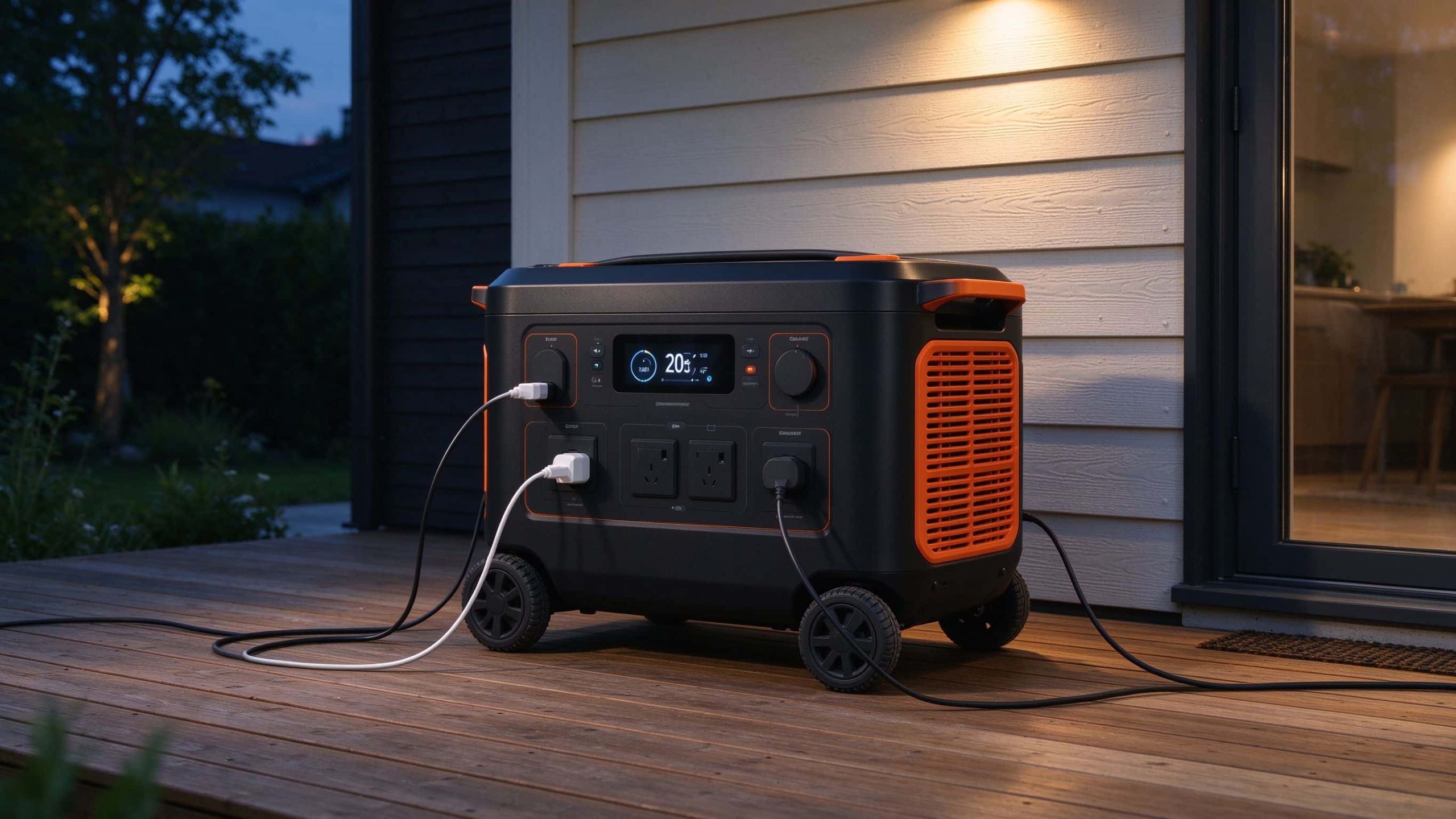
Most problems with the best home generator in your garage are not mechanical failures. They are cheap, simple things: stale gas, a plugged air filter, a tripped GFCI, or a battery that has gone flat after a year of sitting. You can fix the majority of them in ten minutes with a socket wrench and a multimeter. Before you pay for a service call. The fixes below walk through the two most common complaints — the engine cranks but will not fire. And the engine runs, but no power comes out — plus the running faults that can burn the unit up if you ignore them. Work through them in order. Stop when you find the problem, and call a technician only when the simple checks have all failed.
Why the Best Home Generator Cranks but Won’t Start
When the pull cord snaps or the starter motor spins but the engine never catches. The fuel system of your best home generator is almost always the cause. Gas goes stale in as little as 30 days, and ethanol blends absorb water from the air. That stale gas gums up the carburetor jets and leaves you with an engine that turns over but never fires. Drain the old gas out of the carburetor bowl, put in fresh fuel with a stabilizer, and try again. If it still will not start, pull the spark plug. A wet, black plug means the engine is flooded. A dry, tan plug means fuel is not reaching the cylinder at all. Clean or replace the plug, gap it to the spec in the owner’s manual, and try one more pull.
Do not skip the air filter. A dusty filter on a home backup generator that sat in a garage for six months chokes the engine the same way a blocked nose stops a runner. Pull it out, hold it up to the sun, and if you cannot see light through it, replace it.
No Power at the Outlet Even When the Engine Runs
It is a frustrating feeling: the engine is purring, the gas gauge reads half, and nothing happens when you plug in the fridge. You stand there holding the cord, wondering if the whole unit just died. Nine times out of ten, the engine is fine, and the power side of your best home generator has simply tripped a safety device. Home backup generators are covered in resets and cutouts on purpose. They protect you, your fridge, and the wiring from a short, a surge, or a backfeed, and they pop far more often than the engine actually breaks.
The fix takes seconds. Run through the two checks below in order — the panel reset first, then the board reset — and most of the time the power comes back before you finish the first cup of coffee. A multimeter helps. But you can also just plug a known-good lamp or phone charger into each outlet to see what is alive and what is dead.
Best Home Generator Check the Circuit Breaker and GFCI Reset
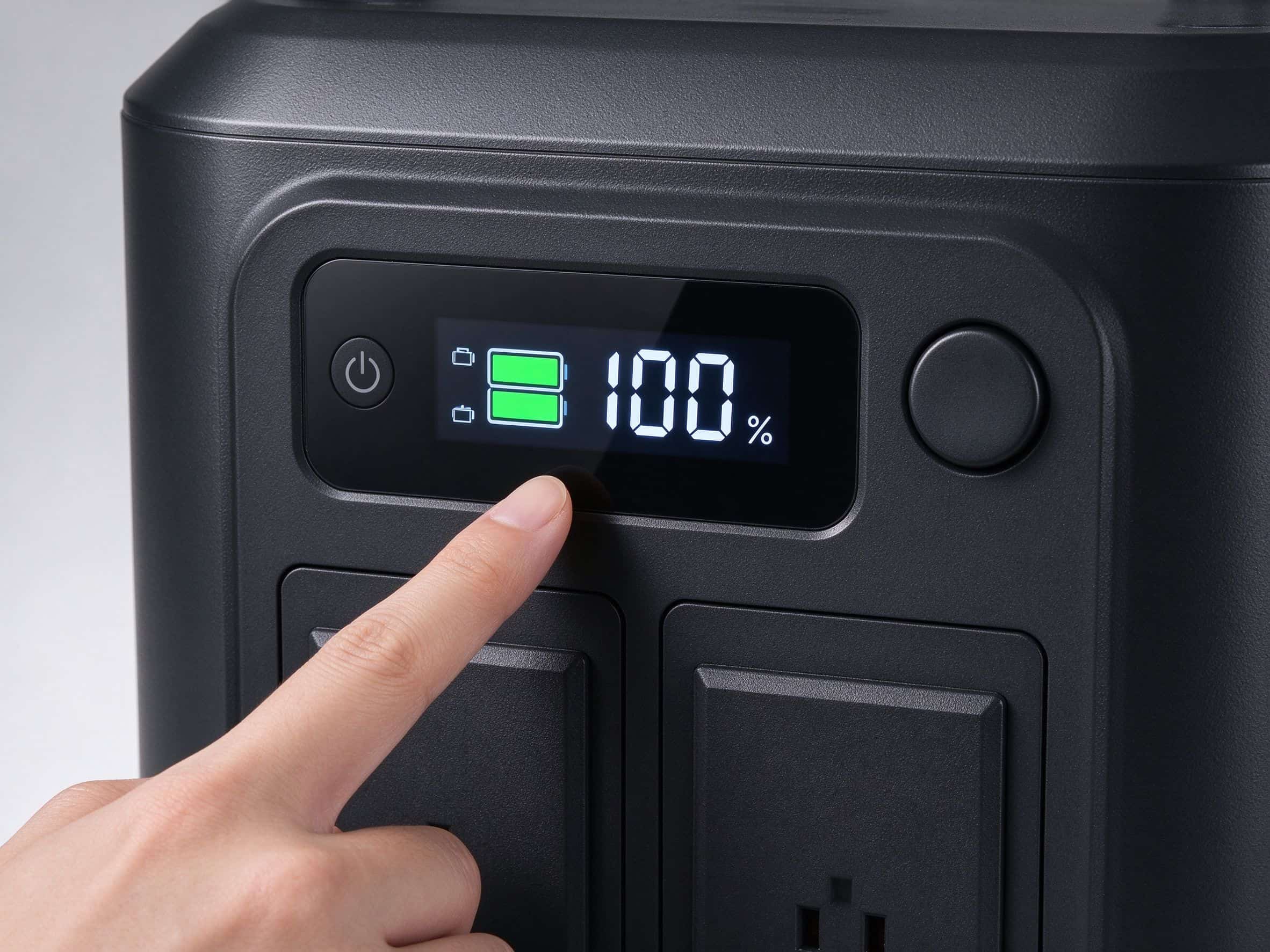
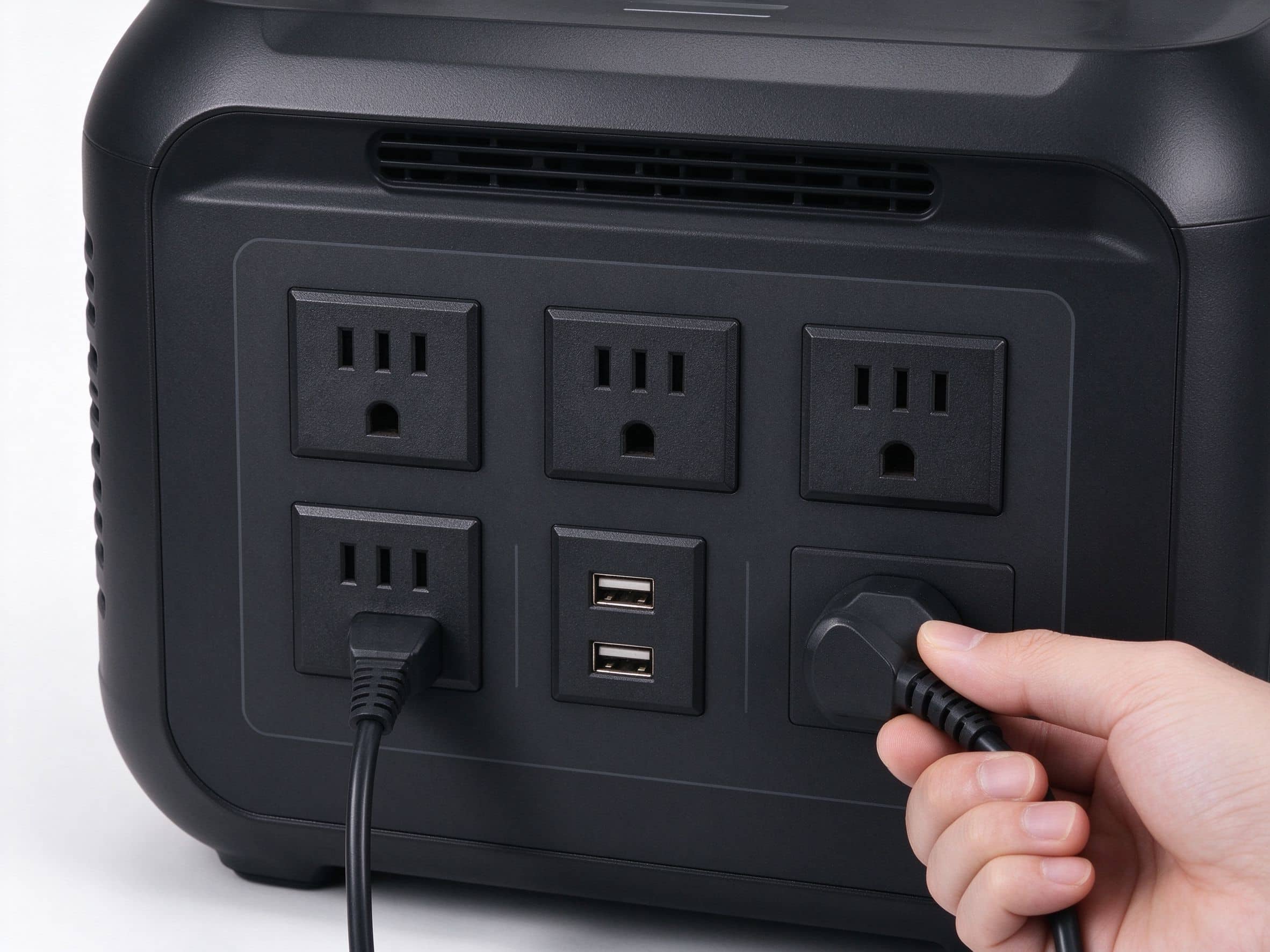
Look at the AC outlet panel on your home generator. A row of breakers sits next to the duplex receptacles. If one is tripped, push it firmly back to the on position. On units built after 2007, the outlets also have a small red or black reset button on each GFCI receptacle. That button pops when a stray current hits wet skin or a faulty tool. Press it until it clicks. Most “dead” backup generators come back to life after this one reset. Unplug every tool, reset the breaker and the GFCI, then plug one load back in at a time.
Reset the AVR or Inverter Board
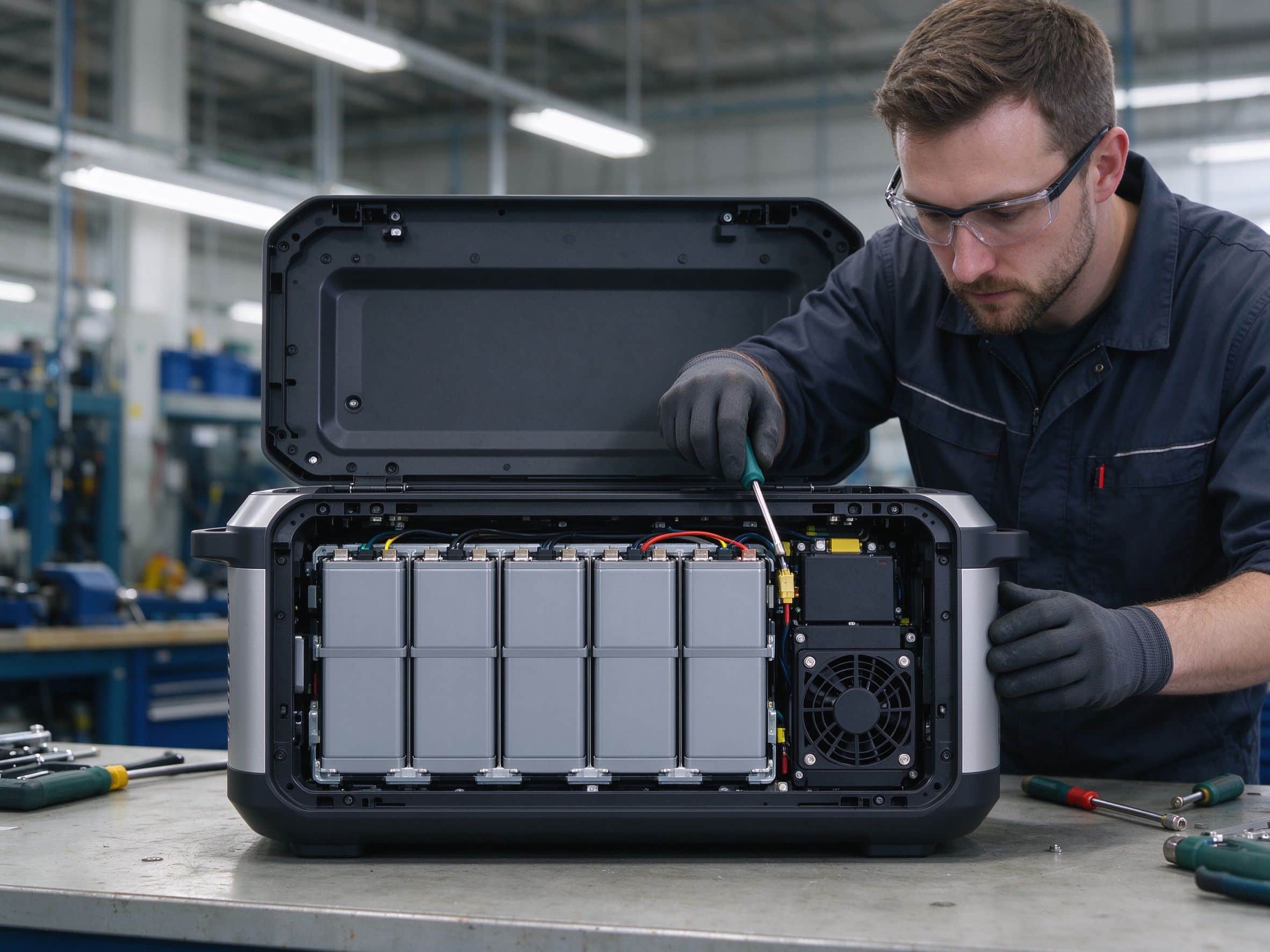
If the breaker and GFCI are fine but the outlets still read dead on a multimeter. The automatic voltage regulator (AVR) or the inverter module has shut down for protection. On inverter generators, unplug every load, turn the engine off, wait two minutes, and start it again with nothing plugged in. This soft reset clears the fault latch on most modern units. If the outlets still read zero after a cold restart, the AVR itself has failed. That is a part, not a reset, and it needs a technician with a multimeter and the parts diagram for your model.
Running Faults That Damage the Best Home Generator
Some problems do not stop the generator. They let it run while slowly destroying the engine. These are the faults you hear or smell, and they are the ones that turn a $50 fix into a $500 repair if you ignore them. Black smoke out the exhaust means the engine is running rich, usually from a stuck choke or a carburetor that needs cleaning. A rattling knock under load means low oil, a loose bolt, or a worn bearing — shut it off before the engine seizes. A generator that surges up and down with no load on it has a dirty carburetor jet. Letting it surge for weeks washes oil off the cylinder walls and accelerates wear. Run the unit once a month under a light load for 30 minutes. That cycles the fuel, charges the battery, and catches these faults before they strand you.
Stop Troubleshooting When the Simple Checks Fail
A home backup generator is not a mystery box. Most no-start and no-power issues come down to stale gas, a dirty filter, a tripped breaker, or a popped GFCI — all things you can fix on the driveway with basic tools. Drain the old fuel, check the spark plug, reset the outlets, and run the unit monthly. Do that, and the generator that has been sitting in your garage for a year will start on the first pull when the storm knocks the power out. If it still will not fire after those four checks, the fault is inside the engine or the inverter board. And that is the point where a technician with a multimeter and a parts list saves you more money than you spend on the service call.