
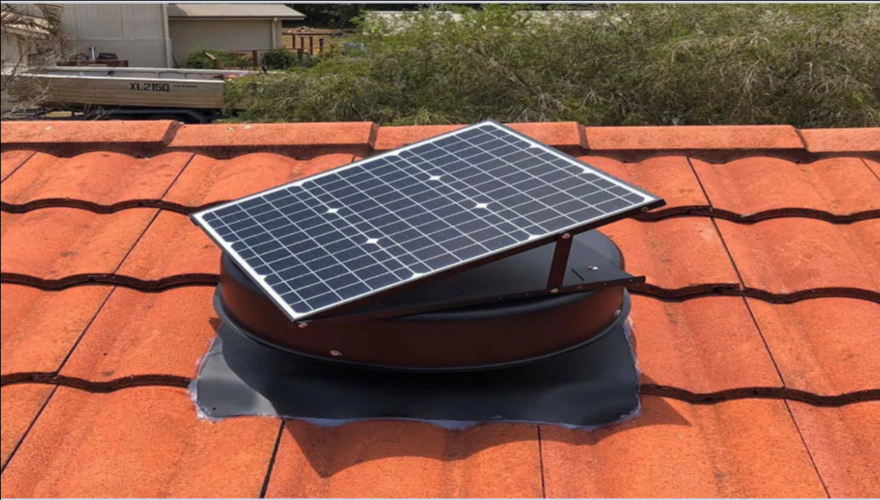
During peak summer months, attic temperatures often rise far beyond outdoor levels, frequently exceeding 130°F and sometimes approaching 150°F in regions with intense solar exposure. This trapped heat does not remain confined to the attic. Instead, it gradually radiates downward through insulation and ceiling structures, increasing indoor temperatures and forcing cooling systems to operate for longer cycles. Over time, this excess heat contributes to higher energy consumption, uneven room temperatures, and accelerated wear on roofing and insulation materials. A solar attic fan addresses these challenges by actively removing accumulated hot air using energy generated directly from sunlight. Unlike traditional electric ventilation devices, it operates independently of grid power and responds naturally to solar intensity. When sunlight is at its peak, and attic heat buildup is at its worst, the fan delivers its highest airflow.
Ideal Roof Locations for a Solar Attic Fan
The installation location of solar attic fans plays a decisive role in determining ventilation efficiency. Hot air naturally rises and collects at the highest point within the attic, making areas near the roof ridge or upper roof slope the most effective exhaust locations. When the fan is positioned close to this heat concentration zone, it can expel superheated air before it spreads laterally across the attic or penetrates the ceiling below. Roof orientation further influences performance. South-facing and southwest-facing roof planes typically receive the most consistent sunlight throughout the day, allowing the fan to operate steadily during peak heat periods.
Shading must be carefully evaluated before installation. Obstructions such as mature trees, chimneys, skylights, neighboring structures, or rooftop equipment can block sunlight for extended periods, significantly reducing airflow output. Even partial shading during midday can compromise performance when ventilation demand is highest. Roof pitch and surface condition also matter. A properly angled roof allows rainwater to flow away from the fan base, supporting weather resistance and reducing the risk of moisture intrusion.
How a Solar Attic Fan Improves Airflow Patterns
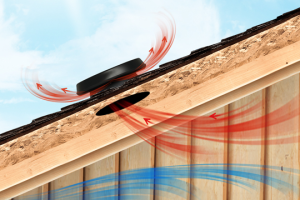
A solar attic fan achieves optimal results only when it works in harmony with the attic’s overall ventilation system. Adequate ventilation relies on balanced airflow, which requires both exhaust at the roof level and adequate intake at lower points. While the fan actively removes hot air from the attic, cooler replacement air must enter through soffit vents, eave vents, or lower wall vents. Without sufficient intake ventilation, airflow becomes restricted, reducing the fan’s effectiveness and potentially creating negative pressure in the attic.
When intake and exhaust are appropriately balanced, airflow follows a predictable, natural path. Cooler outside air enters at the lowest points, warms as it absorbs heat from attic surfaces, and rises toward the exhaust point where the fan expels it. This continuous circulation prevents heat stagnation and helps maintain more uniform attic temperatures throughout the day. In well-designed installations, attic temperatures can drop 20 to 30 degrees Fahrenheit during sunny conditions.
Effects on Indoor Comfort and Cooling Demand
When heat buildup above the ceiling is reduced, less thermal energy transfers into occupied spaces. Upper floors, which are often the warmest areas of a home or commercial building, benefit most from this improvement. Rooms feel more comfortable during the afternoon, and temperature differences between floors become less pronounced.
Reduced heat transfer also eases the workload of air-conditioning systems. Cooling equipment operates more efficiently when attic temperatures are lower, cycling less frequently and maintaining steadier indoor conditions. This smoother operation helps reduce peak cooling demand during the hottest hours of the day. Because solar-powered ventilation operates most effectively when sunlight is at its peak, it naturally complements cooling needs without increasing electricity consumption. Over time, occupants often notice more stable indoor temperatures, improved comfort during extended heatwaves, and fewer periods of overheating in top-floor spaces.
Moisture Control and Structural Protection
Heat is only one of the challenges present in poorly ventilated attics. Moisture accumulation can be equally damaging, especially in regions with high humidity or significant temperature swings. Warm, moisture-laden air trapped beneath the roof can condense on cooler surfaces such as rafters, roof decking, and insulation. This condensation creates favorable conditions for mold growth, wood decay, and insulation degradation, all of which compromise indoor air quality and structural integrity.
Consistent ventilation helps remove moisture before condensation can form. By maintaining steady air exchange, attic humidity levels remain more stable across seasons. In warm climates, ventilation helps reduce humidity buildup on hot, humid days. In cooler months, it helps prevent condensation caused by warm indoor air migrating upward into a colder attic. This ongoing moisture control protects roofing materials, framing components, and insulation performance. Over time, the attic remains drier, cleaner, and better equipped to support the long-term health of the building structure.
Maintenance and Reliability of a Solar Attic Fan
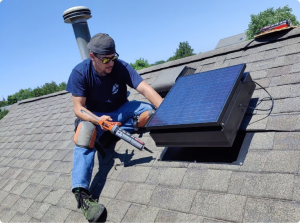
A solar attic fan is valued not only for its performance but also for its ease of operation. With no reliance on household wiring or grid electricity, installation is straightforward, and ongoing maintenance demands are minimal. Routine care typically involves occasional visual inspections to ensure the solar panel remains clean and unobstructed, and that leaves, dust, or debris have not accumulated around the fan housing or intake vents.
Modern solar fans. Many models incorporate brushless motors that reduce friction, lower operating noise, and extend service life. Weather-sealed housings protect internal components from rain, dust, and temperature extremes. Because the fan activates automatically in response to sunlight, there is no need for manual controls or frequent adjustments.
Long-Term Effects of a Solar Attic Fan Installation
Consistently lower attic temperatures help insulation perform as intended, reducing unwanted heat transfer and supporting indoor comfort across seasons. Roofing materials experience less thermal stress, which can slow aging, reduce warping, and minimize the risk of premature deterioration. These effects are especially valuable in climates with intense sun exposure and prolonged summer heat.
During summer, reduced attic heat reduces cooling demand. During transitional seasons, steady ventilation helps stabilize attic conditions as outdoor temperatures fluctuate. Even in regions with variable sunlight, daily operation supports a more balanced attic environment.