
Key Safety Risks of Portable Power Inverters
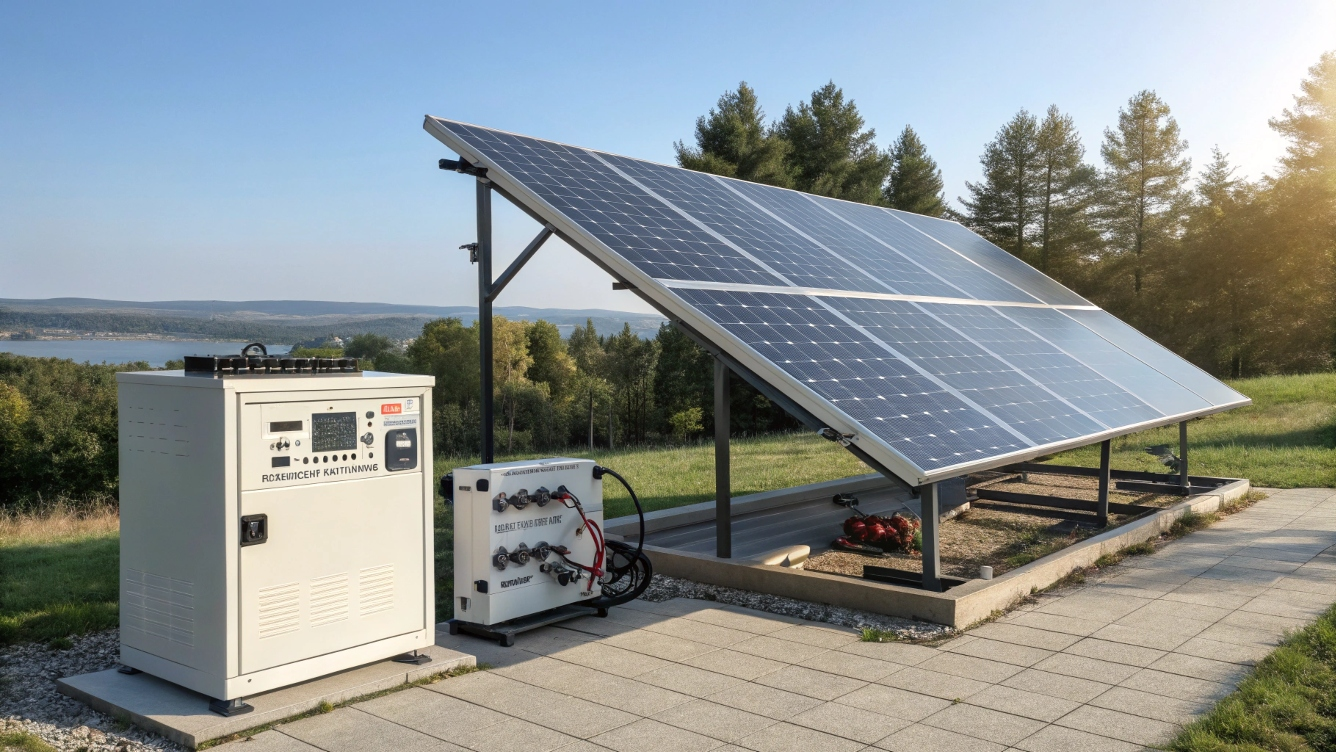
Most disasters stem from attempting to draw continuous power from small, compact devices. Improper inverter operation can cause overheating, component burnout, and short circuits. Choosing cheap, unbranded inverters without quality assurance risks damaging sensitive electronics due to unstable voltage. Low-quality adapters often omit essential protection features like surge and thermal shutdown. Also, improper wiring, loose connections, or poor-quality cables can generate resistance, converting to heat that melts insulation. Electricity and water are incompatible—ensure your power equipment stays dry and away from flammable materials to avoid short circuits.
Safe Usage Tips for a Portable Power Inverter
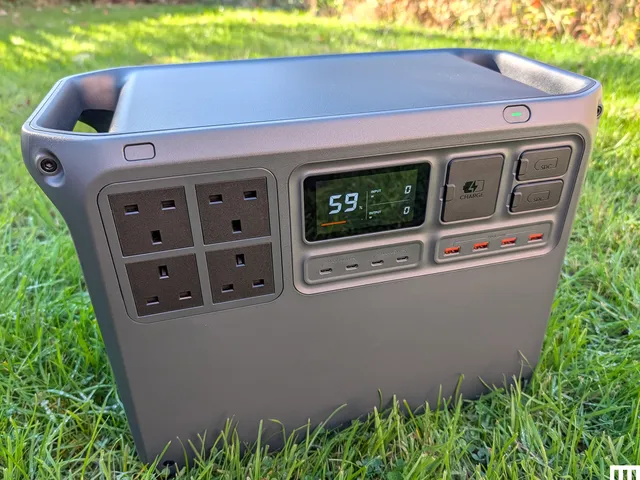
Operating an inverter safely isn’t complicated, but it’s not as simple as plugging it in and forgetting about it. In addition to considering the electrical load, you must also pay attention to its physical environment. Most malfunctions occur when users hide the unit in corners or ignore the mess of cables underneath it. Ultimately, ensuring safe operation hinges on three key pillars: 1. Secure and reliable electrical connections; 2. Providing ample clearance for cooling fans to breathe; and 3. Accurately determining when to appropriately reduce power output to prevent overheating and avert potential hazards. As long as you get the initial setup right, you won’t have to spend your entire journey constantly looking over your shoulder.
Proper Installation and Connection Rules
First and foremost, you must ensure that the device is connected to a stable and reliable 12V or 24V power source. Voltage spikes are the primary adversary here; loose battery clamps are almost invariably the culprit behind sparks or sudden, abnormal voltage drops. The device requires adequate airflow; otherwise, it is highly susceptible to overheating and burning out. Before flipping the power switch, take a moment to perform a quick visual check of all connecting cables. Regarding placement, ensure the device is kept well away from gasoline, stacks of paper, and any other flammable materials that could be ignited by a spark.
Avoiding Overload and Overheating Issues
Before connecting appliances like a mini-fridge, calculate their required power consumption (wattage). Every power inverter has a maximum power limit, and exceeding it can blow a fuse or damage your vehicle’s battery. If using high-power tools, avoid running them continuously at full load for long periods, especially for an hour. If the device casing feels hot or burns, shut it down immediately. While high-quality devices often have built-in overheating sensors and auto shut-off, don’t rely solely on these features. Daisy-chaining too many devices increases electrical resistance, making power output unstable and putting strain on the entire system.
How to Choose a Safe and Reliable Inverter
Stop focusing solely on the lowest-priced products listed on the page. You must look for—and verify the presence of—three key certification marks: UL, CE, or FCC. These certifications are not merely decorative; they indicate that the device has passed rigorous testing to ensure it poses no fire hazard. A high-quality, reliable power inverter includes a built-in intelligent logic system. This system instantly and automatically cuts off power when it detects a power surge (voltage spike). To cut costs, many low-priced, entry-level models often omit these critical safety protection circuits. However, risking a $1,000 smartphone just to save $20 is a trade-off that is simply not worth it.
Always remember the adage: to do a good job, one must first sharpen one’s tools. If you simply need to charge a mobile phone, a compact plug-in inverter will suffice; however, to power actual electric tools, you must invest in a professional-grade inverter capable of high-wattage output and equipped with a powerful cooling fan.
FAQ
1. Can a portable power inverter damage a car battery?
Yes. Sustained high-current draw while the engine is suppressed can lead to deep discharge, potentially dropping the battery voltage below the threshold required for the starter motor to engage.
2. Is it safe to run electronics off a portable power inverter?
Yes, provided the total wattage of the connected devices does not exceed the inverter’s continuous power rating and a Pure Sine Wave model is used for sensitive microprocessors.
3. Can I leave a portable power inverter plugged in all the time?
No. Most inverters exhibit a “parasitic draw” or no-load current. This constant electrical consumption will gradually deplete the vehicle battery even when no AC devices are active.
4. Do I need a pure sine wave inverter for safety?
While not strictly required for simple resistive loads (e.g., heaters), it is critical for protecting inductive loads and sensitive electronics from harmonic distortion and overheating.
5. What should I avoid when using a portable power inverter?
Avoid exceeding peak surge ratings, operating in high-humidity environments, and utilizing undersized or poorly insulated DC input cables.
Enjoy Portable Power Inverter Anytime, Anywhere
Ultimately, an inverter is merely a tool; its safety depends entirely on the person using it. Simply choose high-quality equipment, ensure it is properly ventilated, and—most importantly—do not expect a small vehicle battery to power your entire household’s electricity needs. Whether you are working at a remote job site or simply keeping your children’s iPads charged during a road trip, a little common sense goes a long way in avoiding unnecessary trouble. Respect the limits of your equipment, and you will effortlessly have all the off-grid power you need!