
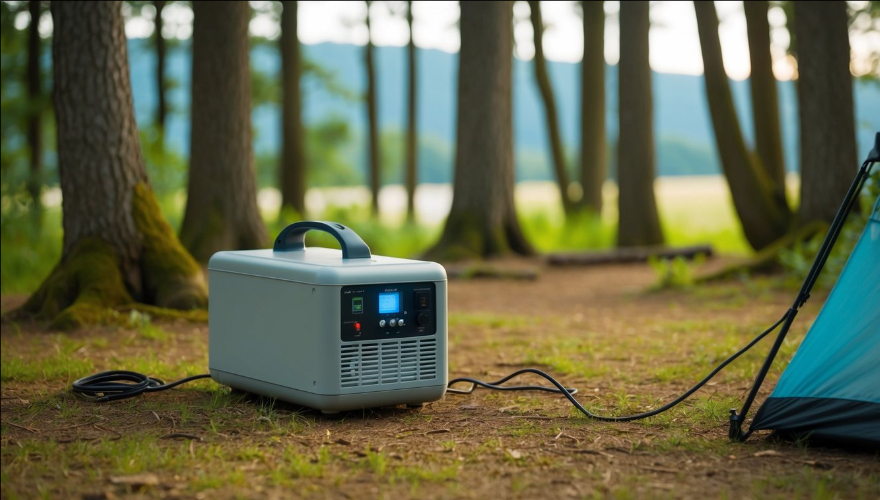
A power station camper has become an essential component for modern van life, providing off-grid electricity for lighting, appliances, and charging devices. With rising interest in solar-powered solutions and portable energy, many camper van users wonder about the safety of operating a power-station camper in wet weather. Understanding the electrical and environmental considerations is critical to preventing hazards, maintaining equipment longevity, and ensuring a reliable energy supply under adverse conditions.
Understanding the Water Resistance of a Power Station Camper
the primary concern is water ingress. Manufacturers typically design portable power stations with specific levels of protection against moisture, dust, and splashes. Many units carry an IP (Ingress Protection) rating, which indicates their resistance to water. For instance, an IP65-rated station can withstand low-pressure water jets from any direction without damage, while units rated IP67 or higher can survive brief submersion. However, even high IP-rated devices have limits and are not intended for prolonged exposure to heavy Rain. Proper placement of the power station camper under awnings, canopies, or inside weatherproof compartments significantly reduces the risk of water-related damage.
Most high-quality best camping power station feature sealed battery enclosures, corrosion-resistant ports, and protective casings for inverters and circuitry. These design features prevent water from contacting sensitive internal components. While the casings provide protection, attention should still be paid to cable connections. Even small amounts of moisture on AC or DC ports can create short circuits or reduce performance. Ensuring that all ports remain dry and using waterproof cable covers can effectively mitigate these risks. 
Risks of Electrical Shock and Short Circuits
Electrical safety is a central concern when operating a power station camper in the Rain. Although portable power stations use low voltage, moisture and electricity together can increase the risk of electric shock without proper precautions. Water can act as a conductor between live terminals and the user, potentially causing injury. Users should never touch exposed wiring or plugged-in devices while standing in wet areas.
Short circuits can also occur if water penetrates connector interfaces or internal components. Many manufacturers integrate safety mechanisms, such as overcurrent protection, fuses, and automatic shutdown features, which reduce the likelihood of accidents. Despite these safeguards, improper handling or exposure to heavy Rain can bypass these protections. Using only certified cables and connectors designed for outdoor use ensures that the power station camper operates safely, even in damp conditions.
Environmental Considerations
Rain is not the only factor affecting the safety of a power station camper. Environmental conditions such as temperature, wind, and puddle formation around the setup can influence performance and safety. Cold or freezing Rain, for example, may cause condensation inside ports or housings. Repeated exposure to fluctuating temperatures can also degrade battery seals, reducing water resistance.
Additionally, muddy or flooded ground increases the risk of moisture seeping into cables or connectors. Elevating the power station camper on a dry, insulated surface is recommended to maintain both operational efficiency and user safety. Combining rain protection with good airflow prevents overheating, as even waterproof enclosures can trap heat during heavy use, which can impact battery life and inverter performance. 
Best Practices for Using a Power Station Camper in Wet Weather
Optimizing safety while using a power station camper in rainy conditions requires proactive measures. Ensuring that the device is placed under a cover or canopy protects it from direct rainfall. Using waterproof or weather-resistant extension cords and port covers helps maintain dry connections. If the unit is connected to external solar panels, it is crucial to check the mounting system and cabling for leaks or exposed wiring.
Many portable power stations also come with built-in monitoring systems, such as the LCD that shows battery status, temperature, and voltage. Regularly checking these indicators can alert users to potential issues caused by moisture or environmental stress. Avoiding high-power appliance use during storms reduces the load on the battery and prevents potential overcurrent conditions that could exacerbate safety risks in wet environments.
Can a Power Station Camper Handle Rain?
Modern camping solar power stations are engineered for outdoor use and can tolerate light to moderate Rain if positioned correctly. However, submerging the unit or prolonged exposure to heavy rainfall may compromise safety. High-capacity models often include additional safeguards, such as automatic thermal management and waterproof battery enclosures, that allow them to function in less-than-ideal conditions without damage.
It is important to note that no portable energy device is entirely immune to water hazards. Treating a power station camper as an outdoor electrical appliance with care ensures longevity and prevents incidents. Keeping a backup shelter or waterproof casing readily available adds a layer of protection, especially during unpredictable weather events. 
Maintenance and Inspection After Rain Exposure
After heavy rainfall, inspect all ports, connectors, and external surfaces for moisture accumulation. Operators should dry all wet surfaces thoroughly before reconnecting devices or powering the station back on. They should also check battery terminals and inverters for corrosion. Water intrusion into the enclosure can cause this issue.
For units equipped with solar charging, cleaning panels, and checking for water damage at junction boxes is critical. While most solar camping equipment is weather-resistant, prolonged exposure to Rain and debris can impact efficiency. Performing routine inspections after wet weather helps operators keep the power station reliable and minimize safety risks over time through proper storage during rainy periods.
Using a power station camper in the Rain is feasible with modern, well-designed units, but it requires informed handling and careful placement. By understanding water resistance ratings, implementing protective measures, monitoring environmental conditions, and performing regular maintenance, camper van users can safely enjoy off-grid power without compromising safety or equipment performance.