
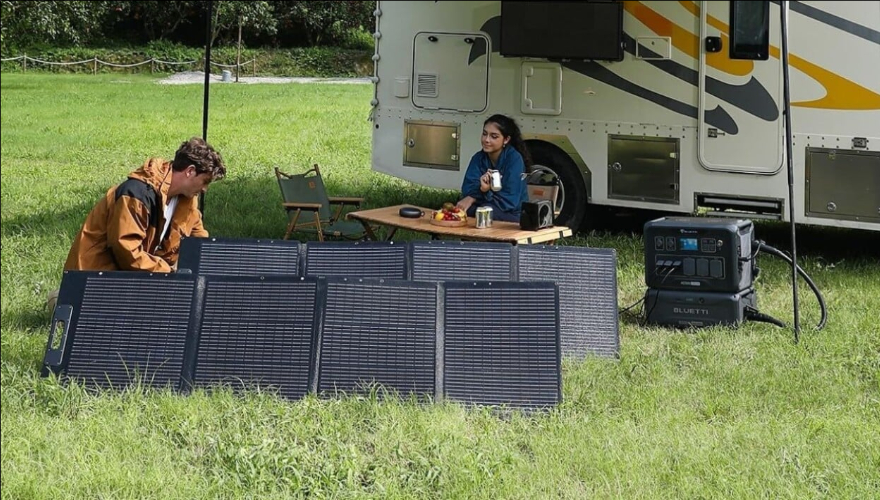
The camping solar power station combines rechargeable battery units with portable solar panels to generate, store, and deliver power wherever it is needed. They are increasingly popular for powering essential devices such as mini-fridges, smartphones, laptops, and lighting. By offering a versatile, sustainable alternative to gasoline generators, power station campers enable users to maintain independence and uninterrupted energy use in off-grid settings. The design integrates advanced battery technology, efficient photovoltaic panels, and inverters, allowing conversion from solar energy into both DC and AC electricity. As energy awareness grows, understanding the strengths and limitations of camping solar power stations helps make informed purchasing decisions.
Key Advantages of a Camping Solar Power Station
A camping solar power station’s most notable advantage is off-grid accessibility, allowing campers and travelers to maintain an electricity supply in remote areas without relying on gas or diesel generators. These systems operate silently, preserving the natural ambiance of outdoor environments and avoiding disturbance to wildlife or fellow campers. The environmental benefits are equally significant, as solar panels harness renewable energy without producing emissions. Additionally, power station campers offer versatile charging capabilities, accepting input from portable solar panels, car adapters, and wall outlets. With multiple output options, including AC, DC, and USB ports, they can power a wide range of devices, from smartphones and laptops to mini-fridges and small appliances. This combination of portability, versatility, and environmental friendliness makes camping solar power stations highly appealing to users who prioritize sustainable, reliable energy while on the move.
How a Camping Solar Power Station Works
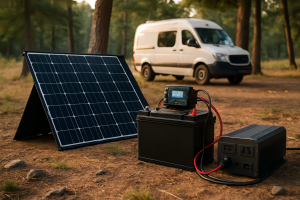
The functionality of a camping solar power station relies on the seamless integration of several components that convert, store, and distribute energy efficiently. At the core of the system is the battery unit, which typically uses advanced Lithium-ion or Lithium Iron Phosphate (LiFePO4) technology to provide reliable, long-lasting energy storage. Solar panels capture sunlight through photovoltaic cells, generating electrical energy that is stored in the battery for immediate or later use. The built-in inverter converts stored direct current (DC) into alternating current (AC), enabling the operation of standard household appliances such as mini-refrigerators, lighting systems, and portable cooking devices. Charge controllers regulate voltage and current to prevent overcharging, overheating, or battery damage, while additional safety features protect against short circuits and incorrect connections. By integrating these components, the system ensures energy is consistently available regardless of sunlight conditions, enabling users to maintain a stable, safe power supply in off-grid settings.
Benefits of Using a Camping Solar Power Station
The practical advantages of a camping solar power station are wide-ranging, encompassing convenience, sustainability, and emergency preparedness. Its portability allows users to transport and deploy it quickly, with foldable panels, handles, and compact designs enabling hassle-free setup in remote locations. From a sustainability perspective, these units generate clean, renewable energy, reducing reliance on fossil fuels and eliminating emissions from gasoline generators. Camping solar power stations are also highly valuable in emergencies, providing reliable electricity for essential devices such as communication tools, lighting, and medical equipment. Furthermore, their versatility extends to diverse outdoor applications: powering smartphones and laptops during hiking trips, maintaining cold storage for food in RVs, and supplying electricity to tiny homes or off-grid cabins. The combination of quiet operation, environmentally friendly energy generation, and adaptability ensures that power station campers are not only practical but also enhance the overall quality of outdoor and off-grid experiences.
Limitations and Considerations
The initial investment can be substantial, as high-capacity systems often cost several hundred to thousands of dollars, depending on battery size, panel efficiency, and additional features. Power output is generally lower than that of permanent installations, so users must manage energy consumption and may not be able to run high-demand appliances like air conditioners or large kitchen equipment. Performance is heavily dependent on weather conditions, with cloudy or rainy days significantly reducing solar energy capture. Additionally, large units can be bulky and challenging to transport, limiting portability in specific scenarios. Battery lifespan and proper maintenance are other critical considerations, as repeated charge cycles, extreme temperatures, and improper storage can degrade capacity over time.
Selecting the Right Camping Solar Power Station
Choosing an appropriate camping solar power station requires careful consideration of power requirements, portability, and environmental conditions. Smaller units, typically 200–500 Wh, are ideal for charging small devices and powering LED lights, while larger models exceeding 1000 Wh can support mini-fridges, small appliances, and portable cooking equipment. IP-rated waterproofing and robust casings ensure reliable performance under challenging outdoor conditions. Multiple output ports, including AC, DC, and USB-C, enhance flexibility, allowing simultaneous charging of various devices. Integrated safety features, such as charge controllers, overcharge protection, and temperature monitoring, are crucial for maintaining battery health and protecting connected devices. By aligning system capacity, portability, and safety features with intended usage, users maximize the efficiency, reliability, and lifespan of their power station camper, ensuring a worthwhile investment in off-grid energy.
Maximizing Performance of a Camping Solar Power Station
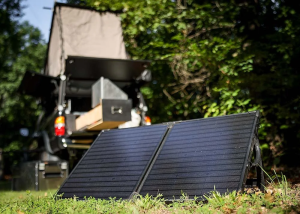
To ensure a camping solar power station delivers optimal performance and longevity. Solar panels should be positioned at the correct angle toward the sun, typically between 30 and 45 degrees, to capture the maximum energy throughout the day. Avoiding shaded areas enhances efficiency, while monitoring battery charge levels prevents deep discharge and overuse that can shorten battery lifespan. Panels and connectors should be cleaned regularly to remove dust, dirt, or debris that can reduce energy conversion efficiency. When powering sensitive AC devices, a pure sine wave inverter ensures safe, consistent power delivery. Mindful load management and proper storage during periods of non-use further protect the unit and maintain performance over time. By adopting these practices, campers and off-grid users can enjoy reliable, sustainable, and flexible energy from their solar power station for years of outdoor and emergency use.