
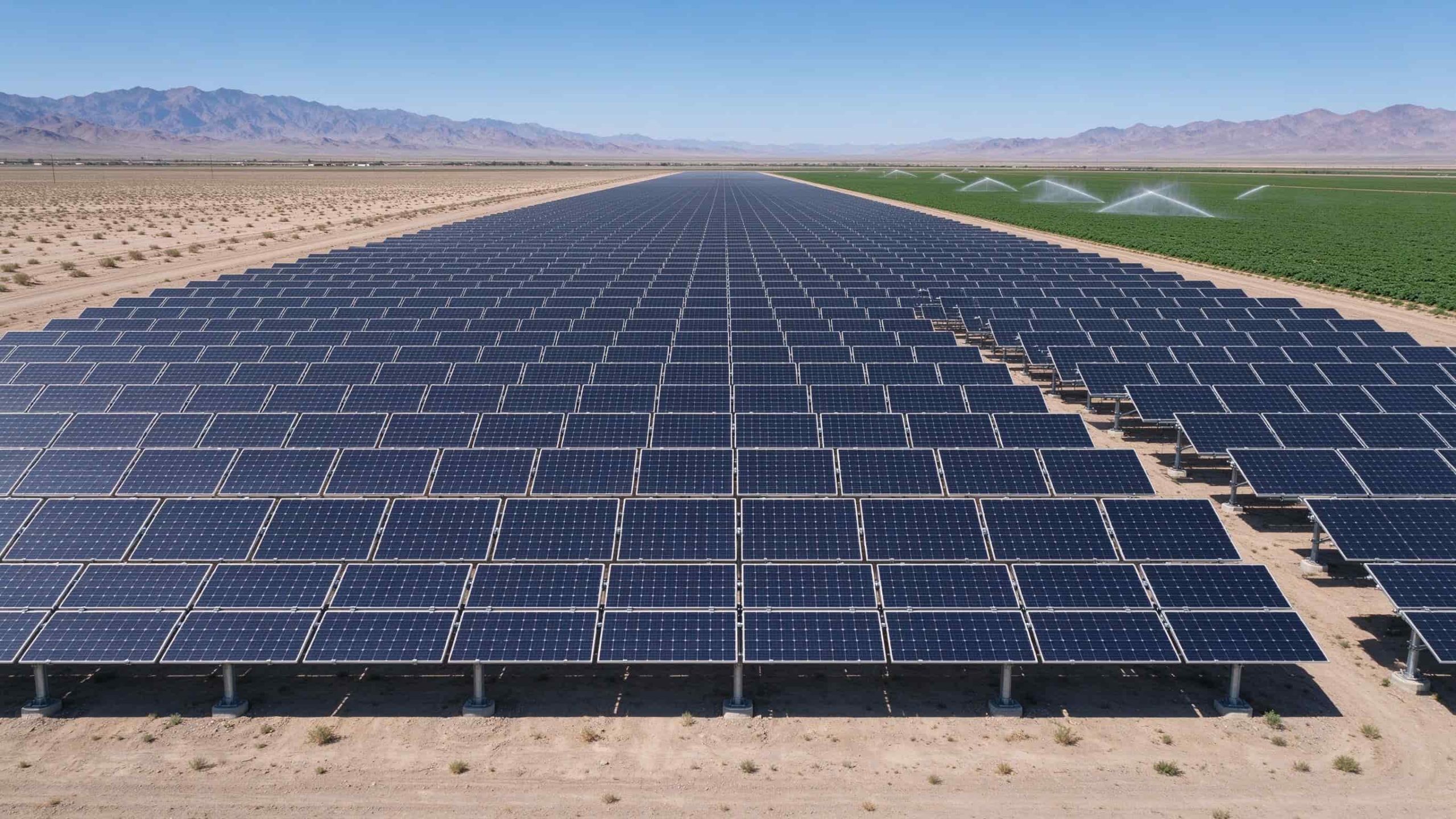
This Farm Solar Case follows Railroad Valley Farms, an alfalfa operation in Nye County, Nevada, documented by the U.S. Department of Agriculture Rural Development. The farm grows alfalfa on roughly 500 acres with no grid connection on site. Before 2017, every irrigation pump ran on diesel. Fuel had to be trucked in, and pump hours tracked directly against the farm’s operating budget. A 2017–2018 solar build added two arrays totaling about 611 kW, paired with single-axis trackers and a variable-frequency pump drive. In the first full operating year (2019), the system produced about 223,400 kWh and cut diesel use by roughly 16,385 gallons. The before-and-after is direct: the same pumps now draw on sun during daylight instead of running entirely on trucked-in diesel; fuel spend dropped with pump hours, and the farm still keeps a diesel set for cloudy stretches.
Why Did Railroad Valley Farms Need a Solar Power System?
Every off-grid farm faces the same gap between what irrigation requires and what the grid can deliver. Railroad Valley is a clear example of that gap and the choices it forces.
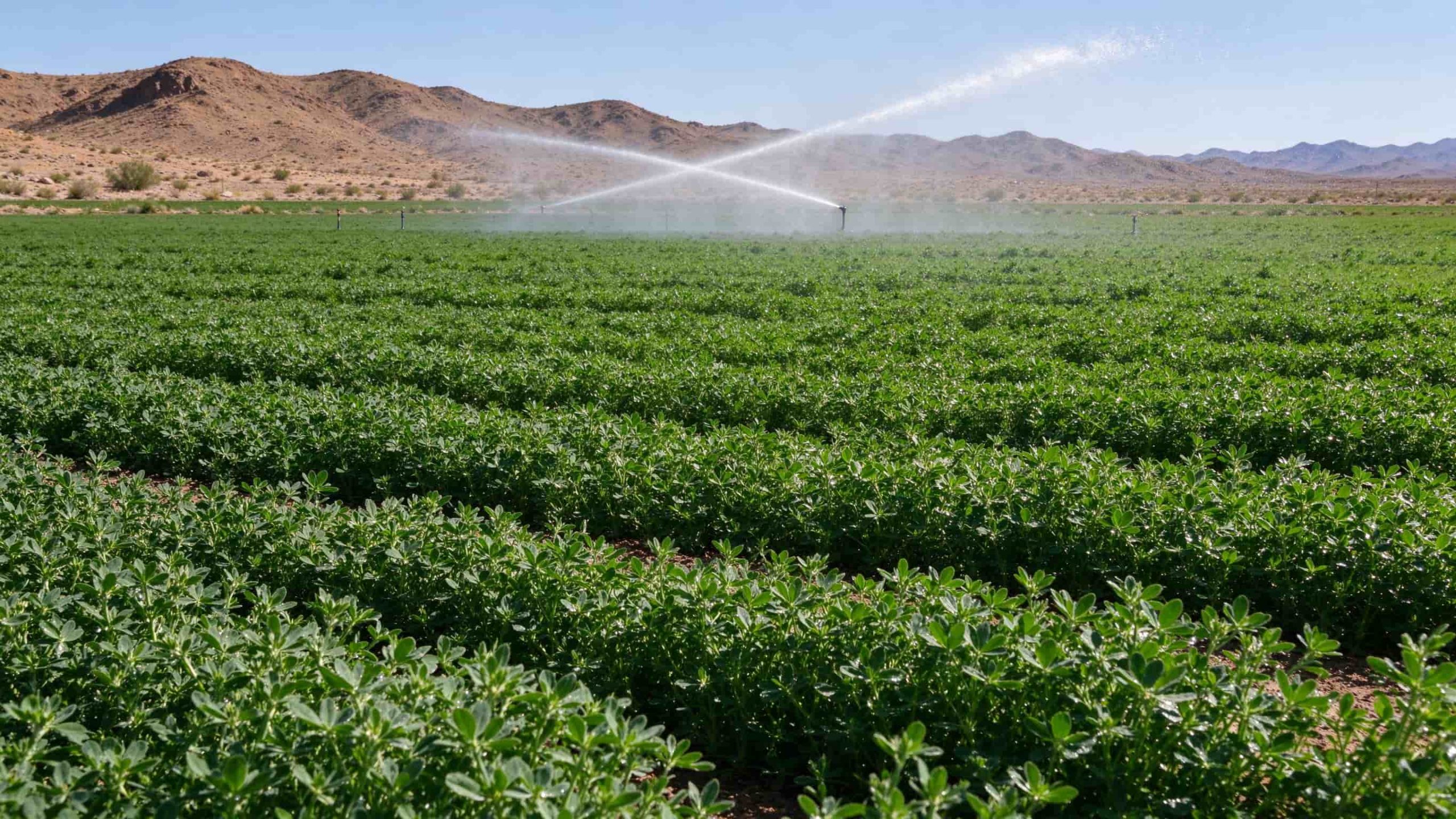
Railroad Valley Farms sits in Nye County, Nevada, in a high desert valley ringed by mountains. The operation grows alfalfa, a water-intensive crop that needs regular irrigation across roughly 500 acres. The nearest three-phase grid connection is not available on site, so all pumping energy has to be generated or stored on the farm. USDA project records identify this off-grid condition as the starting point for the solar investment. The published case does not detail headcount or daily schedule, and those figures are not guessed here.
Why Diesel-Powered Irrigation Became a Challenge
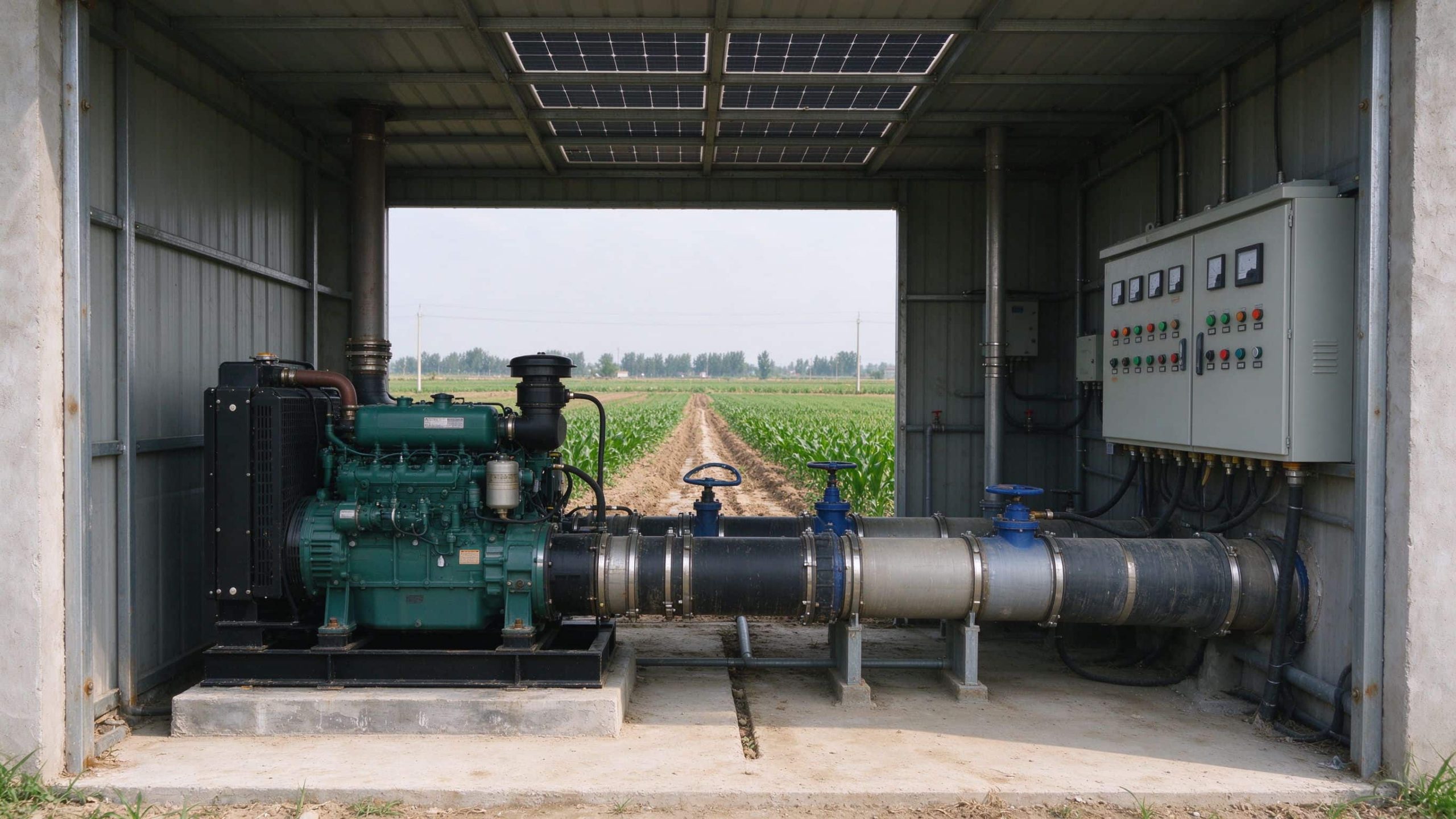
Diesel pumps solved the immediate power problem but created a running cost the farm could not control. Fuel has to be trucked in. Pump engines burn thousands of gallons over a growing season. Diesel prices swing with crude markets, so a farm that plans its water budget in the spring can lose margin by harvest time. Routine maintenance on a remote generator is also a cost, especially when breakdowns interrupt irrigation. Solar does not replace the engine, but it can cut the number of hours the engine has to run.
What Did the Farm Need from a Solar Solution?
The farm’s goals were narrow and practical.
- First, deliver a share of the pumping energy during daylight irrigation hours.
- Second, reduce diesel burn without shortening the irrigation window.
- Third, operate in a way that the existing crew could manage.
A system sized to save pennies on farmhouse lighting would not have addressed the real cost driver, which is the pump. The design had to match a daytime, weather-dependent load to a daytime, weather-dependent energy source.
How Was the Farm Solar System Designed and Implemented?
The system was not a single panel array bolted to a barn. It was a purpose-built generation and pump-control package sized around the irrigation load.
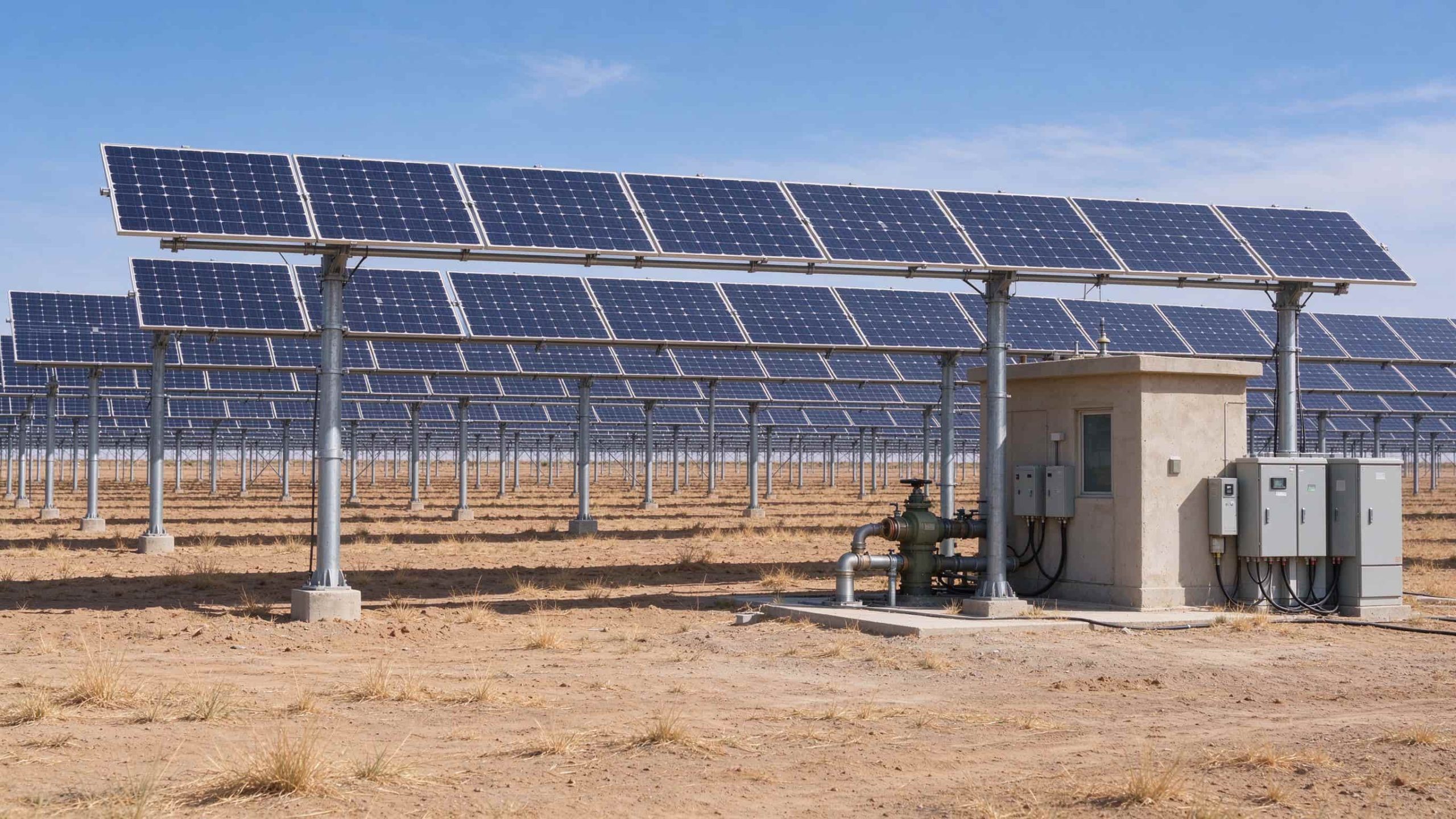
According to the Department of Energy project summary, the installation includes two solar arrays totaling about 611 kW, each near 305.5 kW. The panels mount on single-axis trackers that follow the sun through the day, which raises daily energy yield compared with fixed tilts in this high-irradiance valley. Power optimizers on the modules reduce mismatch losses, and a variable-frequency drive (VFD) matches the pump speed to the available solar output. The VFD matters because pumps do not need to run at full speed when solar is at partial output. Soft starting also cuts inrush current that a fixed-speed motor would otherwise draw from the diesel set.
How Solar Power Works with Diesel Backup
The farm did not go fully off-grid in the sense of dropping diesel. Instead, solar and diesel run as a hybrid. On sunny days, the VFD shifts pump load onto the array. When cloud cover cuts output or the sun is low, the diesel generator picks up the difference. The Department of Energy describes the installation as a solar-plus-diesel configuration rather than a standalone PV plant. That hybrid approach is what makes the project practical. Irrigation cannot wait for sunshine, and a battery large enough to pump 500 acres around the clock would have been uneconomic.
Project Timeline and Financial Support
The arrays were installed and commissioned between 2017 and 2018. USDA records show a Rural Energy for America Program (REAP) grant of $253,405 toward the project. REAP grants cover a portion of renewable energy and energy-efficiency upgrades for farms and rural small businesses, not the full installed cost. The grant lowered the capital the farm had to carry on its own. For larger agricultural solar projects, grants like REAP often decide whether the pencil works at all, because the upfront hardware cost is the hardest part of the business case.
What Were the Results and Lessons from This Farm Solar Case?
A completed installation is not a result. The numbers from the first full operating year show what the system actually did, and they also show where the numbers need context. USDA reports that in 2019, the system generated about 223,400 kWh in solar mode. Over the same year, the farm cut diesel use by roughly 16,385 gallons. The kWh figure is the direct contribution of the array. The gallon figure is the fuel the diesel generator did not have to burn once solar was carrying the pump load. The report also notes that spring 2019 was wetter than forecast, which pushed some irrigation later and changed the annual operating profile. That detail matters. A wet spring means the measured savings are not a pure extrapolation for an average weather year. Other farms should treat the numbers as documented results under those conditions, not as a guaranteed annual yield.
Economic Value and Project Payback
Lower diesel purchases directly reduce the highest variable cost on this farm. The REAP grant reduced the capital outlay. The farm owner’s published estimate projects roughly $1 million in lifecycle savings over the system’s operating life. That figure is an owner projection, not an audited number, and it depends on diesel prices holding, on the arrays performing, and on maintenance coming in as planned. Real payback will shift with fuel markets, panel degradation, and repair costs. The honest reading is that the project is on track to save money, not that the savings are already banked.
What Can Other Farms Learn from This Farm Solar Case?
-
Size to the big load first. This system targets irrigation pumping, not the farmhouse. Most farm energy costs live in pumps and refrigeration, not lights.
-
Hybrid is often more practical than off-grid. Keeping diesel as backup lets the farm skip the battery bank that would otherwise be required for 24/7 irrigation.
-
Trackers and VFDs pay off on large arrays. Fixed panels and direct-on-line motors would have left energy on the table.
-
Seasonal weather changes the result. A wet spring cuts both irrigation demand and measured fuel savings.
-
Grants change the math. REAP-style funding can move a marginal project into the affordable range.
Farms with a similar load profile should start from their own irrigation schedule, pump horsepower, and diesel spend rather than from the 611 kW number. A smaller alfalfa operation, a dairy barn, or a cold-storage shed will need a different mix. If you’d like to learn more about meeting agricultural energy needs, check out this guide on farm solar solutions.
What This Farm Solar Case Means for Other Farms
The Railroad Valley project answers a specific question: how a remote, grid-locked farm can cut diesel by pairing solar with its existing irrigation load. The reported 223,400 kWh per year and 16,385 gallons of diesel saved show that the approach works at scale. They also show that results depend on weather, crop schedule, and the hybrid design itself. Other farms should start from their own biggest load, their own access to the grid, and their own fuel bills, then size solar to that load rather than copying a 611 kW array. The USDA Rural Development REAP program publishes additional farm case studies for different scales and crops. If your operation has a similar irrigation or off-grid problem, share the pump size and your diesel bill in the comments, and the right starting point becomes much clearer.