
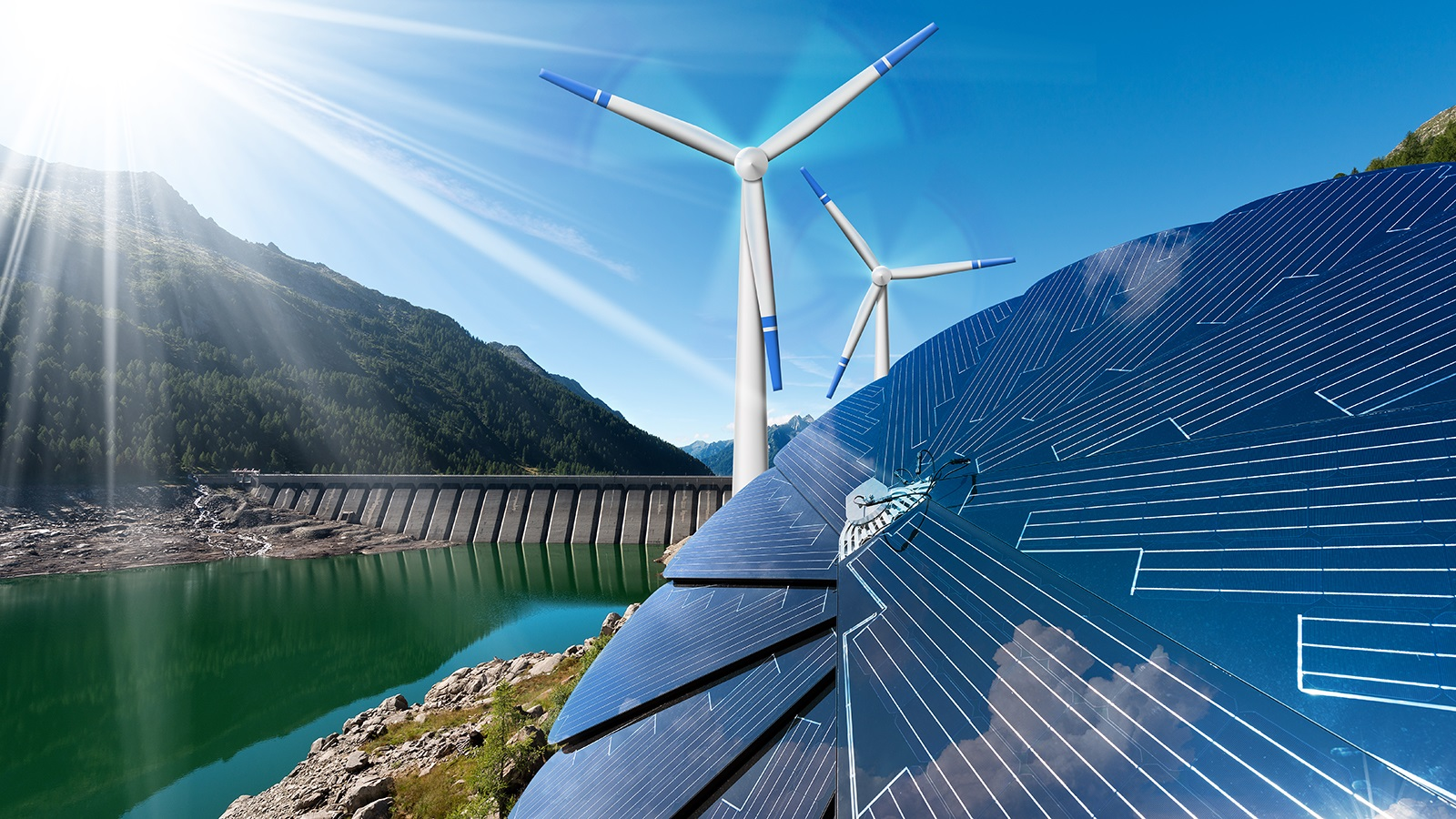
A grid-tied solar system is one of the most practical options for homeowners looking to adopt clean energy without unnecessary complexity. Instead of operating independently, it connects directly to the local power grid, helping maintain a stable and reliable electricity supply. During the day, solar energy can power household needs, while the grid provides support when production drops. As many industry professionals point out, efficient energy use is not only about generation but also about smart distribution. This approach helps homeowners reduce energy costs while maintaining long-term reliability. In addition, the system allows users to benefit from policies such as net metering in some regions, which credits excess electricity to the grid. With its simple design and lower installation requirements, it offers a cost-effective, reliable way to transition to solar energy.
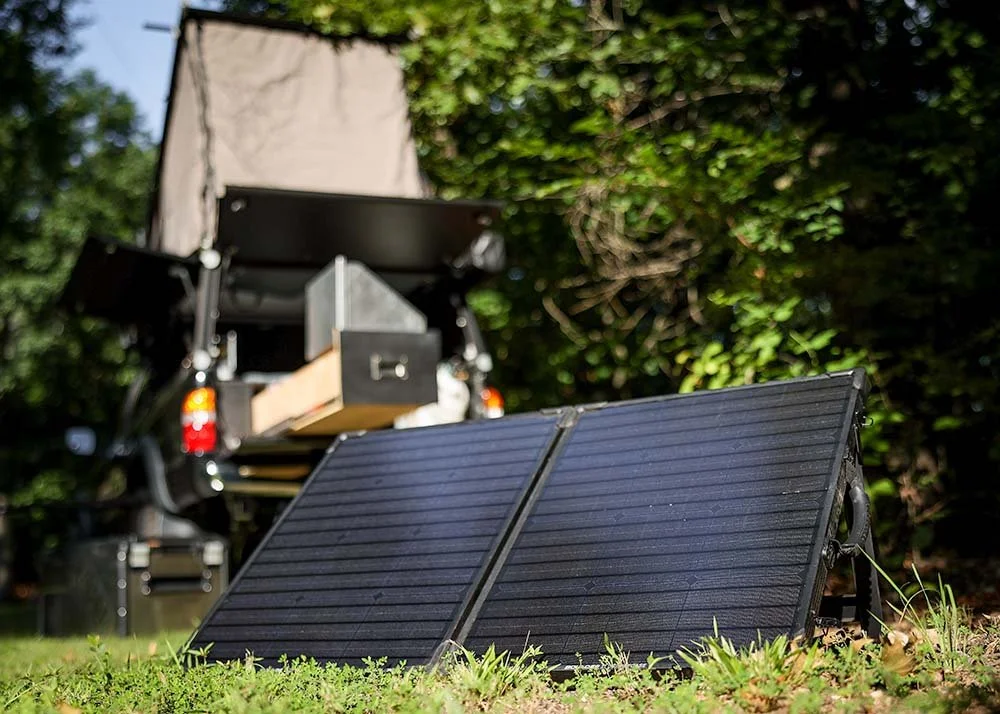
How a grid-tied solar system works
Key Components of a Solar Power Setup
A grid-tied solar system typically includes solar panels, an inverter, and a grid connection, with each component playing a clear and essential role. The panels capture sunlight and generate electricity, while the inverter converts it into usable household power. Meanwhile, the grid connection ensures that additional electricity is available whenever solar production is insufficient. In many modern setups, monitoring systems are also included, allowing homeowners to track energy generation and usage in real time. Compared to systems that rely on battery storage, this design remains simple, cost-effective, and easier to maintain. As a result, it provides stable performance and reliable energy output over the long term.
Energy Flow and Grid Interaction
Energy management in a grid-tied solar system follows a simple yet effective pattern. When solar production exceeds household demand, excess electricity is sent back to the grid. Conversely, when solar output decreases, the system automatically draws power from the grid. This continuous exchange ensures that electricity is always available. Such flexibility allows users to maximize energy usage while maintaining consistent performance under different conditions.
In addition, this type of system improves overall energy efficiency by reducing reliance on traditional power sources during peak hours. Many homeowners benefit from lower electricity bills because the system prioritizes solar usage before drawing from the grid. Compared to other solutions, a grid-connected or on-grid solar system offers a balanced approach between performance and simplicity, making it easier to manage daily energy needs without complex storage systems.
Benefits of Utility-Connected Solar Systems and Selection
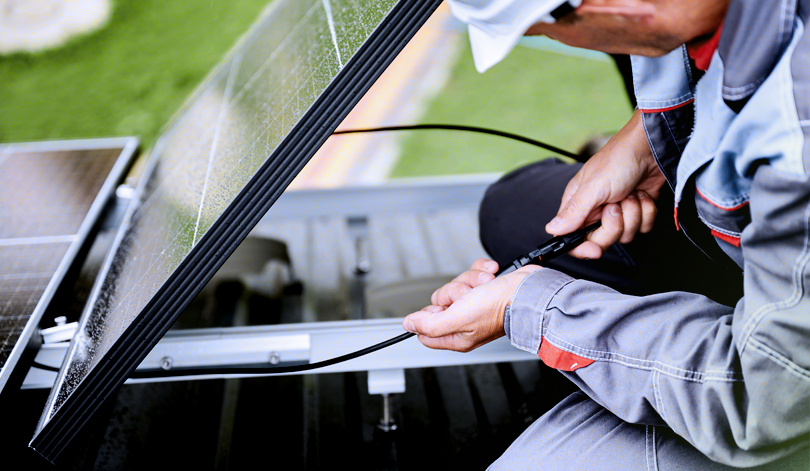
Grid-tied solar system technology stands out for its strong balance between cost and performance. Since battery storage is not required, installation is simpler and more affordable, reducing the initial investment for homeowners. This makes it especially appealing to those who prefer a straightforward, efficient energy solution. At the same time, the system delivers reliable power while helping reduce electricity expenses over time, especially in regions with supportive energy policies.
In addition, long-term benefits go beyond immediate savings. A grid-connected solar system can enhance property value while supporting a more sustainable lifestyle by reducing dependence on traditional energy sources. When choosing a grid-tied solar system, you should carefully evaluate factors such as system size, inverter quality, and local electricity regulations. A well-planned system improves efficiency, reduces long-term costs, and ensures stable performance for years to come.
Grid-Tied Solar System Summary for Beginners
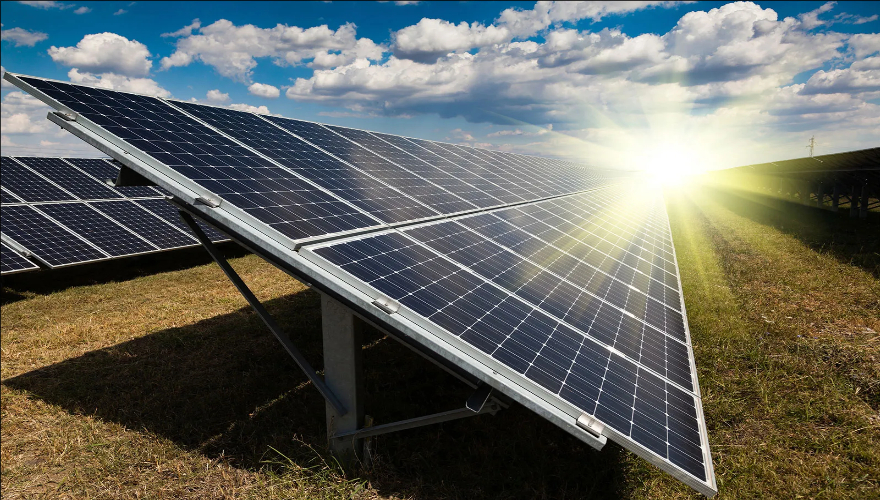
Grid-tied solar systems remain a strong choice for first-time users due to their simplicity and efficiency. Compared with hybrid or off-grid options, this approach focuses on direct grid integration, reducing complexity while maintaining reliability. For beginners, it offers an easier way to adopt renewable energy without managing batteries or storage systems. Installation is usually faster and more affordable, making it easier to get started. Over time, users can enjoy lower electricity bills and more predictable energy use, while also supporting a cleaner environment. This balance of convenience, cost, and performance makes it a reliable long-term solution.