
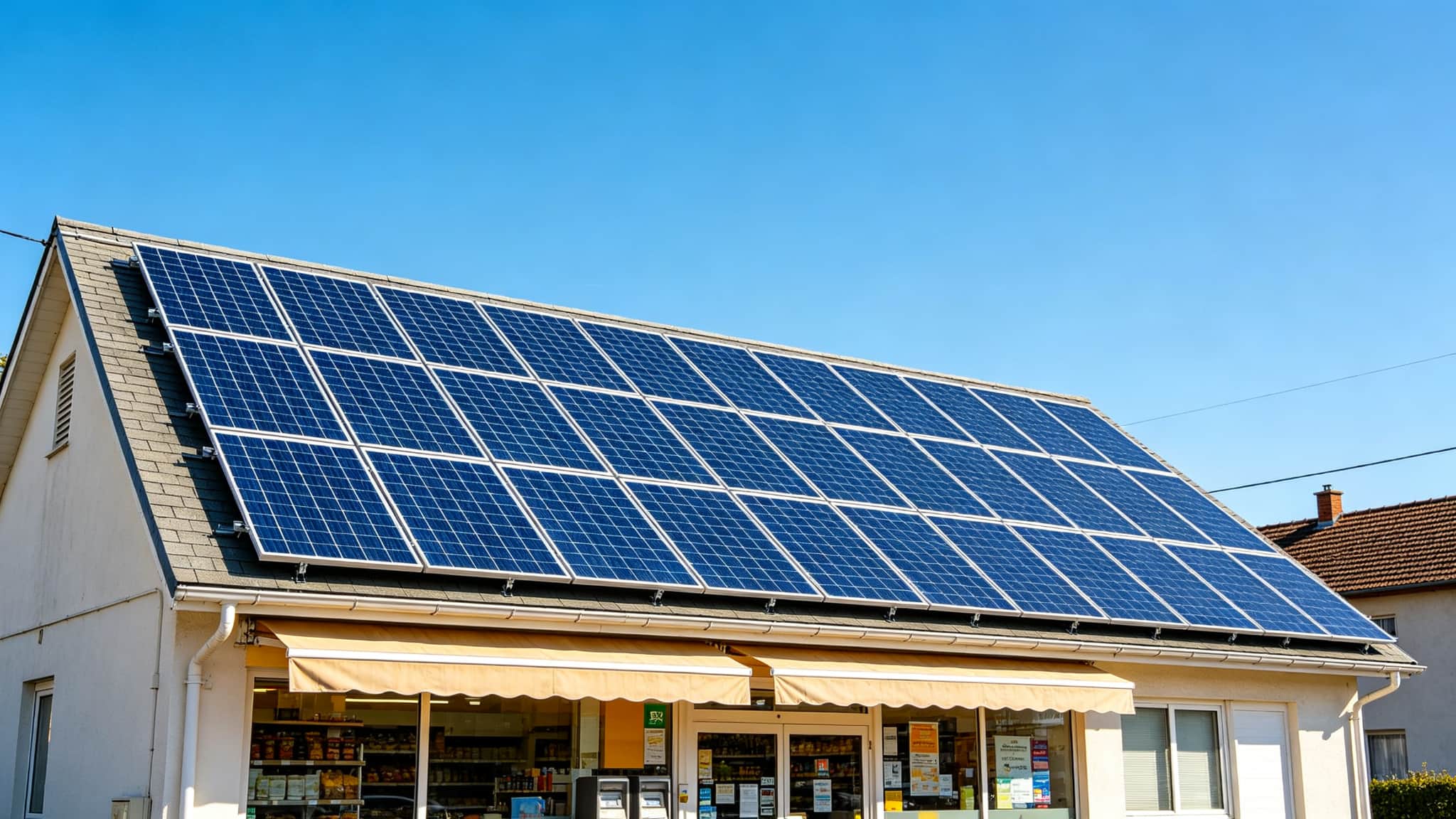
If you run a small business, you already know the electric bill is an expense you can’t negotiate. We felt the same way until we installed solar panels on our shop roof. Twelve months later, the panels have cut our bill by more than half. They also kept the lights on during two storm outages. These are the real costs, the real savings, and the honest lessons from our first year.
Why Our Small Business Switched to Solar Panels
Our shop occupies a 2,400-square-foot building with a flat roof and a large display window. We run lighting, a point-of-sale system, a small refrigerator, and air conditioning six days a week. By the summer of last year, our average monthly electric bill had climbed to over 400 dollars. We started looking at solar panels for small business properties after a neighboring warehouse installed a rooftop array. The owner showed us his bills, and the savings were impossible to ignore.
The Rising Energy Bills That Pushed Us to Solar
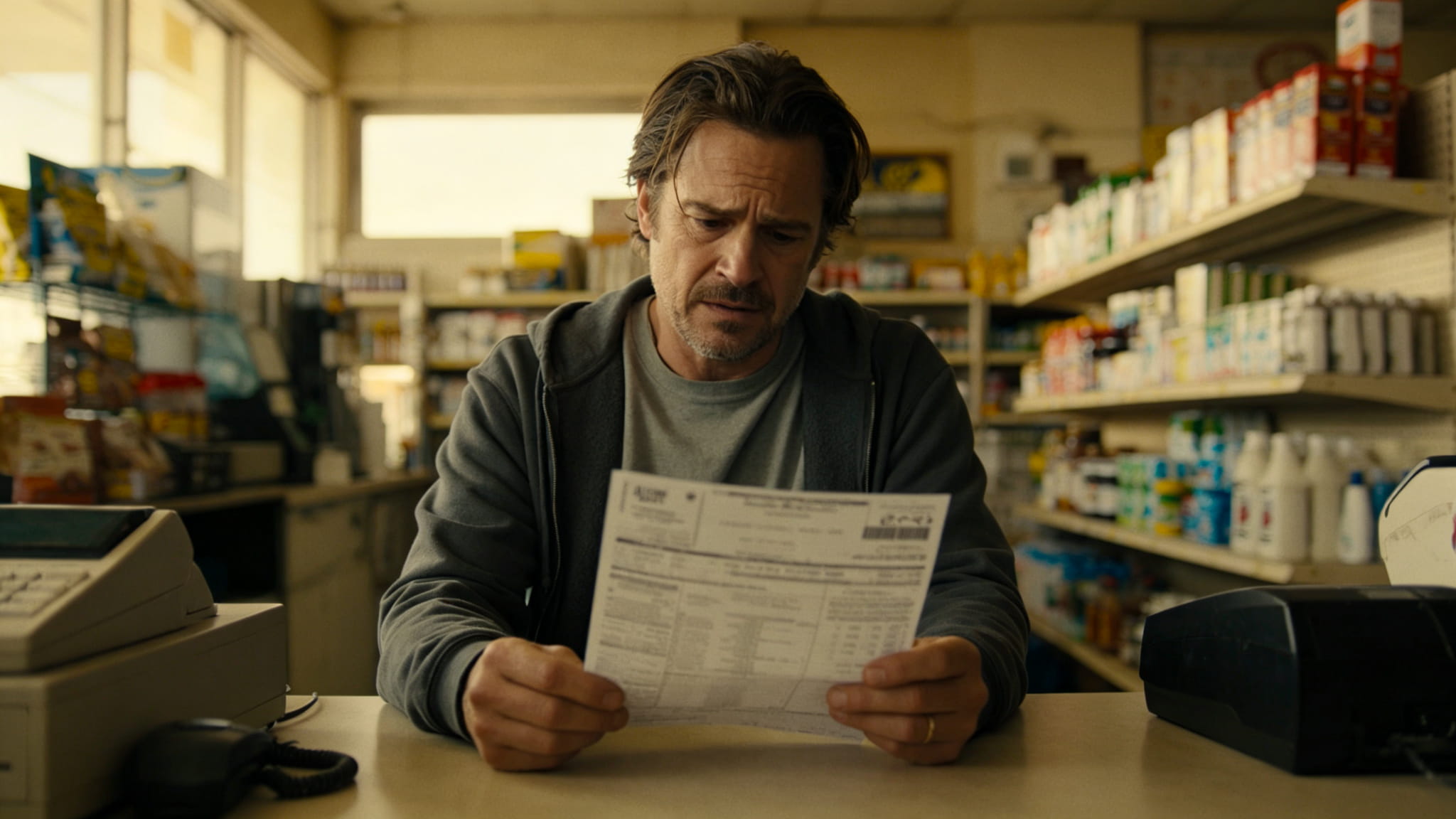
We kept every electric statement for the three years before going solar. Rates had risen roughly 8 percent per year, and our summer air conditioning bills regularly hit 600 dollars. The grid in our area also suffers occasional outages during storms, which cost us spoiled inventory and lost sales. We calculated that we would spend over 25,000 dollars on electricity in five years if we did nothing. That number made the decision much easier. Solar was no longer an environmental luxury for us. It became a straightforward way to control a cost we could not otherwise negotiate.
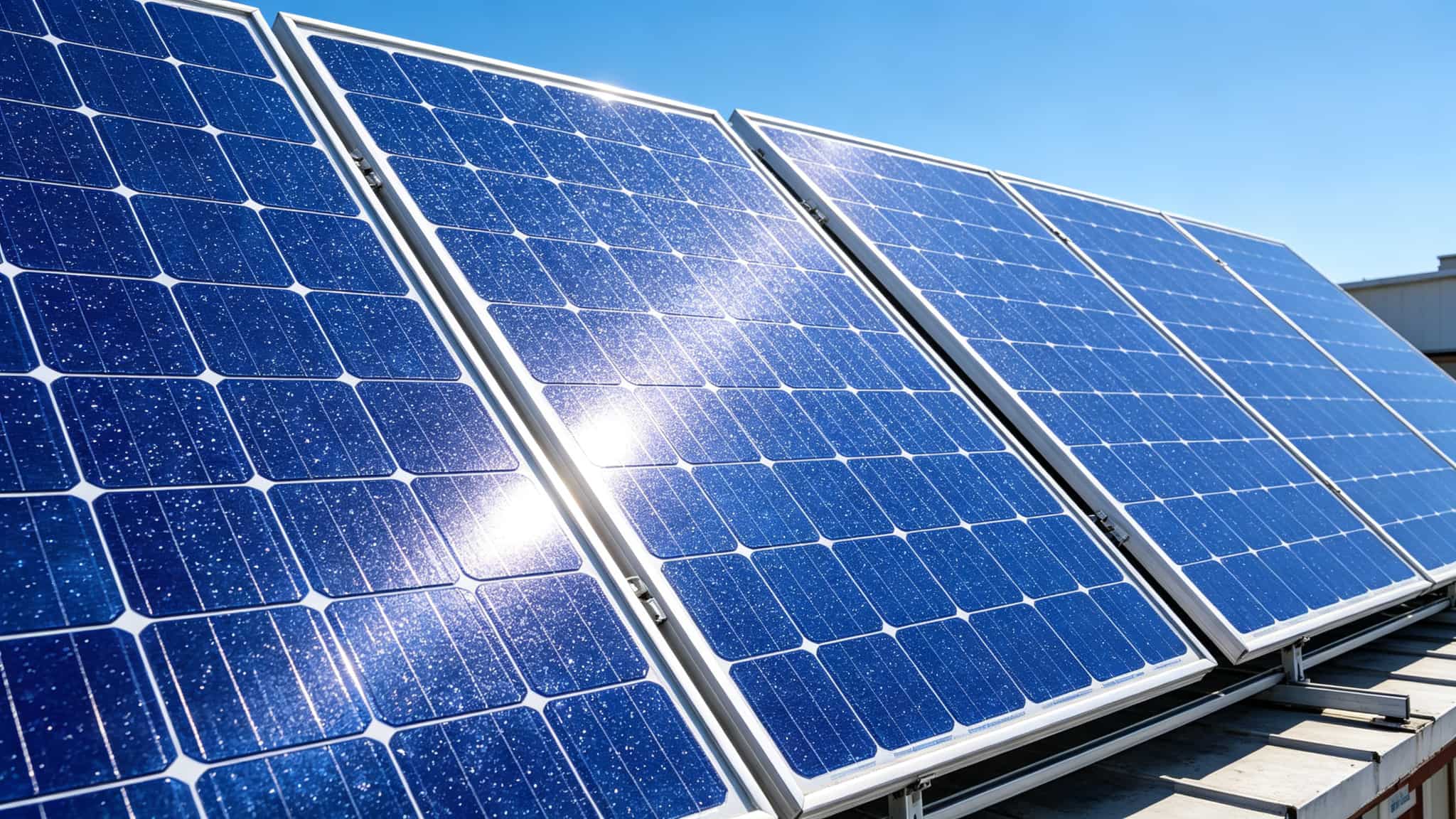
We compared monocrystalline and polycrystalline modules before choosing the panels that fit our budget. The polycrystalline panels cost less per watt and still delivered solid efficiency for our wide, flat roof. A local installer designed a 6-kilowatt array using 16 panels, which covered most of our south-facing roof space. We also added a microinverter behind each panel. This prevented partial shade from our rooftop sign from dragging down the whole array.
Commercial Solar Installation Costs and One-Year Results
Once we chose the panels, everyone asked us two questions. How much did it cost, and did it actually save money? The numbers below cover both sides of that equation.
- We start with the full installation price before and after incentives, including the equipment and backup battery.
- Then we share the actual twelve-month production and savings figures from our own meter.
What Our Small Business Solar System Included and Cost
The full installation cost was around 18,000 dollars before incentives. Federal and local tax credits reduced that to roughly 13,000 dollars out of pocket. The system included the 16 rooftop panels, microinverters, mounting rails, wiring, and a monitoring app on our phone. We also added a HomePower 3600 Plus battery unit from the online shop as backup power. It keeps the refrigerator, register, and emergency lighting running during outages. Installation took two days, and the permit and grid connection process added about three weeks. The crew handled all the paperwork, which made the process far simpler than we expected.
How Much Our Rooftop Solar Panels Saved in Twelve Months
Over the first year, the array generated about 8,400 kilowatt-hours of electricity. Our shop uses roughly 14,000 kilowatt-hours annually, so the panels covered about 60 percent of our consumption. We also enrolled in a net metering program that credits us for excess power sent back to the grid on weekends. Our total electric bill for the twelve months dropped from about 4$ ,200 do roughly 1$ ,700 That is a savings of about 2,500 dollars in the first year alone. At that rate, the system pays for itself in about five years. The NREL PVWatts calculator helped us estimate production before we committed, and the real output matched its forecast closely.

What Other Small Business Owners Should Know
After a full year of ownership, the biggest lesson is simple. Solar panels for small business properties work best when you size the system to your real usage. Pull twelve months of bills before you sign anything, and use a production calculator to verify the installer’s estimates. A battery backup is worth the extra cost if outages regularly spoil inventory or force you to close. Polycrystalline panels kept our upfront cost down and have performed reliably through every season. Commercial solar is not a one-size-fits-all product. But for a shop with a usable roof and stable consumption, the savings are real and measurable. Before going live, we followed the standard commissioning and testing steps to confirm every connection was safe. Our only regret is waiting as long as we did.
Would We Install Solar Again Absolutely
Looking back, installing solar panels for small business use was one of the best financial decisions we have made. The system has paid us back every month through lower bills. The backup battery also kept our doors open during two outages this year. Maintenance has been minimal, just a quick visual check and occasional cleaning. If your business owns its roof and operates at least five days a week, the math works in your favor. Gather twelve months of bills, run the production estimate, and compare two or three installers. The sooner you start, the sooner every sunny day pays your business back. That money stays with you instead of going to the utility company.