
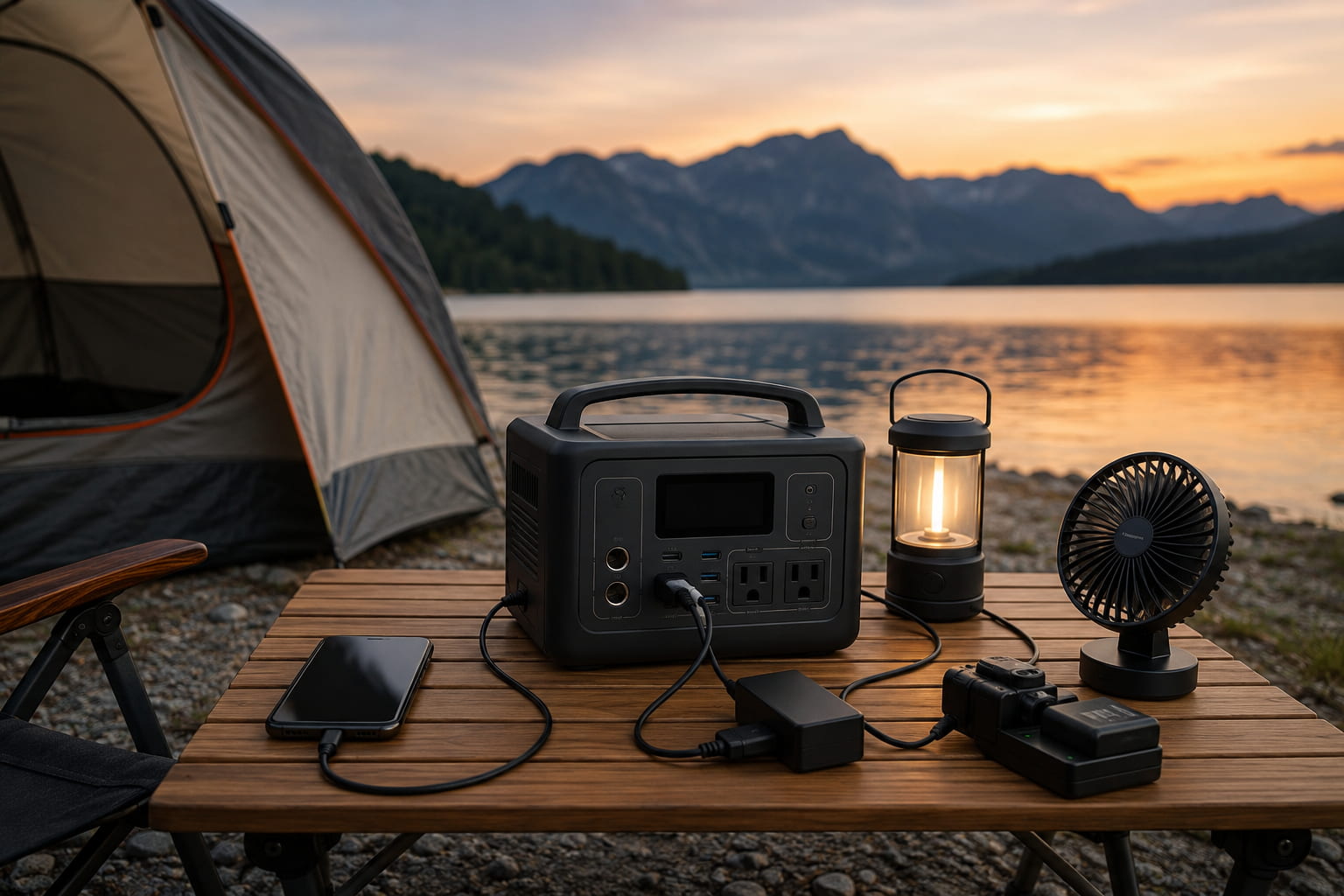
A camping solar power station should match how people use power outdoors. A short tent trip, family car camping, hot-weather camping with a portable fridge, and emergency backup all need different power support. The better way to choose is to start with the scene, then check devices, runtime, charging method, and safety needs.
Light Tent Camping: When a Camping Solar Power Station Should Stay Compact
Light tent camping usually means short trips, small devices, and limited storage space. Phones, camping lights, cameras, small fans, speakers, and tablets do not need heavy AC output, but they do need steady charging. In this scene, users should not chase the largest unit first. A compact, lightweight body matters more because the station may move among the tent, car, picnic area, and solar charging spot. USB output, simple operation, easy carrying, and quick setup matter more than oversized capacity.
Family Car Camping: When a Camping Solar Power Station Needs More Capacity
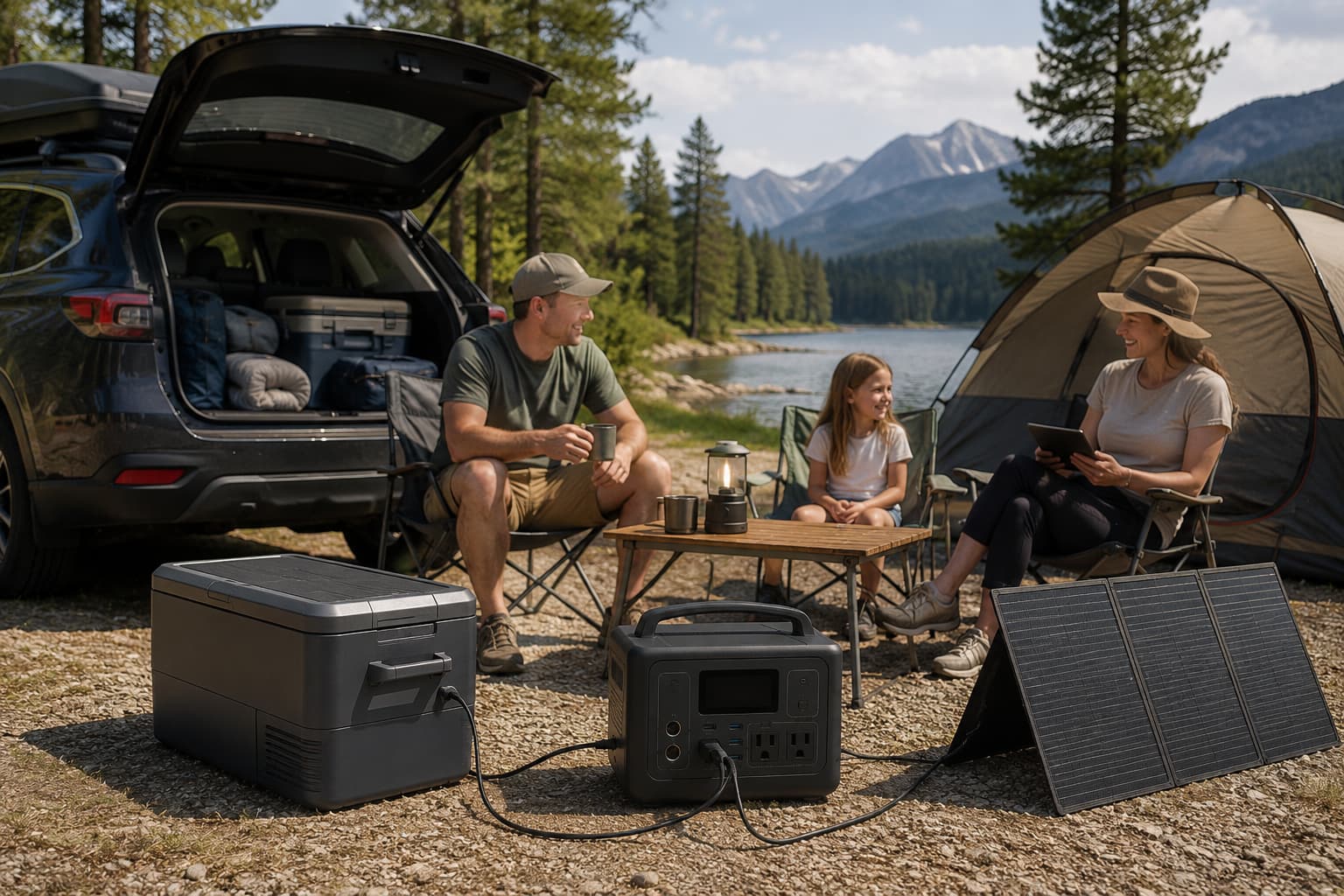
Family car camping creates more shared power demand. A group may bring phones, tablets, lanterns, cameras, speakers, a projector, and a portable fridge. The issue is not one large device. There are many small and medium loads running for hours. This scene needs more battery reserve, flexible outputs, and better charging recovery. Solar charging becomes more useful because family trips often last longer than one night. The Homesolars unit works as a portable solar power product near the vehicle, tent, or cooking area. Before buying, users should ask whether it can handle the full list of devices.
Portable Fridges and Cooling Gear: When Stable Output Matters More
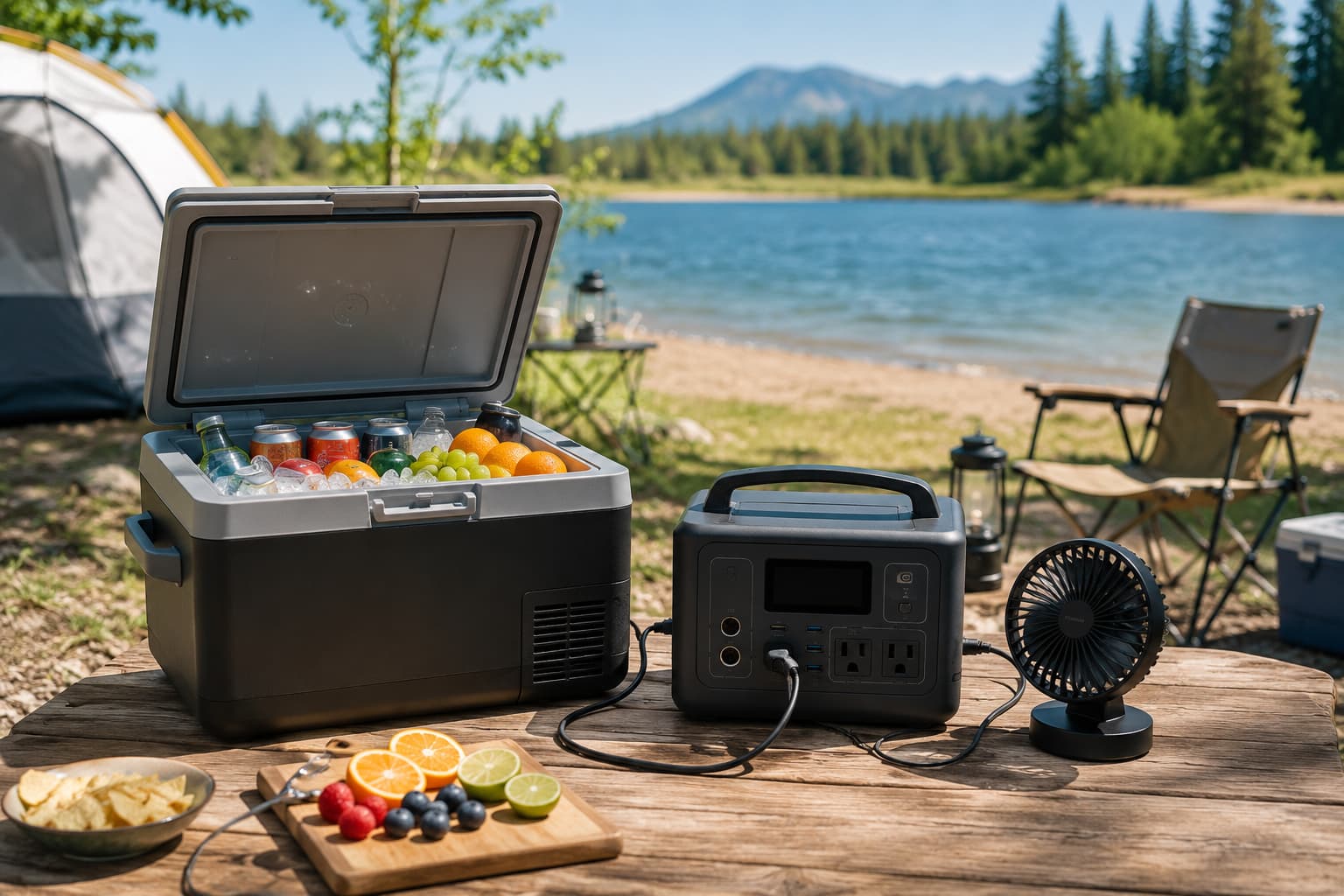
Hot-weather camping often includes portable fridges, coolers, small fans, and cooling devices. These may run longer than lights or phones. A fridge may also create startup demand when the compressor begins working. This scene needs a stable AC output, overload protection, and good thermal behavior. Users should compare the fridge’s rated power and startup demand with the station’s rated AC output and surge capacity. The Blue Planet inverter matters here because it supports efficient DC-to-AC conversion, stable power output, partial-load performance, and outdoor/off-grid operation.
Remote Outdoor Work: When a Camping Solar Power Station Supports Productivity
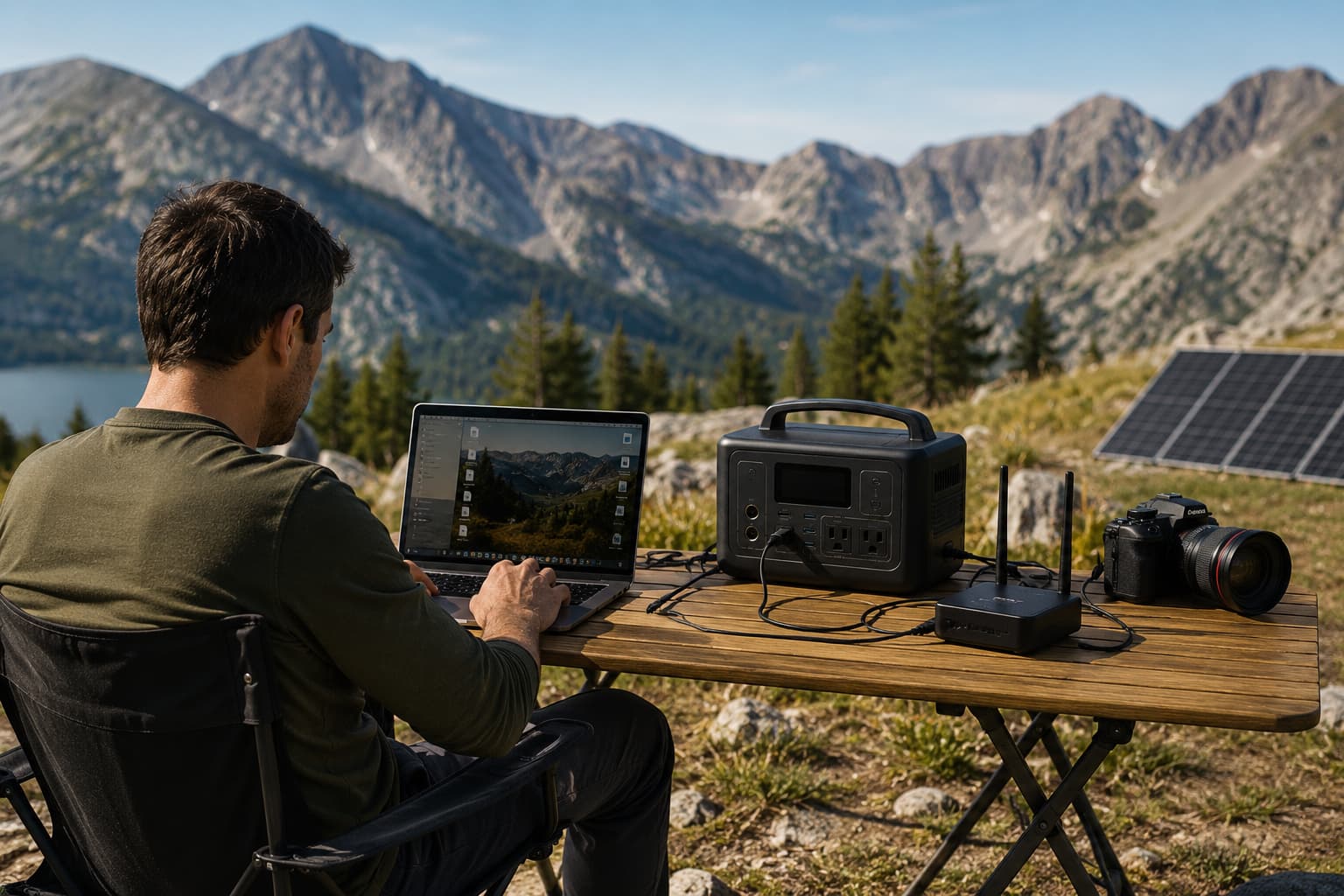
Some users bring laptops, cameras, routers, drones, communication gear, lights, or small work tools. These devices are more sensitive to unstable power. Outdoor work also means longer sessions and less room for failure. Remote work requires stable AC power, low standby power loss, real-time status checks, and simple monitoring. Users should know each device’s power demand and how long the work session will last. Homesolars mentions a standard communication interface, remote commissioning, real-time monitoring, and software upgrades, which help users manage power rather than guessing based on a blinking battery icon.
Emergency Backup: When Safety Features Come First
Emergency backup is less romantic than camping, which is exactly why it matters. During a power outage, users often need phones, lights, routers, radios, and small appliances. The power source must be safe, available, and easy to operate under pressure. This scene prioritizes protection over extra features. Users should look for overcharge, short-circuit, overheating, overload, and surge protection. Dust and water resistance also help when the unit moves between storage, garage, vehicle, or temporary outdoor use.
Multi-Day Off-Grid Use: When Solar Charging Becomes Part of the Plan
Multi-day off-grid use is where many buyers overestimate solar charging. A solar panel does not produce its rated output all day. Shade, clouds, heat, dust, panel angle, and cable loss all reduce real charging performance. This scene needs a clear energy rhythm. The station powers lights, phones, routers, cameras, and small AC devices at night, and solar charging restores some of that power during the day. Users should check solar input range, panel compatibility, connector type, charging speed, and whether the station can run loads while charging.
How to Match the Right Camping Solar Power Station to Your Use Case
| User Scenario | Main Devices | What to Prioritize | Buying Logic |
|---|---|---|---|
| Short tent camping | Phone, light, camera, small fan | Lightweight body, USB output, simple charging | Choose a compact unit for small daily loads |
| Family car camping | Phones, lights, tablet, speaker, fridge | Battery reserve, multiple outputs, solar charging | Choose a station for group use |
| Hot-weather camping | Fridge, fan, cooling gear | Stable AC output, surge support, overload protection | Choose a model with inverter stability |
| Outdoor work | Laptop, router, cameras, drone batteries | Stable AC power, monitoring, and low standby loss | Choose real-time status tracking |
| Emergency backup | Phones, lights, router, small appliance | Safety protection, standby reliability | Choose clear safeguards |
| Multi-day off-grid use | Mixed daily loads | Solar input, charging recovery | Choose solar charging support |
Choose by Camping Style, Then Confirm the Numbers
A camping solar power station should be chosen based on the use case first. Light tent campers should focus on portability and charging for small devices. Family car campers need more reserves and multiple outputs. Fridge users should check stable AC output, surge handling, and overload protection. Remote workers should look at monitoring, low standby loss, and dependable power. Before buying, users should confirm battery capacity, rated AC output, surge output, and solar input range. These numbers decide what the station can run, how long it lasts, and how fast it can recover power from solar panels.