
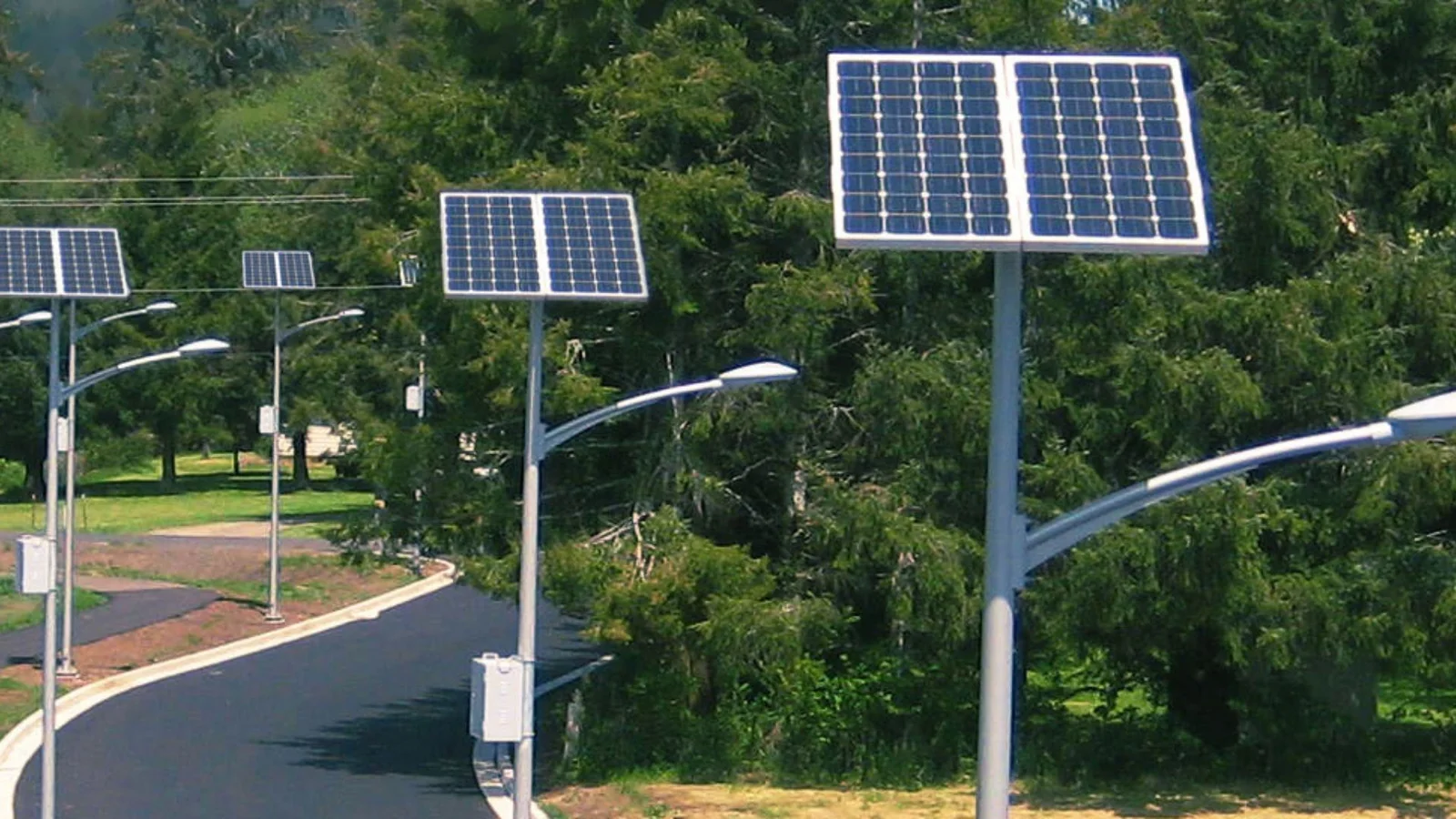
Whether you scour every major hardware store or shop online, you will find that the outdoor post solar lights currently on the market appear almost entirely indistinguishable: they feature the same lantern-style designs, identical technical specifications, and the same vague marketing claims of “staying lit all night long.” The problem, however, is that most buyers only discover the true differences after installation—for instance, when the light dims to a faint glow by 10:00 PM, or when the fixture snaps apart at the first sign of severe frost. After managing dozens of outdoor lighting projects, I have identified several distinct advantages shared by all high-quality. These advantages boil down to three key factors: battery capacity, IP protection rating, and solar panel orientation. As long as you get these three points right, everything else falls into place.
Why Homeowners Prefer Outdoor Post Solar Lights
The shift from wired to wireless outdoor lighting is driven by both sustainability and efficiency. Traditional post-mounted lighting systems involve trenching, laying conduits, hiring electricians, and ongoing electricity costs. Outdoor post solar lights, however, eliminate these hassles: no wiring, no construction permits, and no monthly electricity bills. High-performance outdoor post-solar lights can run for 8 to 12 hours on a full charge and withstand extreme temperatures from sub-zero to desert heat. Beyond convenience, they offer significant sustainability value, using renewable energy instead of fossil fuels.
Key Data You Must Know Before Buying Outdoor Post Solar Lights
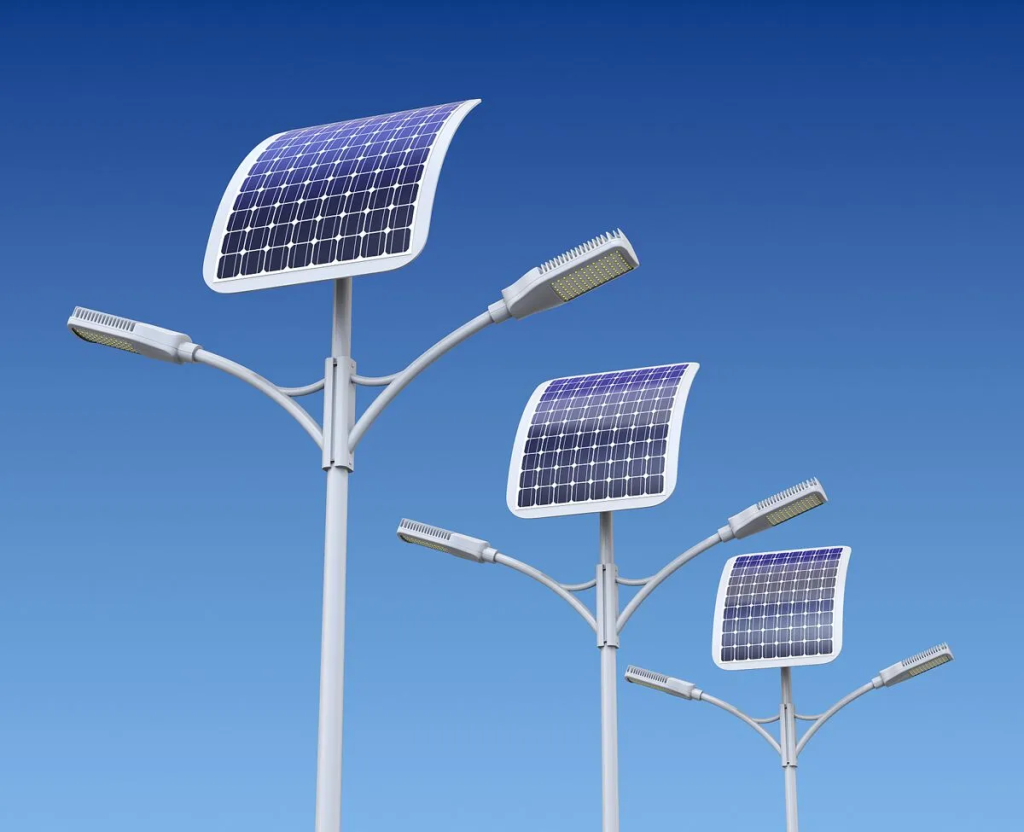
The lumen value determines the actual brightness perceived by the user—it’s more than just a number. For walkways and driveways, a minimum of 100 lumens ensures adequate visibility. For decorative lighting around patios or decks, a lower lumen output creates a soft, atmospheric glow. IP Ratings indicate how well a light fixture can withstand harsh environments. An IP65 rating means the fixture is dust-tight and can resist high-pressure water jets, ensuring durability in outdoor settings. Regarding battery capacity, the advertised “12-hour runtime” is based on low power consumption. In actual use, a standard 1000mAh NiMH battery typically provides only 6 to 8 hours. For longer winter nights, choose outdoor post solar lights with a 2000mAh battery or larger solar panels for quicker recharging during shorter days.
Mismatched post dimensions often lead to product returns. Most outdoor post-mounted solar lights, including solar fence post lights and solar powered outdoor post lighting, fit 4×4, 5×5, or 6×6 posts, but not all are compatible with every size. Some fixtures offer multiple base accessories, improving compatibility with different post materials and mounting surfaces.
Lighting Performance from Dusk to Dawn
The dusk-to-dawn sensing function is one of its key selling points, but it often disappoints buyers. The built-in sensors detect ambient light changes, turning the light on at night and off during the day. However, issues arise if the fixture is installed under a porch eave, near a streetlamp, or beneath dense trees, as it affects charging and sensor activation. For best results, install solar fence post lights or outdoor post solar lights in a spot with at least six hours of direct sunlight. Additionally, performance drops in winter due to shorter days and lower temperatures, leading to a shorter charging window. In contrast, summer provides longer daylight hours, improving lighting performance.
Where to Place Outdoor Post Solar Lights for Maximum Output
Outdoor post solar lights are ideally suited for installation along walkways, fences, and garden borders, or for placement directly atop existing posts surrounding a patio. When used along a fence line, it is recommended to install a light every 6 to 8 feet (approximately 1.8 to 2.4 meters) to ensure uniform light distribution and eliminate any dark spots. For driveways, post solar lights should be mounted on the posts at the entrance and at every turn. When defining the perimeter of a patio, installing post-cap lights at the corners of the railing and on gate posts clearly delineates the space without the need for additional wiring or power outlets. There is also a frequently overlooked factor to consider: reflective surfaces. Installing solar post lights near light-colored fences, stone walls, or pale concrete structures can significantly enhance the perceived brightness of the lighting.
Common Questions About Outdoor Post Solar Lights
How long do outdoor post solar lights last on a full charge?
They last 6 to 12 hours, depending on battery capacity, temperature, and brightness settings.
Can solar post lights handle snow and heavy rain?
Yes, with an IP65 rating or higher. Snow can block charging, so wipe the panel after snowfall.
Do I need direct sunlight for solar post cap lights to work?
Direct sunlight is ideal, but overcast conditions still allow charging at 40-60% efficiency. Place lights in sunny spots for best results.
The Right Light Makes Every Night Count
Outdoor solar pillar lights have long since moved past their initial phase as mere “novelty items,” with the technology having reached a state of considerable maturity. Today, the finest outdoor post solar lights not only boast exceptional reliability and weather resistance but also deliver ample brightness, effectively fulfilling the dual requirements of safety and aesthetic appeal—all without the need to lay a single inch of wiring or pay a single cent in monthly electricity bills. When making a purchase, the most critical factors to consider are neither brand reputation nor visual aesthetics.
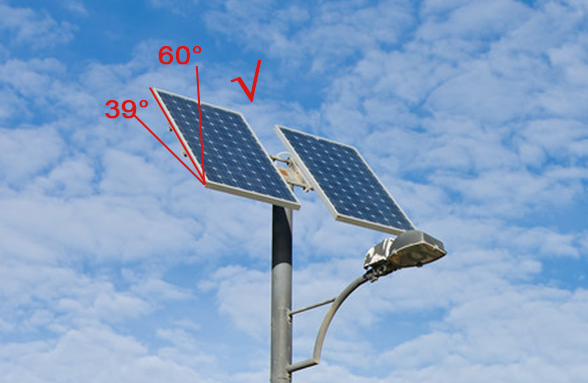
The truly essential elements are: matching the appropriate lumen output to the intended purpose; selecting an IP protection rating suited to local climatic conditions; and planning the placement of the solar panels based on the actual sunlight exposure of the yard. As for all other considerations, they simply boil down to selecting a fixture design that aligns with your personal preferences.