
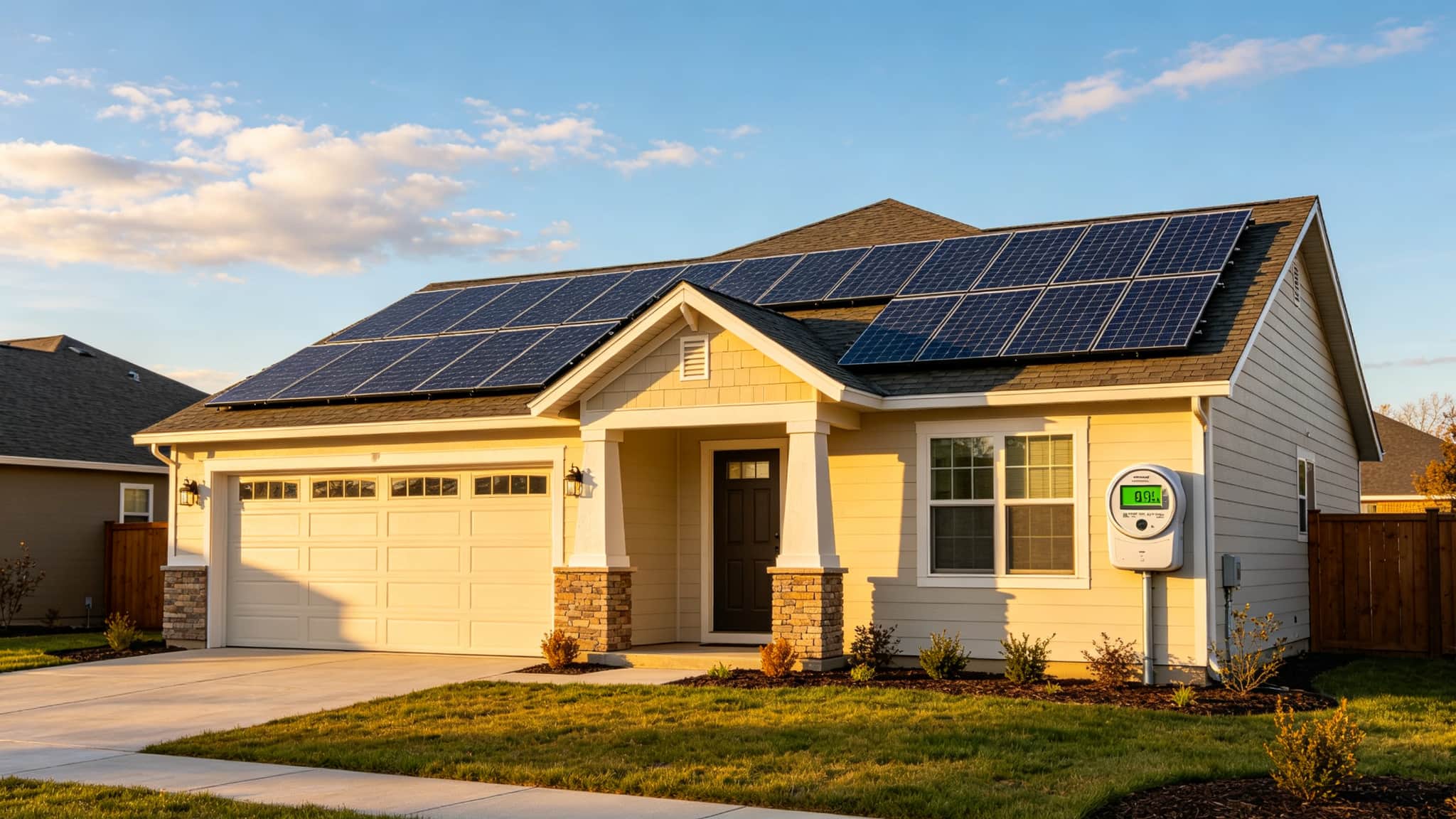
A 6 kW solar system on one home saves 300 dollars a month. The same 6 kW system on a different home saves almost nothing. The difference is not the panels. The difference is whether the system was sized correctly for that home. Sizing a solar system comes down to three concrete steps.
- Add up your actual daily kilowatt-hour consumption from utility bills.
- Divide by your local peak sun hours and apply a loss factor.
- Pick a panel count and inverter that match the resulting target. Miss any step, and you either overpay or underperform.
Why Sizing a Solar System Correctly Saves Money
Sizing a solar power system is not about buying the biggest setup on the market. It is about matching your production to your actual usage. A system that is too small forces you to keep buying grid power at peak rates. A system that is too large ties up capital in extra panels and inverters. Those extra components may take years to pay for themselves. The sweet spot sits somewhere in between, and finding it requires a little math rather than a sales pitch. Homeowners who size correctly typically see a 20 to 30 percent faster return on investment. That compares favorably to homeowners who simply guess their system size.
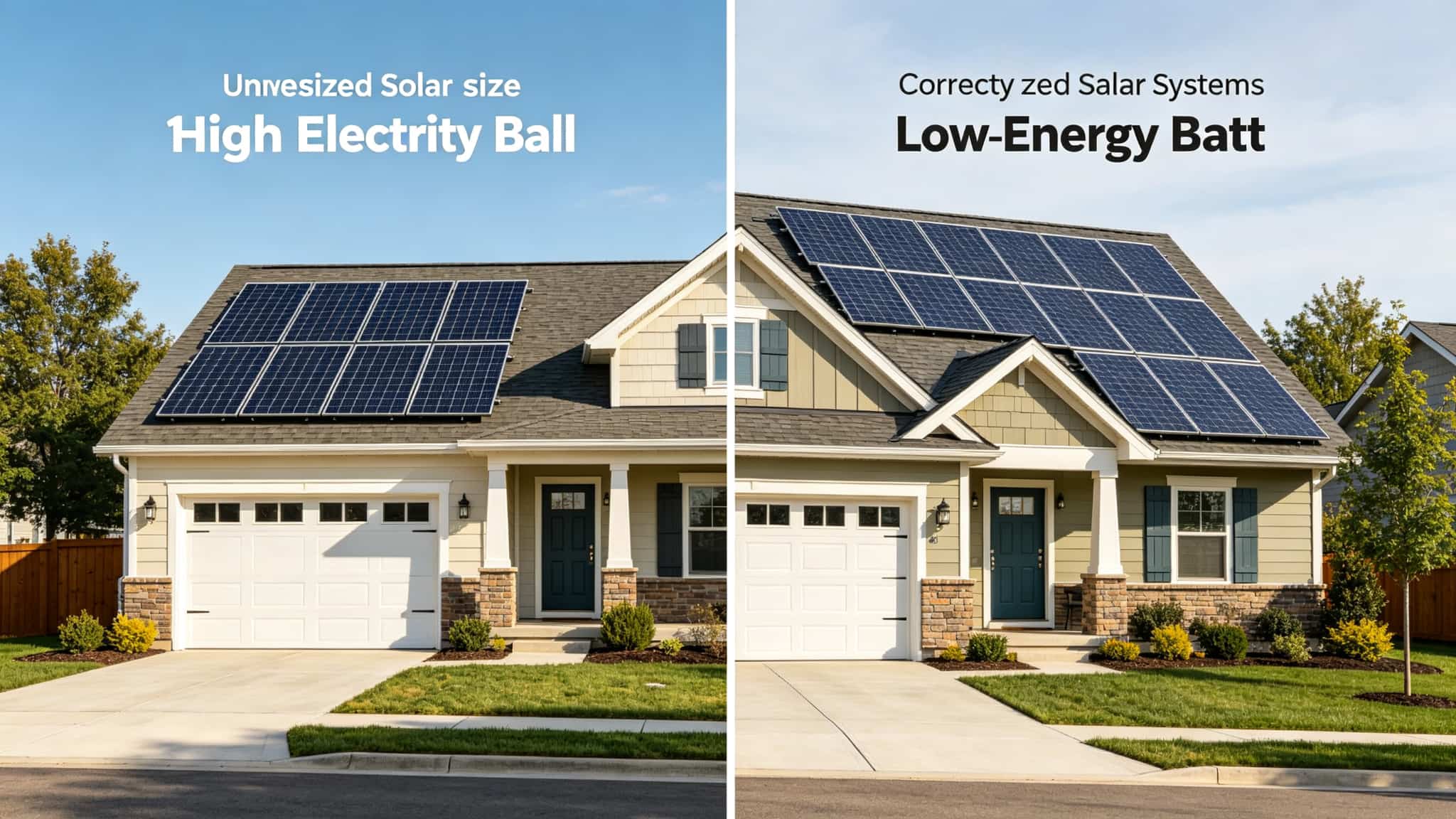
How to Size a Solar System in Three Steps
The sizing process breaks down into three straightforward steps.
- You start with your own energy consumption.
- Next, factor in the sunlight your roof actually receives.
- Finally, translate that into a specific panel count and a matching inverter. Skipping any step leads to an inaccurate estimate. We recommend gathering a full year of utility bills before you begin, because seasonal variation matters. A summer-only estimate will undersize your PV system for winter use.
Step 1: Calculate Your Daily Energy Consumption
Your daily consumption is the foundation of every solar system sizing decision. Pull your last 12 months of utility bills and add up the total kilowatt-hours used. Divide that number by 365 to get your average daily consumption. A typical American household uses between 25 and 30 kWh per day. Your number may be higher or lower depending on appliances, climate, and occupancy. Do not rely on national averages. Your actual usage is what your residential solar system must cover. If you plan to add an electric vehicle or heat pump in the next few years, factor that growth in now. The U.S. Energy Information Administration tracks residential electricity consumption trends. It confirms that household usage varies significantly by region and home size.

Step 2: Account for Sunlight Hours and System Losses
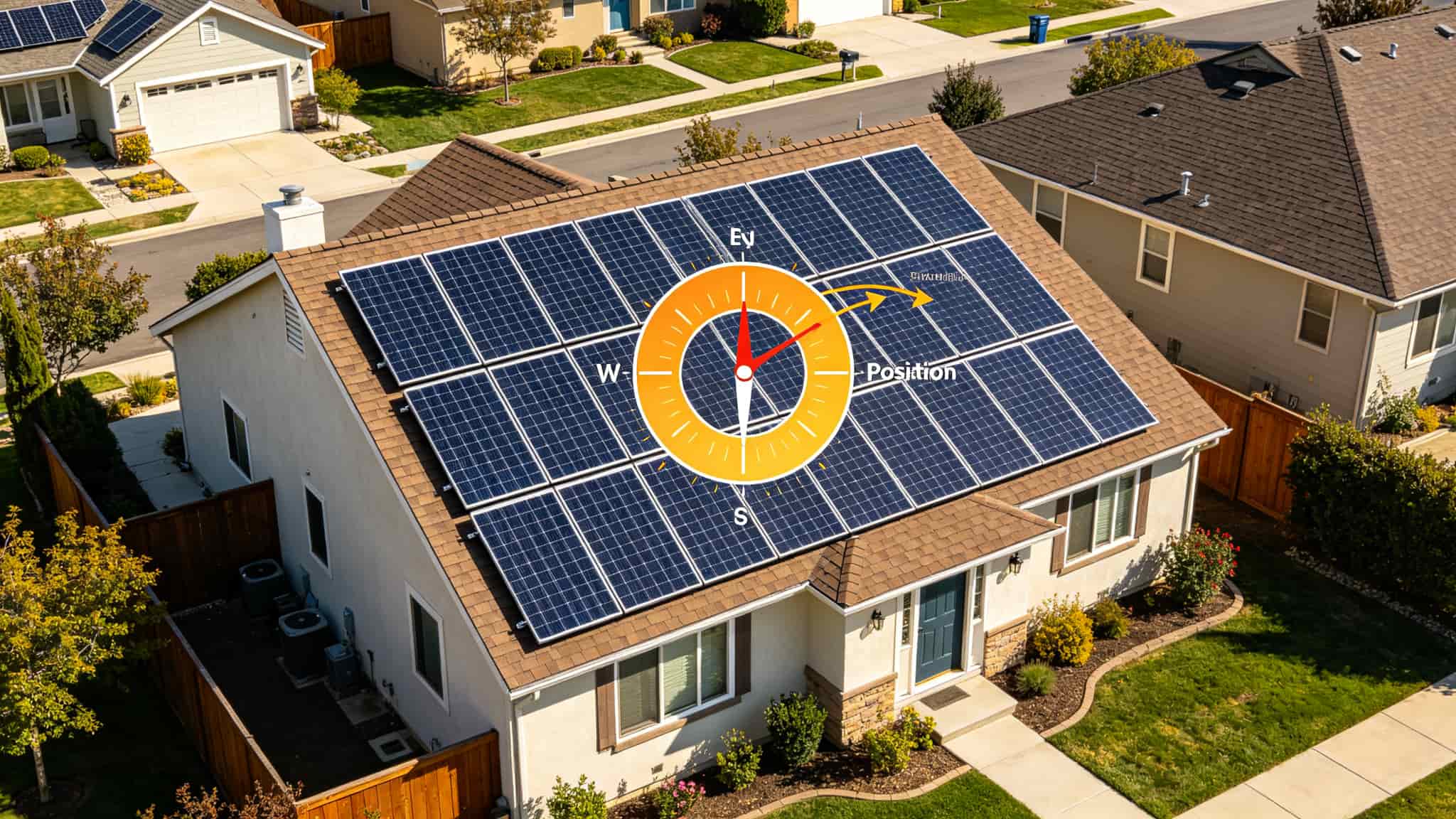
Once you know your daily usage, the next factor is how much sun your location actually receives. Different regions get very different amounts of peak sunlight hours per day. Arizona might average 6.5 peak hours, while Seattle averages closer to 3.5. You can look up your location’s average peak sun hours using the National Renewable Energy Laboratory’s PVWatts calculator. Divide your daily kWh by your peak sun hours to get the raw kilowatts your array needs to produce. Then apply a derate factor of 0.75 to 0.85. This accounts for panel degradation, wiring losses, inverter inefficiency, dust, and temperature. This derate step is where most DIY estimates go wrong. Ignoring losses can leave you 20 percent short of your target production.
Step 3: Choose Panel Count and Inverter Size
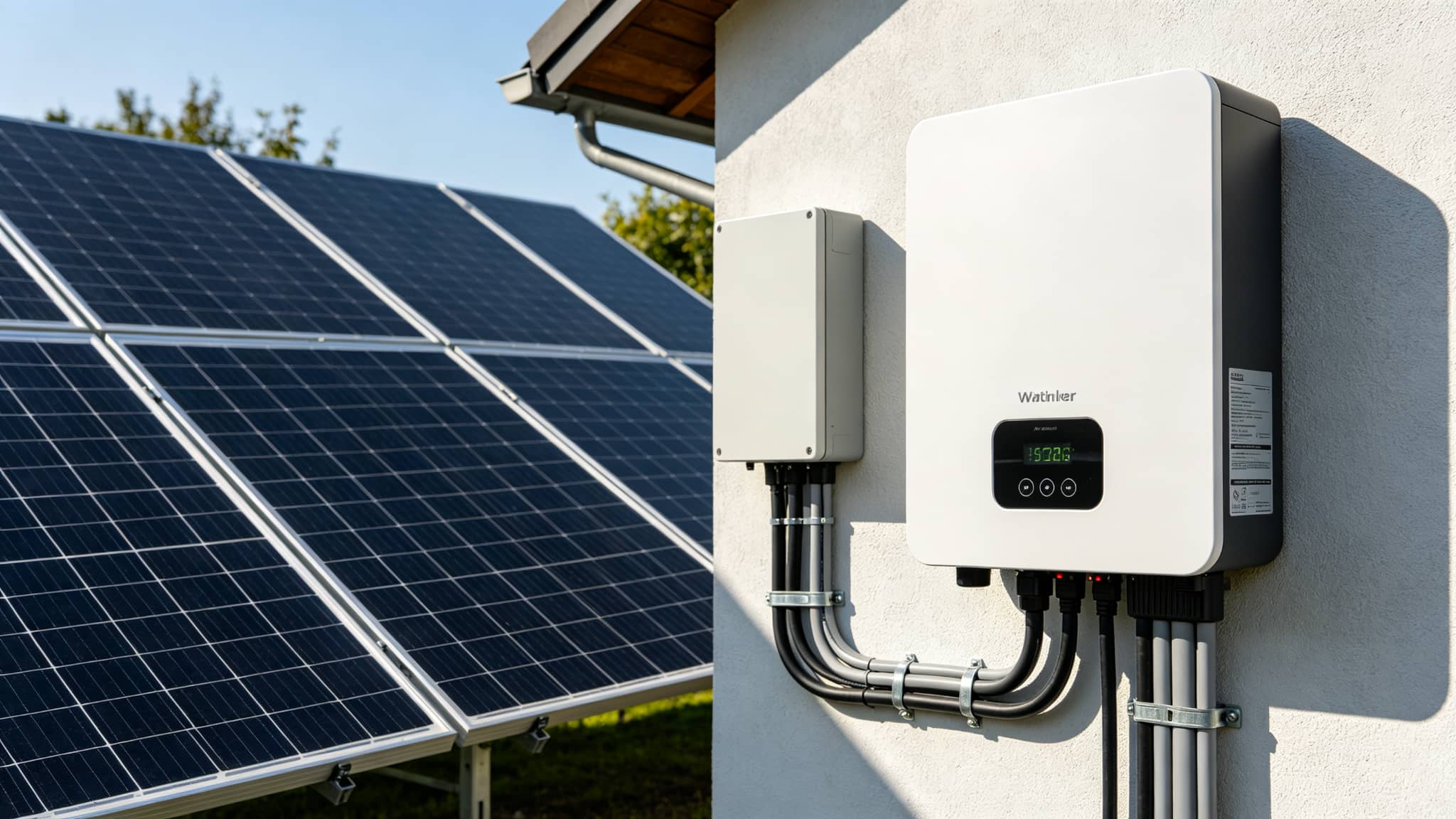
With your target kilowatts in hand, selecting the actual hardware becomes straightforward. Most residential panels today produce between 350 and 450 watts each. Divide your target array size by the wattage of your chosen panel to get the number of panels needed. For example, a 6 kW target with 400W panels means 15 panels. Round up slightly to account for future usage growth. On the inverter side, size it to handle 90 to 100 percent of your array’s total wattage. A 6 kW array pairs well with a 5 to 6 kW inverter. Products like the Domestic Inverter and Solar Board offer flexible sizing options for residential setups. If you are building a mobile or off-grid setup, our commissioning guide covers additional sizing considerations for portable arrays. Always leave room for one or two extra panels in case your usage increases after installation.
Common Solar System Sizing Mistakes to Avoid
Even with the math right, a few common mistakes can derail your solar system sizing. The first is ignoring future energy needs. A system sized for today may be obsolete in three years if you add an EV or heat pump. The second is trusting online calculators that use generic sunlight data. Your actual roof orientation and shading may differ significantly from those estimates. The third is oversizing the inverter, which wastes money and can actually reduce efficiency in low-light conditions. Finally, do not forget to account for your utility company’s net metering policy. If excess generation is credited at a lower rate, you want to size closer to actual usage rather than overproducing.
Sizing your solar system correctly is the single most important decision
Sizing your solar system correctly is the single most important decision in your solar journey. Get it right, and you lock in decades of predictable, low-cost energy that matches your lifestyle. Get it wrong, and you either keep paying the utility company. Or you watch your investment take years longer to pay back. The three-step process works for every home, from a small cabin to a large suburban house. Calculate usage, account for sunlight and losses, and match your hardware accordingly. Take the time to run the numbers with your actual bills and your actual roof conditions. A properly sized solar power system is not the biggest one available; it is the one that fits your life.