
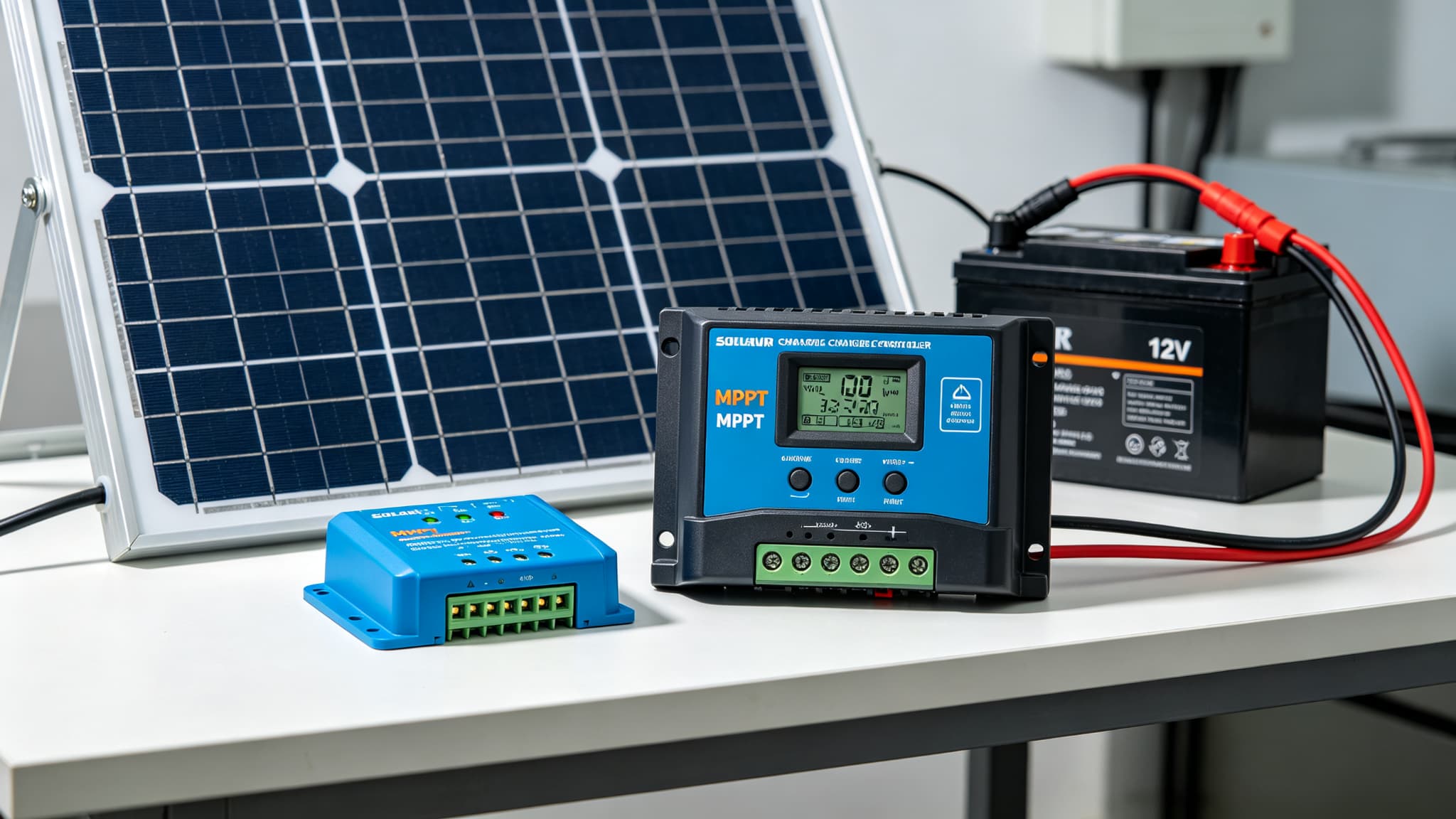
Choosing between an MPPT and PWM solar charge controller is the first decision that affects your solar system’s overall performance. The wrong choice either wastes 20 to 30 percent of your panel output or makes you overspend on features you will never use. Both controllers regulate power from the solar panel to the battery, but they do it in fundamentally different ways.
- MPPT controllers track the optimal voltage point and convert excess voltage into extra current.
- PWM controllers connect the panel directly to the battery in rapid pulses.
The right answer depends on your system size, voltage mismatch, climate, and budget.
MPPT vs PWM Solar Charge Controller Core Differences
Both MPPT and PWM controllers sit between the solar array and the battery bank. They share the same job: prevent overcharging and protect battery health. The difference lies in how they handle the voltage gap between the panel and the battery. A typical 12V solar panel produces 18 to 22 volts under load, while a 12V battery charges at around 13 to 14 volts. A PWM charge controller discards that extra voltage as heat. An MPPT controller converts it into additional charging current. This single distinction explains the efficiency gap, the price gap, and the use case split between the two technologies.
How PWM Solar Charge Controller Regulate Solar Power
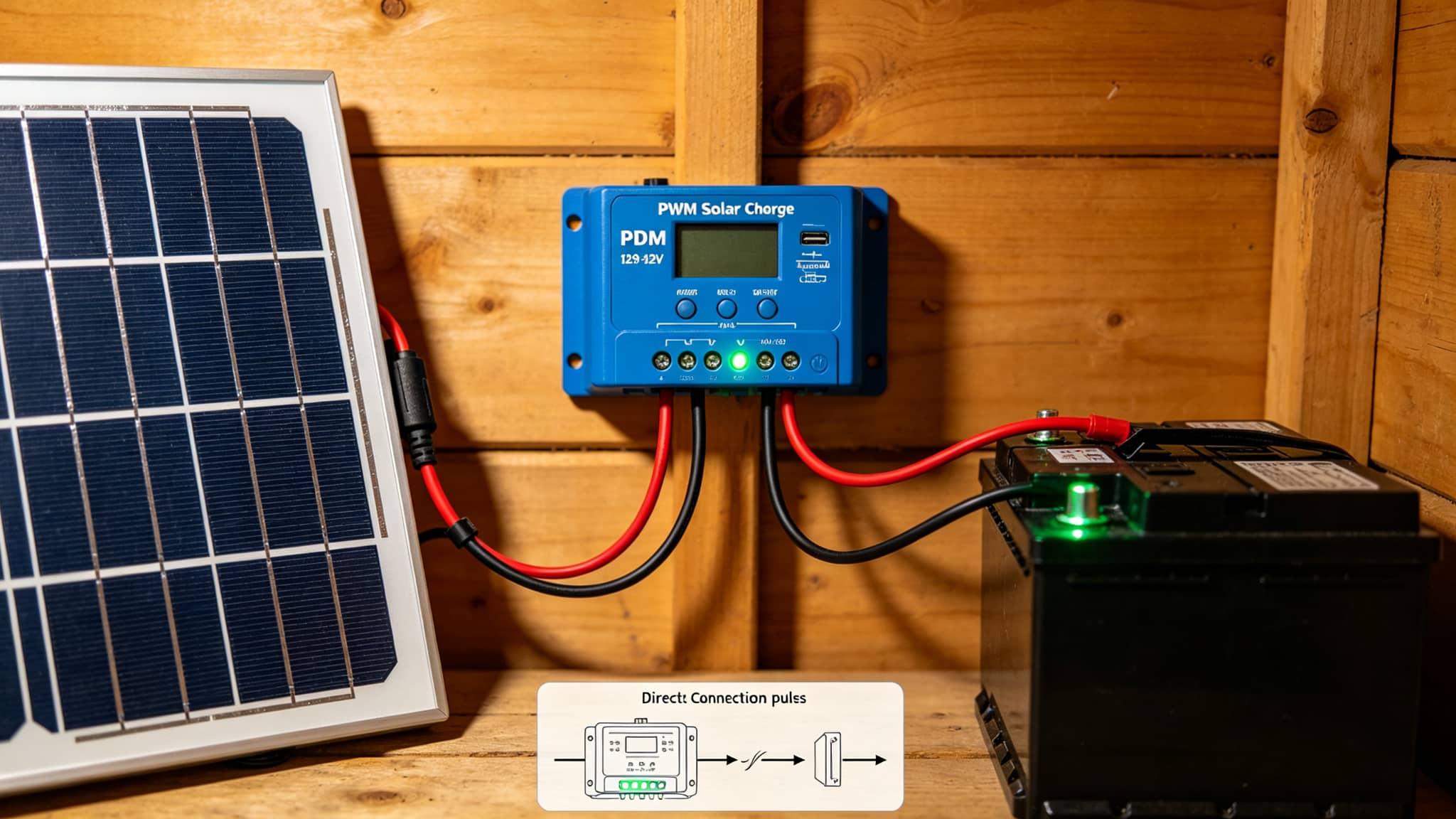
PWM stands for Pulse Width Modulation. A PWM solar charge controller acts like a rapid on-off switch connecting the panel directly to the battery. It pulses the connection thousands of times per second to maintain the correct charging voltage. When the battery is low, the connection stays on longer. When the battery nears full, the pulses shorten. This design is simple, reliable, and inexpensive. However, it forces the panel voltage down to match the battery voltage. An 18V panel charging a 12V battery loses the extra 5 to 6 volts as heat. PWM controllers typically achieve 70 to 80 percent charging efficiency.
How MPPT Solar Charge Controller Maximizes Solar Harvest
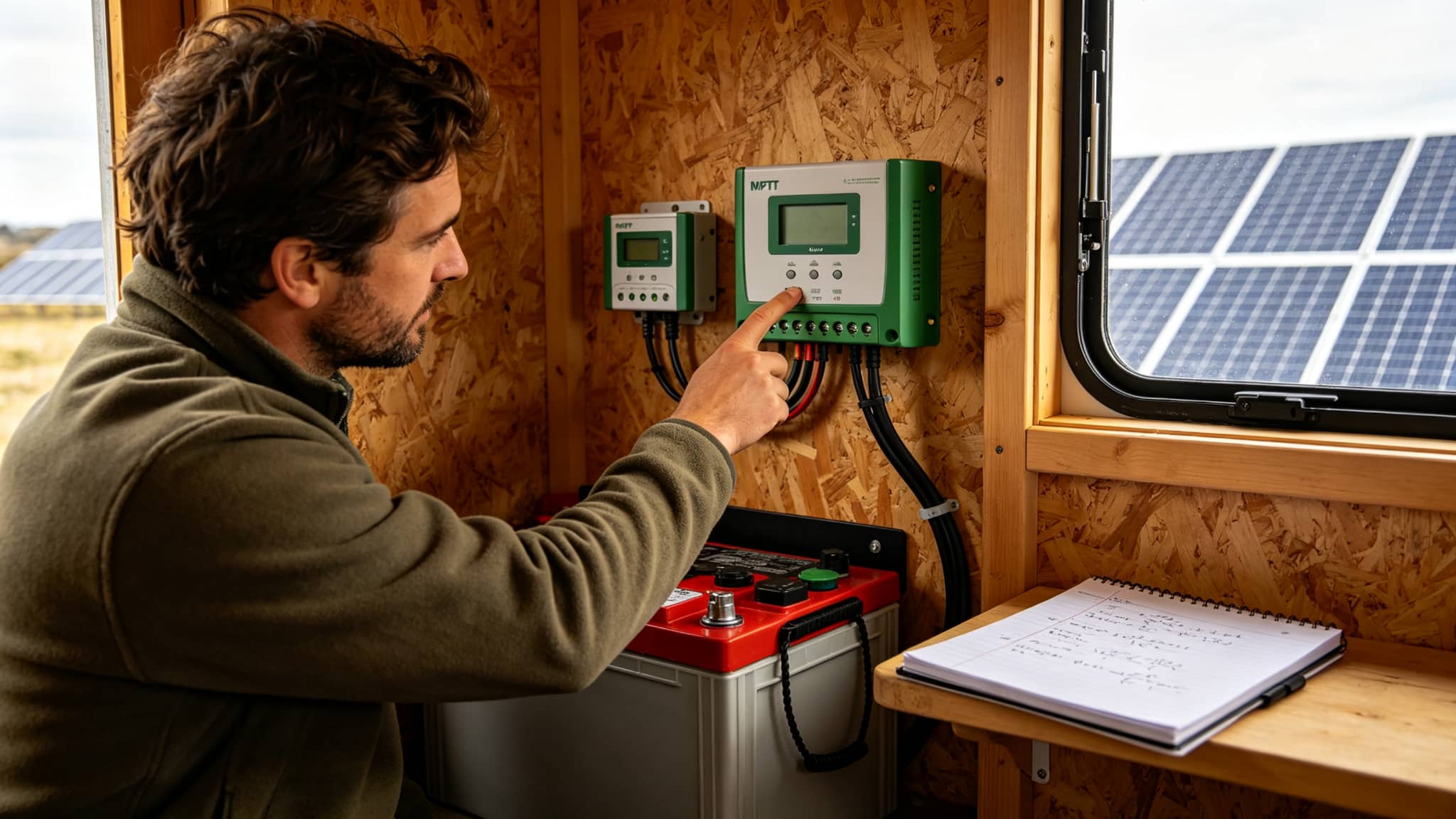
MPPT stands for Maximum Power Point Tracking. An MPPT solar panel regulator contains a DC-to-DC converter and a microprocessor that continuously scans the panel output. It finds the voltage and current combination that produces the most power, known as the maximum power point. Instead of dragging the panel down to battery voltage, it converts the excess voltage into additional current. That same 18V panel charging a 12V battery does not waste the extra volts. The MPPT controller turns them into more charging amps. MPPT controllers achieve 94 to 98 percent efficiency, especially in cold weather and low-light conditions. 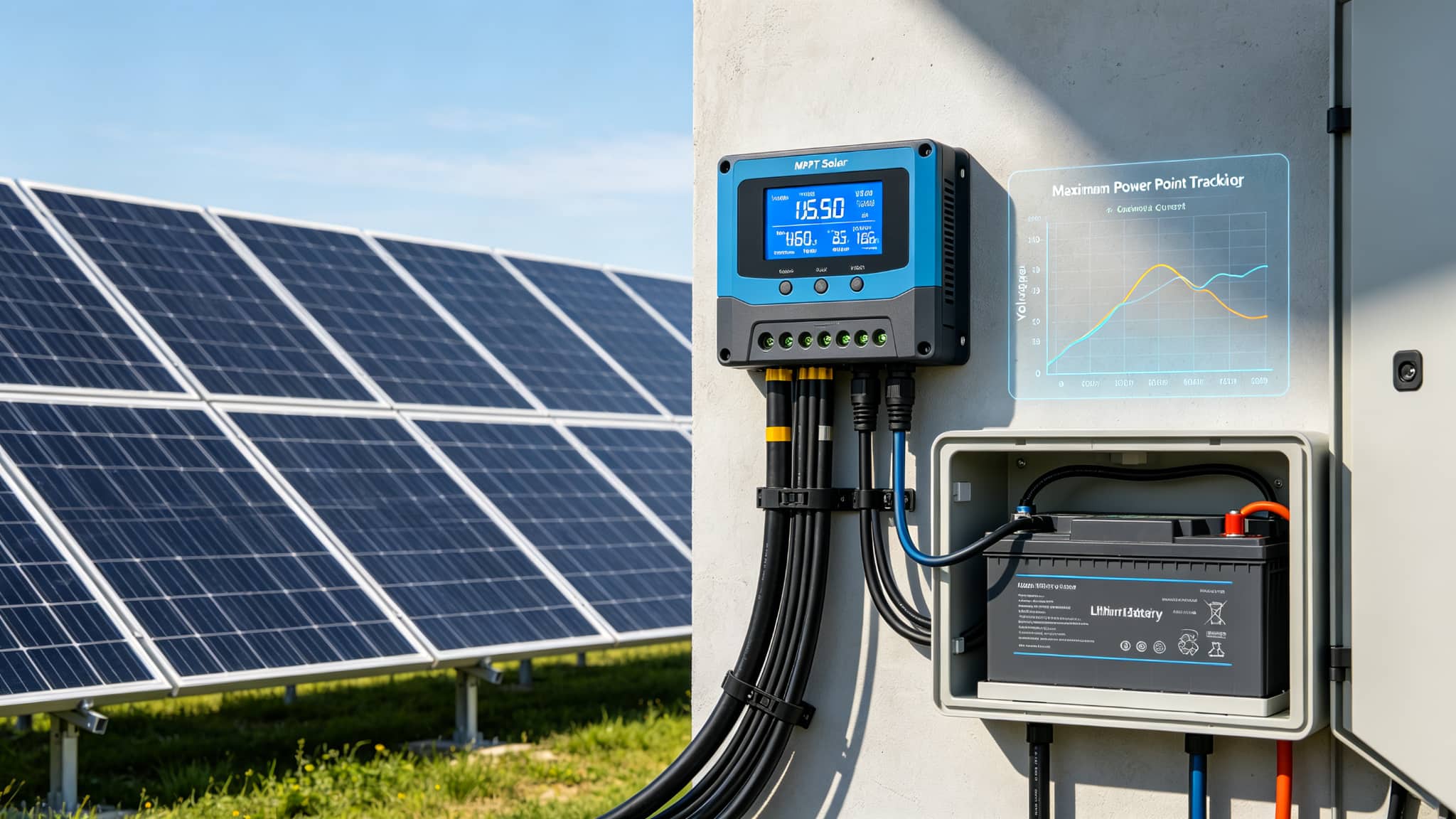
Side-by-Side Feature Comparison
|
Feature
|
PWM Controller
|
MPPT Controller
|
|---|---|---|
|
Charging Efficiency
|
70 to 80 percent
|
94 to 98 percent
|
|
Typical Price Range
|
$20 to $60
|
$80 to $300+
|
|
Voltage Handling
|
Direct match only
|
Wide input range
|
|
Excess Panel Voltage
|
Wasted as heat
|
Converted to current
|
|
Best Array Size
|
Under 200W
|
200W and above
|
|
Cold Weather Gain
|
None
|
Significant
|
|
Internal Complexity
|
Simple switch
|
DC-DC converter and processor
|
|
Best Application
|
Small 12V portable kits
|
Cabins, homes, larger arrays
|
Pros, Cons, and Best Use Cases for Each Type
Understanding the strengths and weaknesses of each solar charge controller type makes the final decision much clearer.
- PWM units win on simplicity and upfront cost for small systems.
- MPPT units win on energy recovery and flexibility for larger arrays.
PWM Pros, Cons, and Best Applications
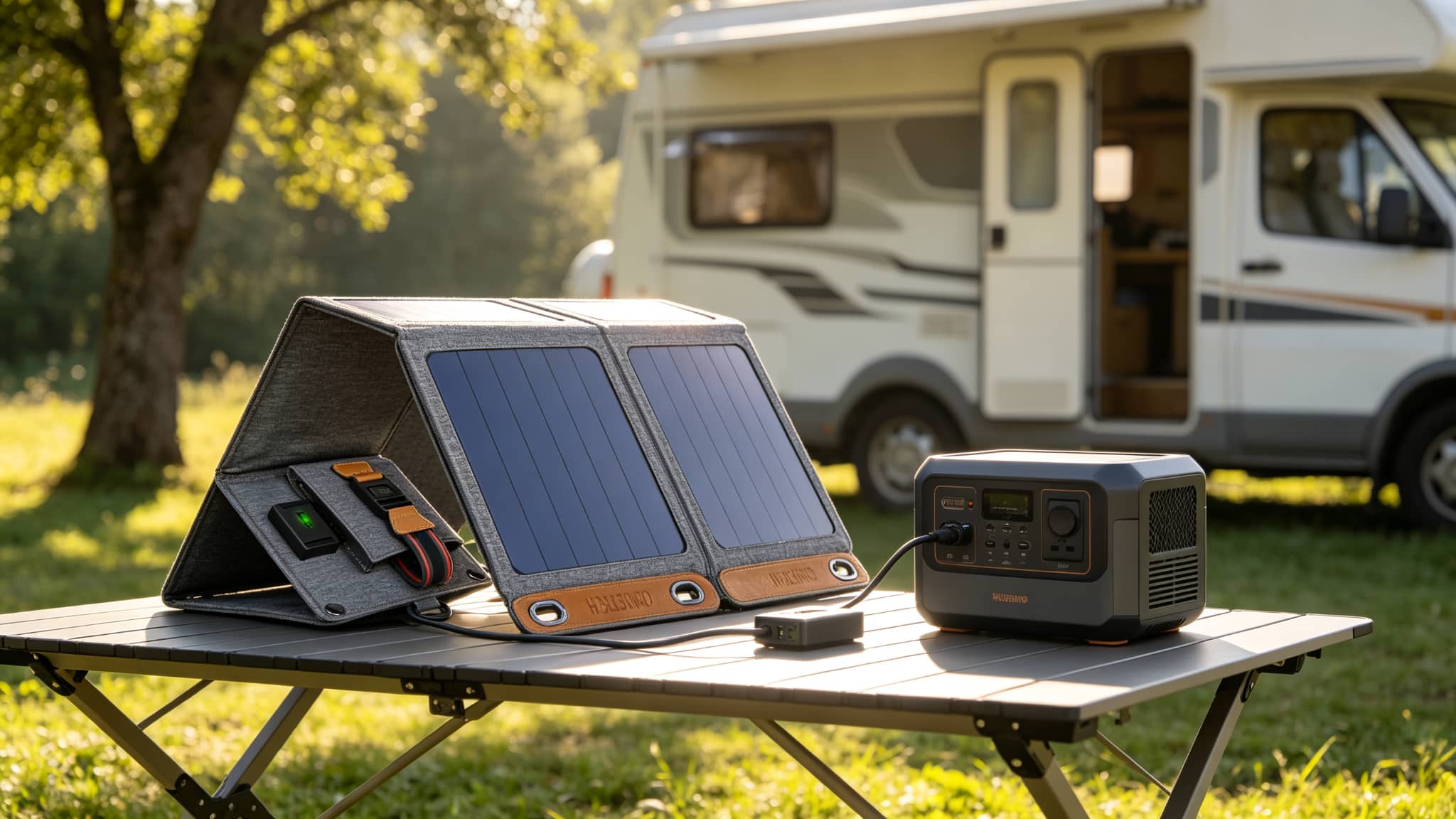
PWM controllers are cheap, durable, and easy to wire. They have fewer components, so they have fewer failure points. A basic PWM battery charge controller costs between 20 and 60 dollars and works well for small 12V systems. The main downside is the efficiency loss. They only work well when the panel nominal voltage matches the battery voltage. A 12V panel with a 12V battery is the ideal pairing. PWM controllers are best suited for small RV kits, garden sheds, chicken coops, and portable setups under 200 watts. If you pair a portable Solar Charge with a small 12V battery for weekend camping, a PWM controller is perfectly adequate and saves money.
MPPT Pros, Cons and Best Applications
MPPT controllers recover the energy that PWM units waste. They accept a wider voltage input range, allowing you to wire higher-voltage panels in series. This reduces cable thickness and voltage drop over long wire runs. They perform better in cold weather because panel voltage rises as temperature drops, and MPPT captures that bonus. The downsides are higher cost and more complex internals. An MPPT solar charge controller typically costs $ 80 to $ 300 or more. It is the right choice for off-grid cabins, remote homes, boats, and systems above 200 watts. The NREL PVWatts calculator helps estimate how much extra energy an MPPT controller can capture based on your location and weather.
How to Match Your Controller to Your Solar System
Start by checking your panel and battery voltage. If both are 12V and the array is under 200 watts, a PWM controller gives you reliable performance at the lowest cost. If your panel voltage is higher than your battery voltage, or the array exceeds 200 watts, choose MPPT. The extra energy recovered typically pays back the price difference within two to three years. Pair the controller with a compatible battery and properly sized cables. The Solar Board works with either controller type in small portable setups, while larger off-grid systems benefit from MPPT and a microinverter for AC output. Before powering on, verify every connection using the commissioning and testing steps for mobile and cabin systems. Match the solar regulator to your real load, not the biggest panel on the shelf, and the system will deliver reliable power for years.
Make the Right Choice for a Solar Charge Controller
The choice between MPPT and PWM comes down to system size, voltage, and budget. PWM controllers keep small 12V kits simple and affordable. MPPT controllers capture up to 20 percent more energy and pay back on larger arrays. No matter which type you choose, match the solar charge controller to your panel voltage and battery chemistry. This ensures safe, efficient charging day after day. Take the time to calculate your daily load, measure your panel voltage, and size the controller correctly. A well-matched solar panel regulator runs quietly for years and protects the battery bank you depend on. When in doubt, choose MPPT for anything above 200 watts and PWM for compact portable setups.