
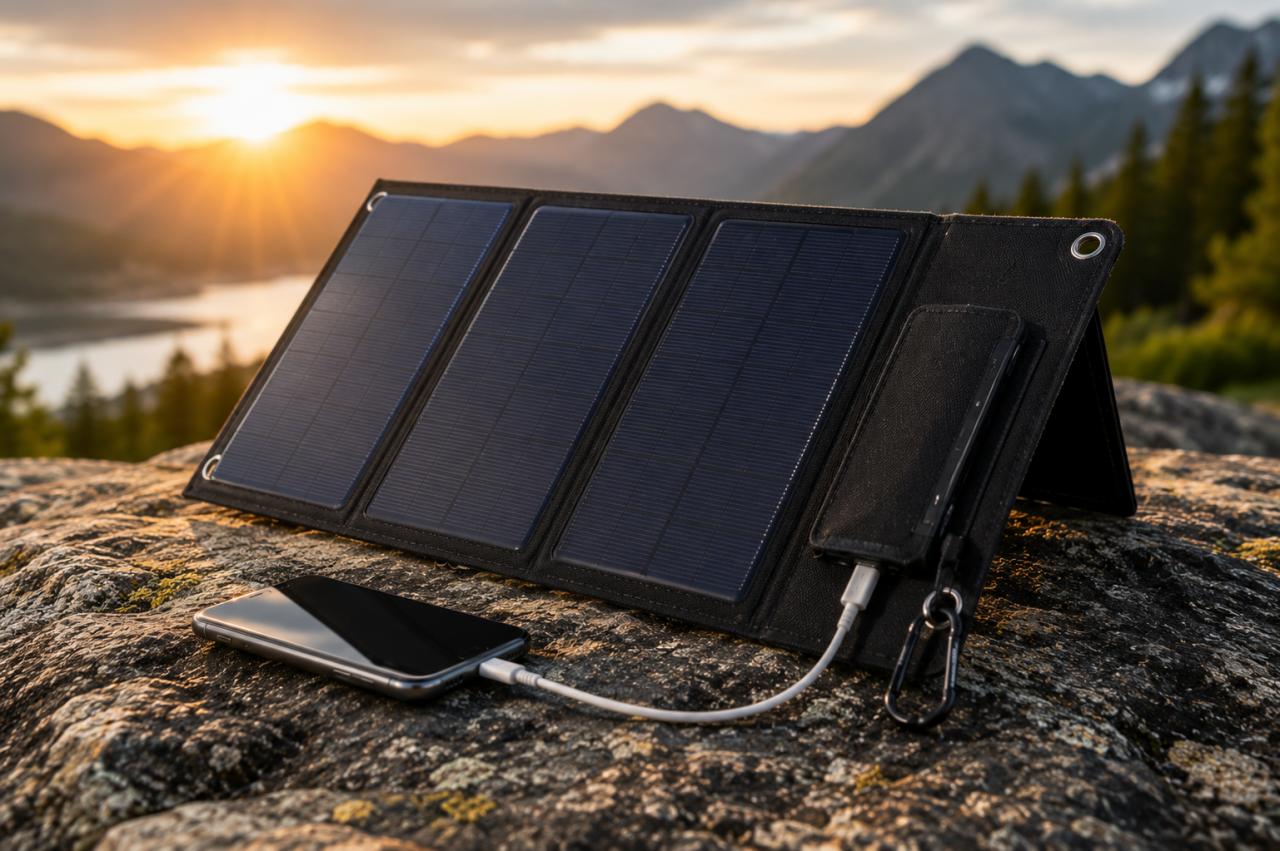
A power outage can shut down refrigerators, routers, medical equipment, water pumps, lighting, security systems, and office devices simultaneously. Each device has a different power demand, startup surge, and required operating time. A practical backup plan starts with the equipment that must remain available during an outage. Battery capacity alone cannot show whether a system can start a pump, support refrigeration overnight, or recover enough energy from solar panels the following day. Homes, workshops, cabins, and small commercial sites should compare load demand, usable battery capacity, inverter output, charging sources, installation conditions, and future expansion before choosing a Solar Solution.
Why Solar Backup Power Starts With a Load List
Every solar backup power plan should begin with a written list of electrical loads. Separate essential equipment from optional devices, then record the wattage and expected operating time for each item. Essential loads may include refrigerators, communication equipment, selected lighting, security devices, medical equipment, pumps, and office hardware. Air conditioners, electric heaters, kettles, dryers, and large cooking appliances consume much more energy and can quickly increase the required battery and inverter sizes.
Buyers also need to distinguish between continuous demand and a startup surge. A refrigerator may use moderate power while running, but draws more power when its compressor starts. Pumps and motor-driven equipment can create the same issue. The inverter must support the normal load and the short startup peak. Standby loads also add up over several hours. Routers, cameras, chargers, control panels, and smart home hubs may continue drawing power throughout the outage. Include them in the calculation instead of treating them as insignificant.
Size Solar Backup Power From Usable Battery Energy
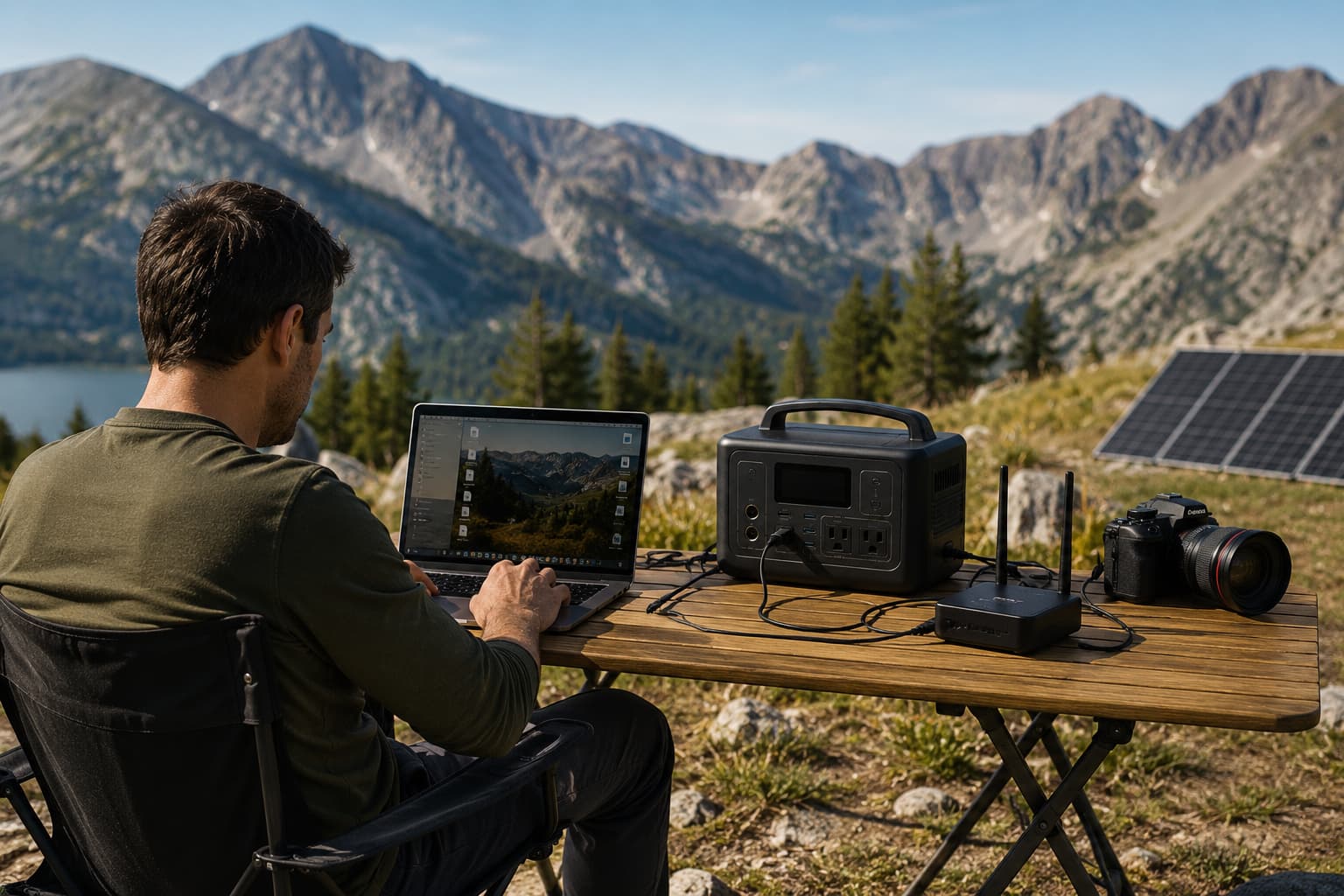
Battery capacity is usually listed in watt-hours or kilowatt-hours. The published figure shows stored energy;e actual AC output also depends on inverter efficiency, temperature, cable losses, discharge limits, and the reserve maintained by the system. A basic runtime estimate divides usable battery energy by the average load. A system with 2,000 Wh of usable energy could theoretically support a 400W load for about 5 hours. Actual runtime may be lower after inverter loss and system consumption are included.
Calculate several operating scenarios before selecting solar backup power. One scenario may cover lights, phones, and a router. Another may add refrigeration and security equipment. A third may include a pump or office workstation for a limited period. Check whether the product specification shows nominal capacity or usable capacity. Buyers should also confirm the depth of discharge, cycle-life conditions, warranty terms, and reserve settings. These details provide a more realistic estimate than the battery size shown in the product name.
Match Solar Backup Power With the Charging Method
A battery charged from the grid may handle short outages, but longer interruptions need a reliable way to restore energy. Solar panels, grid charging, vehicle charging, and generators may all form part of the charging plan. Panel wattage should match expected daily energy use and the maximum solar input accepted by the power station, hybrid inverter, or charge controller. Weather, shading, panel angle, installation direction, and season can reduce actual production below the panel’s rated output. A site using 3kWh per day needs enough panel capacity and daylight to replace that energy. A small array may extend the runtime without fully recharging the battery. Compare actual daily production with expected consumption rather than relying solely on peak panel wattage.
A compact Solar Charger may support phones, cameras, tablets, and other small devices during outdoor use or short outages. Refrigerators, pumps, and household circuits usually need a larger charging system with clearly defined voltage, current, and input limits. A generator can support battery charging during poor weather, but the plan should account for charging current, fuel storage, ventilation, operating noise, and connection method.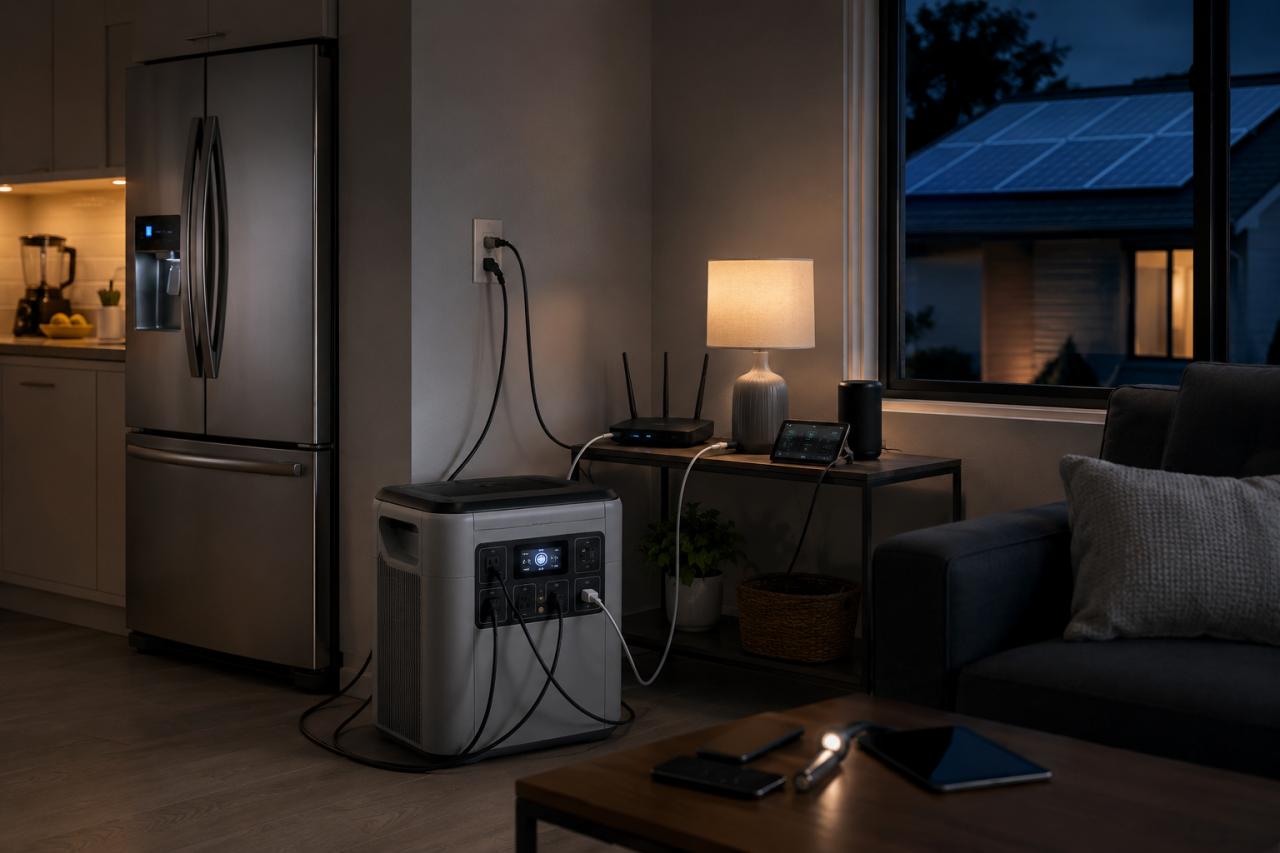
Choose Between Portable and Fixed Backup Systems
A portable power station works well when the backup target covers a limited number of devices. Renters, mobile workers, small offices, cabins, and homeowners can move the unit between locations and connect selected equipment directly. Compare AC output, surge rating, battery chemistry, usable capacity, solar input, recharge time, outlet count, product weight, handle design, and expansion options. A large battery may still fail to start a refrigerator or pump if the inverter cannot handle the startup surge.
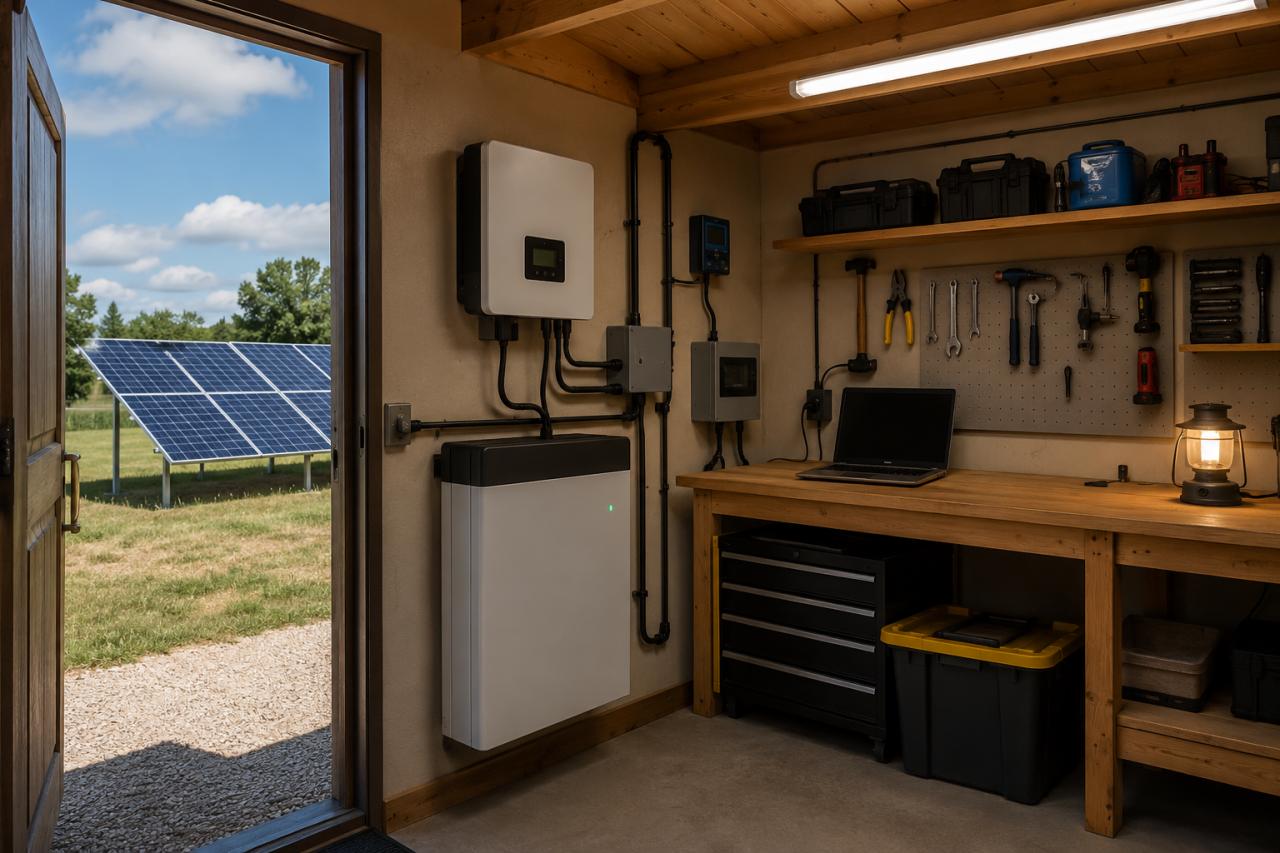
Buyers who need a packaged high-output unit can review the HomePower 3600 Plus and compare its output, storage capacity, charging methods, outlet configuration, and expansion options with the planned load. A fixed backup solar system can supply selected home or business circuits through a hybrid inverter, battery bank, backup panel, and transfer equipment. This setup creates a more structured power path and can support higher loads, but it requires system planning and qualified installation.
Plan Transfer and Electrical Safety Before Installation
A backup device should never feed home wiring through an improvised connection. Unsafe backfeeding can energize utility lines, damage connected equipment, and expose installers, occupants, or utility workers to electrical hazards. A transfer switch or another approved isolation method separates the backup source from the utility supply. The installer should also confirm cable size, grounding, circuit protection, disconnects, equipment ratings, and local electrical requirements.
Battery placement affects performance and system life. Keep equipment within the permitted temperature range and away from water, blocked vents, direct heat, and combustible materials. Fixed systems also need suitable wall clearance, cable routing, service access, emergency shutdown arrangements, and routine electrical safety checks around the connected circuits. Qualified electrical personnel should handle any connection to a building’s wiring. Portable units used on their own outlets still require proper loading, dry placement, stable cables, and adequate ventilation.
Avoid Common Solar Backup Power Buying Mistakes
One common mistake is choosing solar backup power based solely on battery capacity. Inverter output, surge rating, usable energy, charging speed, battery chemistry, cycle life, and warranty coverage all affect system performance during an outage. Another mistake is overlooking solar recovery. A battery may support one night and remain partially discharged the following day if the panels cannot replace the energy consumed. Compare the daily load with realistic solar production under local weather conditions.
Some buyers try to support every appliance. Heating, cooling, and cooking equipment can quickly increase battery and inverter costs. Protecting core loads through a smaller backup circuit often provides longer runtime and a more manageable system size. Poor expansion planning can also create problems. Check whether the battery, inverter, and charging equipment support future upgrades. Expansion batteries may require matching models, communication ports, compatible firmware, or specific installation conditions.
Buyers should also review technical documentation, replacement options, spare parts, delivery time, warranty service, and after-sales support. A lower purchase price can create additional costs when the system lacks compatible equipment or installation guidance.
Which Solar Backup Power System Should You Order?
Order a system that supports the essential load, covers the expected outage period, handles startup surge, and restores energy at a realistic charging rate. A small portable power station may cover phones, routers, lights, laptops, and selected low-power devices. A higher-output unit may support refrigeration, small pumps, tools, or several devices at once. A fixed battery and hybrid inverter system may serve selected home or business circuits through approved transfer equipment.
Before ordering, confirm the continuous load, peak surge, required runtime, usable battery capacity, inverter output, solar charging limits, grid charging limits, battery chemistry, installation location, transfer method, expansion options, warranty, and technical support. Buyers can compare available products through the Solar Shop after defining these requirements.
The selected solar backup power system should keep the required equipment running without unnecessary oversizing. It should match the building’s electrical conditions, restore enough energy between outages, and provide a clear path for safe installation, maintenance, and future expansion.