
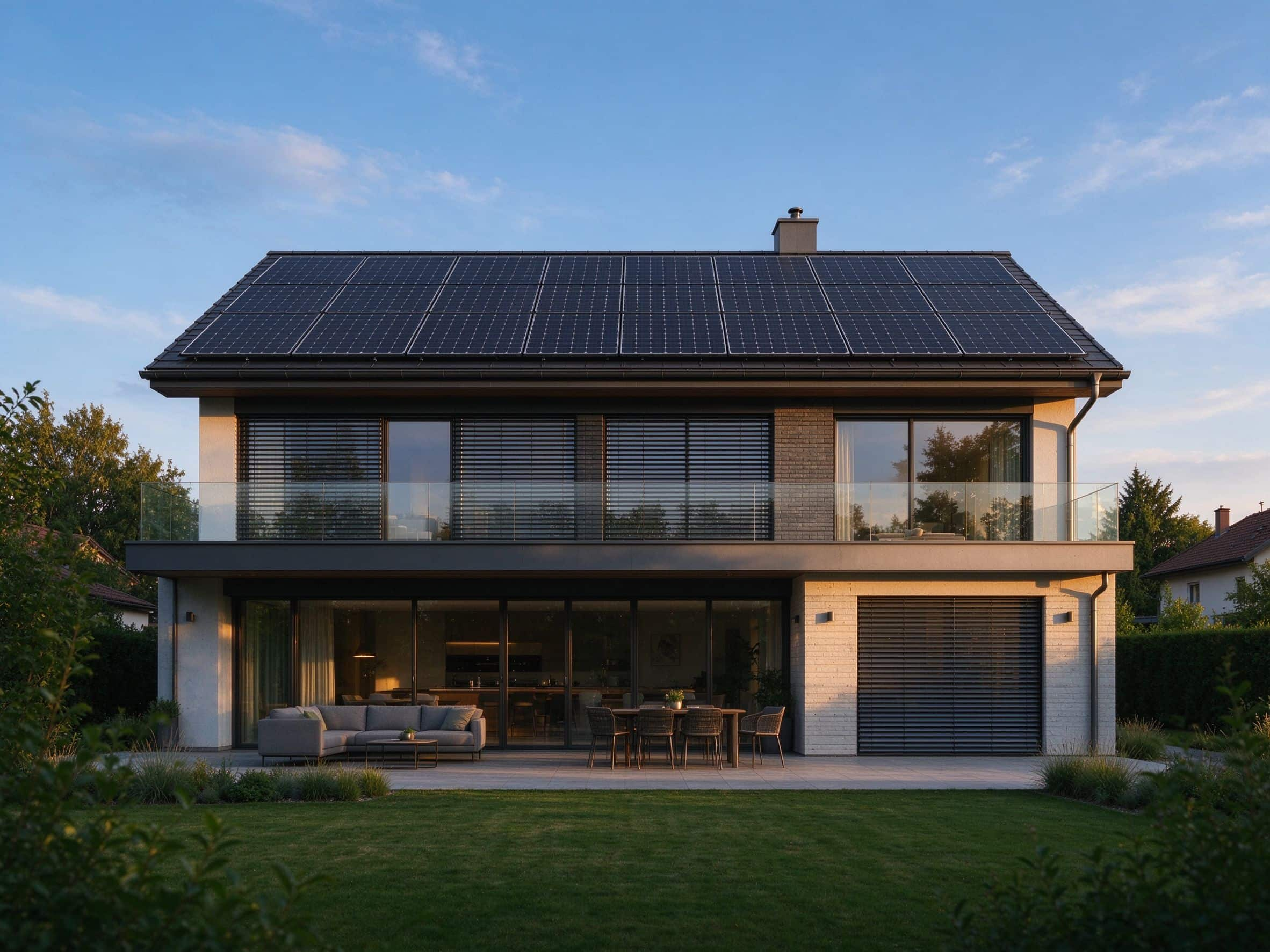
Monocrystalline Solar Power Panels are photovoltaic modules built from single-crystal silicon cells. You see them on residential rooftops, commercial warehouses, off-grid cabins, RVs, and utility-scale solar farms. The same basic cell technology scales from a 200 W RV kit to a 400 MW ground-mounted plant. But the right application depends on roof area, daily energy demand, local sunlight, and whether the system ties to the grid. Where mono panels are commonly deployed, why installers keep choosing them, and what to compare before you buy.
Where Are Monocrystalline Solar Power Panels Commonly Used?
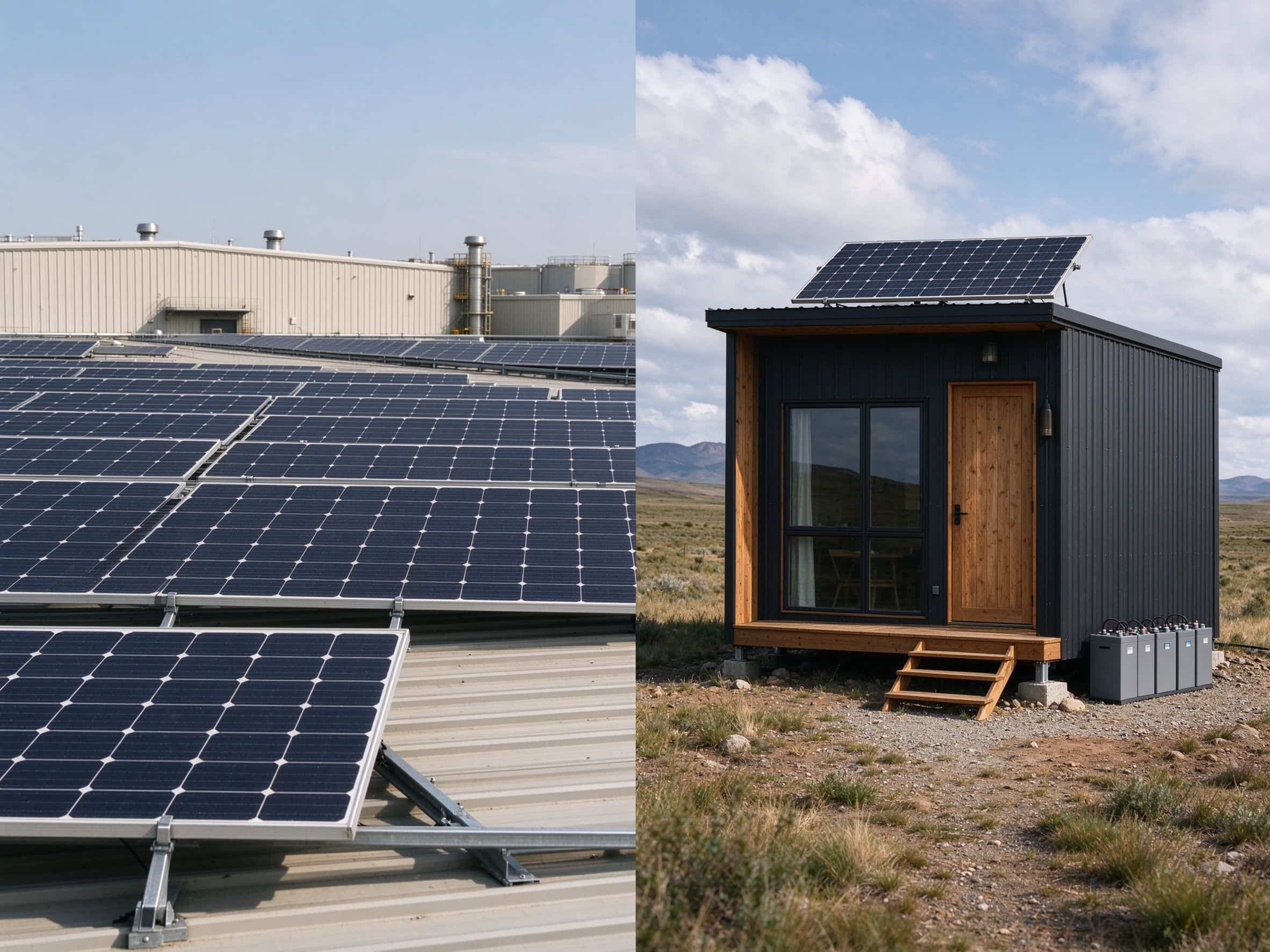
Mono panels show up almost everywhere electricity is generated from sunlight. Five use cases cover most installations. Homeowners use them on rooftops because space is tight. Commercial and industrial buildings use them to meet large daytime loads. Off-grid and remote sites pair them with batteries where the grid doesn’t reach. RVs and mobile builds pack them onto small curved roofs. Utility-scale farms deploy them by the thousand across open land. Each use case prioritizes something different: density, daytime matching, storage independence, weight, or land utilization.
Monocrystalline Solar Power Panels for Residential Energy Systems
Home rooftops are the most common installation. A typical single-family roof in the U.S. fits a 5- to 8-kW array, enough to offset most household loads. Rooftop area is usually limited, so monocrystalline cells’ higher power density means fewer panels can do the same job. Many homeowners pair the array with a battery for backup power during outages. The U.S. Department of Energy solar electric systems guide notes that grid-tied home systems remain the fastest-growing segment of residential solar.
Monocrystalline Solar Panels for Commercial and Industrial Buildings
Office roofs, warehouses, factories, retail stores, and agricultural buildings carry large flat surfaces and steady daytime loads. A warehouse loading dock running refrigeration and ventilation during business hours matches midday solar production well. Commercial arrays often run 100 kW to several MW and use high-wattage mono modules to cut racking and labor per installed watt.
Monocrystalline Solar Power Panels for Off-Grid and Remote Power
Remote cabins, rural water pumps, cellular sites, and monitoring equipment often have no nearby utility feed. A standalone system pairs mono panels with a charge controller, a battery bank, and an inverter. The higher efficiency matters here because mounting space is limited and every watt counts.
Monocrystalline Solar Panels for RVs and Mobile Applications
RV, camper van, and boat owners choose flexible or rigid mono panels for the same reason: limited roof area. A van roof might fit 400 to 600 W of panels while running a fridge, lights, and a laptop. In mobile builds, weight, vibration tolerance, and performance in partial shade matter as much as peak efficiency.
Why Do These Applications Use Single-Crystal Silicon Modules?
The technology earns its place through practical advantages, not marketing claims. Four reasons explain why installers keep reaching for single-crystal silicon. First, it packs more watts into limited roof or ground space. Second, the same cell technology scales cleanly from a 200 W RV panel to a 450 W utility module. Third, the supply chain and warranty framework are mature and well understood. Fourth, output still depends on site conditions, not just on the cell label.
Efficient Use of Limited Installation Space
Modern monocrystalline PV panels reach 20 to 22 percent efficiency, with premium models pushing past 23 percent. That means more watts per square meter than older polycrystalline alternatives. On a small roof or a cramped RV, that extra density means more kilowatt-hours from the same footprint. The National Renewable Energy Laboratory tracks PV efficiency as a key driver of residential system design.
Suitable for Different System Sizes
The same silicon cell technology scales cleanly. A 300 W module on a cabin roof uses the same manufacturing process as a 450 W module in a utility farm. Installers know how to wire, mount, and ground mono systems at any scale, reducing the learning curve and service costs.
Established Silicon PV Technology
Single-crystal silicon has been in commercial production since the 1960s. Manufacturing is mature, supply chains are global, and warranty terms are standardized at 25 to 30 years for output. Installers stock spare parts. Module formats and power ratings cover every common need.
Performance Depends on More Than Cell Type
A mono panel doesn’t produce nameplate wattage everywhere. Real output depends on sunlight angle, temperature, shading, tilt, inverter clipping, and installation quality. Hot roofs lose about 0.4% of output for each degree above 25°C. Partial shade on one string can drag down the whole array. Choosing mono is only the first decision.
How Do You Choose a Mono PV Panel for Different Uses?
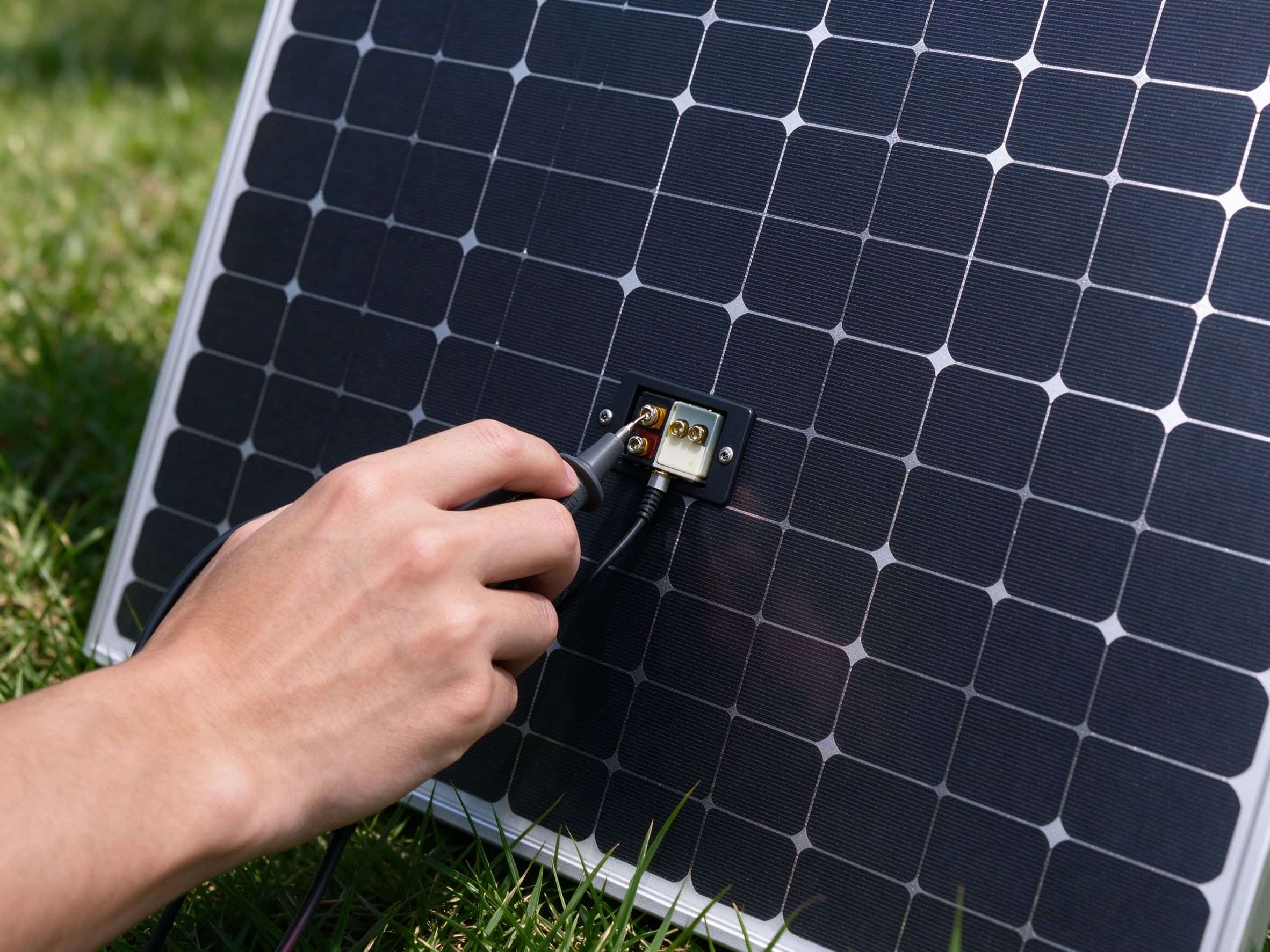
Match the module to the job. Residential rooftops, commercial and agricultural loads, off-grid and mobile builds, and large ground-mounted projects each pull the buying decision in a different direction. A panel that wins on a small urban roof can lose on a farm, and a cheap utility module can disappoint an RV owner. The checklist at the end ties the choice back to rated power, efficiency, dimensions, temperature coefficient, warranty, and system compatibility.
Residential and Small Rooftop Systems
Measure the roof. Note orientation, tilt, chimney, vent pipe, and tree shading. Estimate annual electricity use from utility bills. If roof area is tight, pay for higher wattage modules. If you plan to add a battery later, leave space and DC budget for expansion.
Commercial and Agricultural Applications
Do not size a farm array off acreage. Size it off actual loads: irrigation pumps, refrigeration, ventilation, and office power. A dairy with milking machines running from 4 a.m. to 6 p.m. has a different production profile than a warehouse that sits dark on weekends. Match the array to the load curve, not the square footage.
Off-Grid and Mobile Applications
For RVs, cabins, and remote sensors, panel weight and mounting area matter as much as watts. Calculate the battery bank’s daily amp-hour needs, then size the array to recharge it on an average sunny day. Add a 25 percent margin for cloudy weeks.
What Should You Compare Before Selecting a Module?
|
Factor
|
Why it matters
|
|---|---|
|
Rated power (W)
|
Indicates the panel’s potential capacity.
|
|
Efficiency (%)
|
Determines output per square meter when space is limited.
|
|
Dimensions (mm)
|
Must fit roof, rack, or RV mounting constraints.
|
|
Temperature coefficient
|
Shows how much output drops in hot weather.
|
|
Warranty
|
Typically 25 to 30 years output; check labor coverage.
|
|
Installation environment
|
Coastal salt, heavy snow, hail, or wind drive module rating choices.
|
|
System compatibility
|
Must match inverter MPPT window, battery voltage, and mounting rails.
|
Which Monocrystalline Solar Power Panels Fit Your Project?
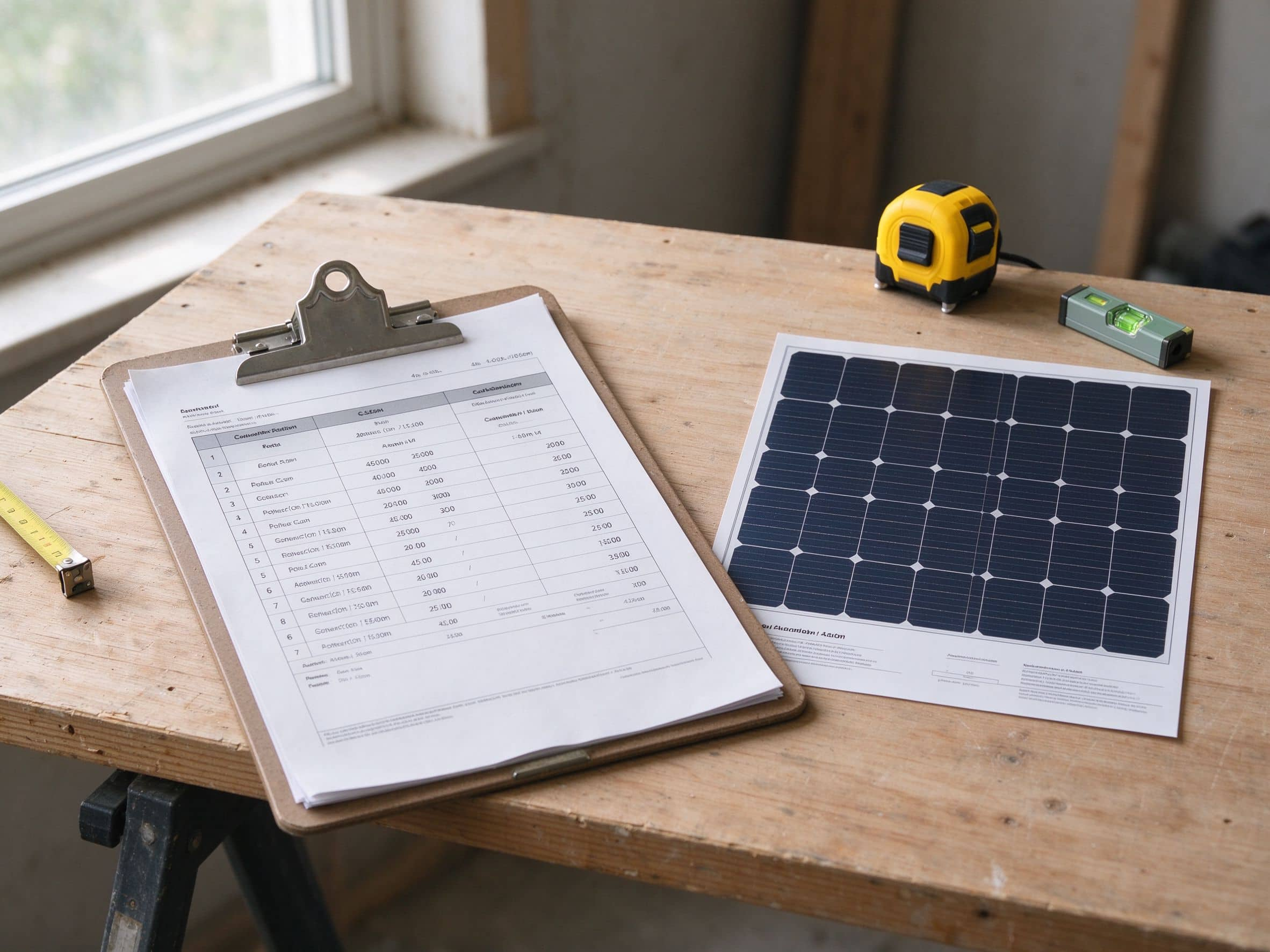
Monocrystalline Solar Power Panels are used on residential rooftops, commercial warehouses, agricultural buildings, off-grid cabins, RVs, and utility-scale solar farms. Their value comes from high power density, mature silicon manufacturing, and 25-year warranty support. But the right module still depends on available space, daily load, local sunlight, and total project economics. Compare rated power, efficiency, dimensions, and warranty before you sign a contract. If you already have a system, run a quarterly solar system inspection checklist to keep output near nameplate.